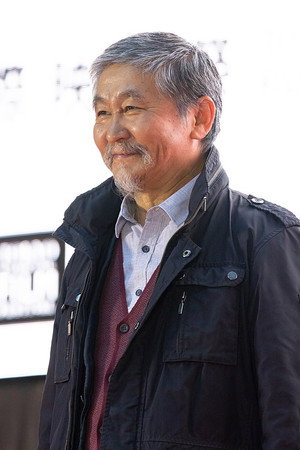
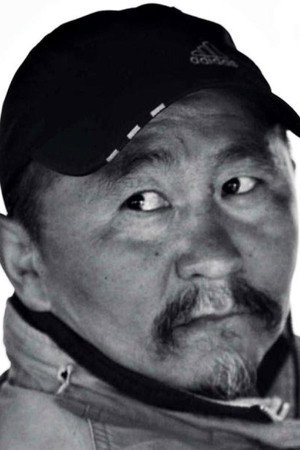
Aktan Arym Kubat Movies, TV Shows, and Filmography
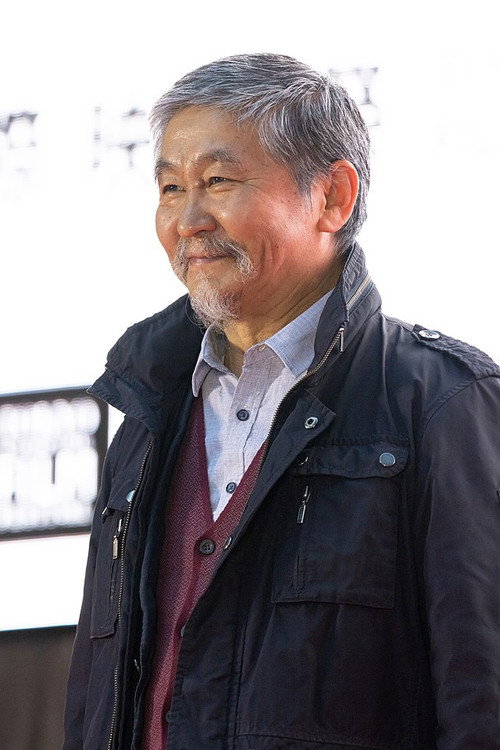
Aktan Arym Kubat
Directing
Biography
Aktan Arym Kubat (Kyrgyz: Актан Арым Кубат; born March 26, 1957, Sokuluk District, Kyrgyzstan), also known as Aktan Abdykalykov, is a Kyrgyzstani director, screenwriter and actor. Member of the National Film Academy of the Kyrgyzstan, acting Member of the European Film Academy, acting Member of Asia Pacific Screen Academy. In 2016, Aktan Arym Kubat was recognized as one of the best directors in Asia, and Beshkempir/The Adopted Son entered the top 100 Asian films of all time, released by the Busan International Film Festival, which conducted a survey among 73 prominent film professionals, film critics, festival executives, programmers and directors. Best known for the films Beshkempir/The Adopted Son (1998), Maimyl/The Chimp (2001), The Light Thief (2010), Centaur (2017). Aktan Arym Kubat has received many industry awards, including Silver Leopard at the Locarno Film Festival, Bronze Lion at the Cannes Lions International Festival of Creativity, the FIPRESCI Prizes from International Federation of Film Critics, he was a participant of Un Certain Regard and Lа Quinzaine des Realisateurs at the Cannes Film Festival, Panorama section at the Berlin International Film Festival and other festivals.
Filmography Movies
Acting
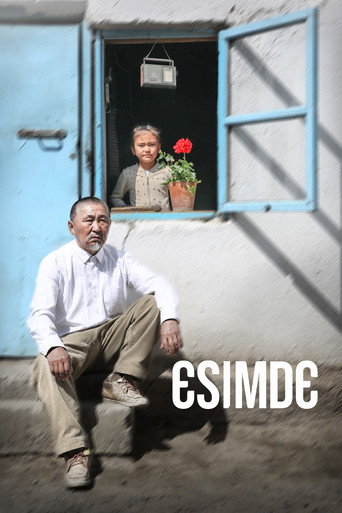
This Is What I Remember
An amnesiac old man Zarlyk who after twenty-three years of ordeal in a foreign land, returns to his homeland. Events take place in a village in Kyrgyzstan, where he is brought by his matured son Kubat. Much has changed during his absence: the morals of the villagers, mired in the realities of a changing world, radicalization of Islam, growing crime, and moral corrosive corruption began to consume... Zarlyk’s wife Umsunai, having lost hope of his return, went into religion, married the local authority Jaichy. The bright past invades the already accustomed Umsunai’s life. But nothing touches Zarlyk. An inexplicable passion for collecting garbage replaced him everything. Will the memory return to him and will Umsunai gain lost happiness when they are pressed by tight attitudes and immorality of the clergy, when love has eclipsed recklessness?
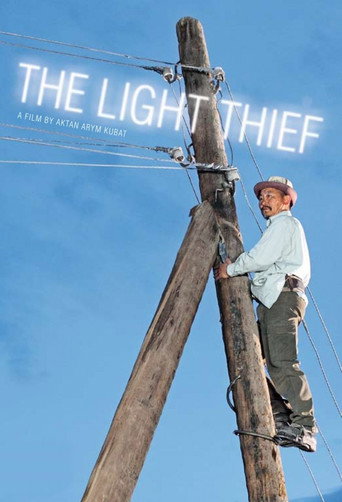
The Light Thief
The main hero of the film is an electrician with a far greater effect on the people around him than his job defines. He is the last link in a huge energetic system and he becomes the binding bridge between the geopolitical problems of post-soviet space and the common people. The economic devastation of the country had an enormous impact on the industrial workers and yet despite the upheaval, these people did not seize to love and suffer, to have and be friends and to enjoy their lives. In particular our resilient electrician, who possesses a wonderful and open heart. He not only brings electric light (which is often out) to the lives of the inhabitants of this small city, but he also spreads the light of love, loyalty, life and mainly laughter.
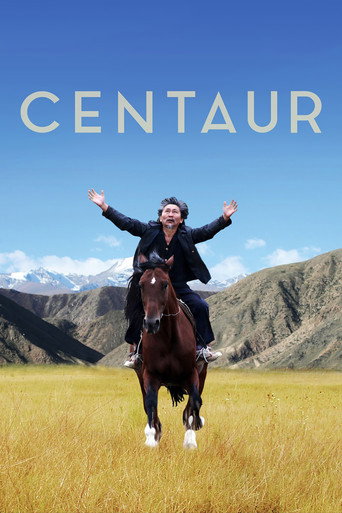
Centaur
Centaur lives a modest life with his family in rural Kyrgyzstan until he abruptly becomes the center of attention when he is caught stealing a racehorse at night. A story inspired by the myth when horses became the wings of men.
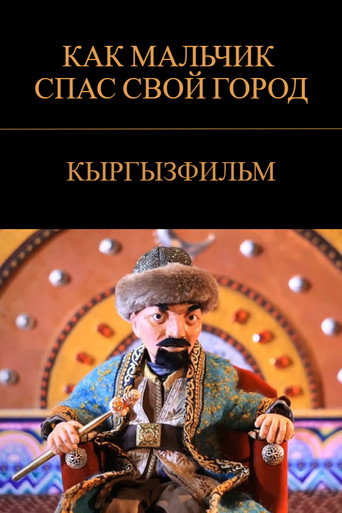
How a Boy Saved His City
As his city faces the threat of being conquered by an evil lord, a brave boy decides to take matters in his own hands.
Production
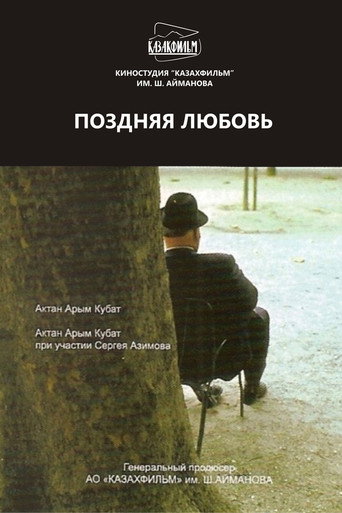
Late Love
In the center of the plot are three friends, three old men who swore in the name of the happiness of their friend Kaltay to marry him, no matter what. They do not suspect that soon they will have to get into the whirlpool of incredible, but fun adventures. Especially since love is the cause of everything.
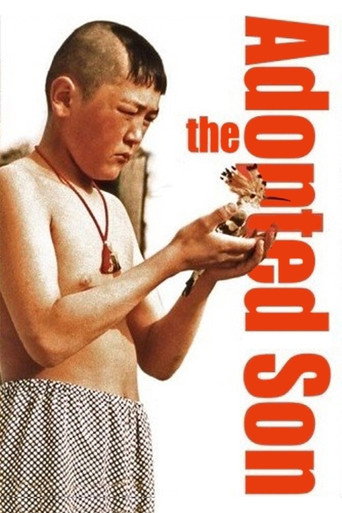
The Adopted Son
In a remote Kyrgyz village, Beshkempir, an infant foundling, is taken in by five older women and later adopted by a couple unable to bear children of their own. Fast forward to his early teenage years, a pubescent Beshkempir is faced with all the problems of crushing on girls and courtship, reconciling with friends and dealing with death in the family. Above all he questions his place in the world as an adoptee.

Kelin
A woman is led by her family to her new husband's home, to live with, presumably, his elderly mother and younger brother. Despite being forced into the marriage, she discovers that he is not such a bad catch after all but domestic bliss does not last long.
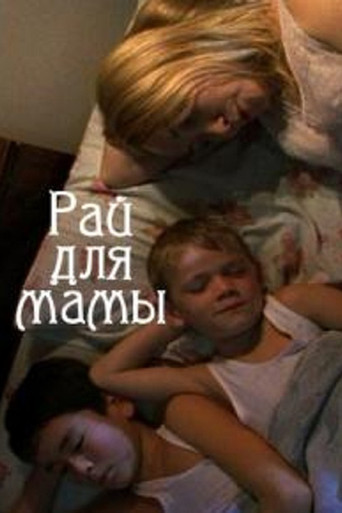
Mother's Paradise
Serikpai and Amir grow up without a father, who once went to work in Russia, but never returned. They are waiting for him and hoping. Waiting for her husband and wife Polina. She remembers the short happiness of her former life. She tries to resist the current life, but it is given to her at too high a price…
This Is What I Remember
An amnesiac old man Zarlyk who after twenty-three years of ordeal in a foreign land, returns to his homeland. Events take place in a village in Kyrgyzstan, where he is brought by his matured son Kubat. Much has changed during his absence: the morals of the villagers, mired in the realities of a changing world, radicalization of Islam, growing crime, and moral corrosive corruption began to consume... Zarlyk’s wife Umsunai, having lost hope of his return, went into religion, married the local authority Jaichy. The bright past invades the already accustomed Umsunai’s life. But nothing touches Zarlyk. An inexplicable passion for collecting garbage replaced him everything. Will the memory return to him and will Umsunai gain lost happiness when they are pressed by tight attitudes and immorality of the clergy, when love has eclipsed recklessness?
The Swing
The second film by Kyrgyzstani director Aktan Arym Kubat (then credited by his Russian name Aktan Abdykalykov), it is the first of his autobiographical Kurak ("Quilt") Trilogy, followed by Beshkempir (The Adopted Son, 1998) and The Chimp (2001). Идиллия детства, радости, игры разрушается с возвращением в маленькое горное село моряка. В прекрасный мир девушки, мальчика и юродивого врывается великолепная морская форма с клешами и бескозыркой, и волшебная морская ракушка - источник всех их будущих бед.
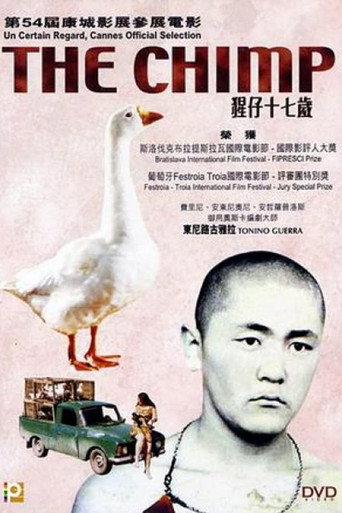
The Chimp
The Chimp is the nickname of a teenage boy (with large ears) who lives in the small town of Balyktchy, Kirghizstan, a former part of the USSR in central Asia. His family is being torn apart by his dad's alcoholism, his emotions are being torn as he sees his friends pair off into couples, and his job working on the railtracks is uninspiring.
The Chimp
The Chimp is the nickname of a teenage boy (with large ears) who lives in the small town of Balyktchy, Kirghizstan, a former part of the USSR in central Asia. His family is being torn apart by his dad's alcoholism, his emotions are being torn as he sees his friends pair off into couples, and his job working on the railtracks is uninspiring.
This Is What I Remember
An amnesiac old man Zarlyk who after twenty-three years of ordeal in a foreign land, returns to his homeland. Events take place in a village in Kyrgyzstan, where he is brought by his matured son Kubat. Much has changed during his absence: the morals of the villagers, mired in the realities of a changing world, radicalization of Islam, growing crime, and moral corrosive corruption began to consume... Zarlyk’s wife Umsunai, having lost hope of his return, went into religion, married the local authority Jaichy. The bright past invades the already accustomed Umsunai’s life. But nothing touches Zarlyk. An inexplicable passion for collecting garbage replaced him everything. Will the memory return to him and will Umsunai gain lost happiness when they are pressed by tight attitudes and immorality of the clergy, when love has eclipsed recklessness?
The Swing
The second film by Kyrgyzstani director Aktan Arym Kubat (then credited by his Russian name Aktan Abdykalykov), it is the first of his autobiographical Kurak ("Quilt") Trilogy, followed by Beshkempir (The Adopted Son, 1998) and The Chimp (2001). Идиллия детства, радости, игры разрушается с возвращением в маленькое горное село моряка. В прекрасный мир девушки, мальчика и юродивого врывается великолепная морская форма с клешами и бескозыркой, и волшебная морская ракушка - источник всех их будущих бед.
Gallery