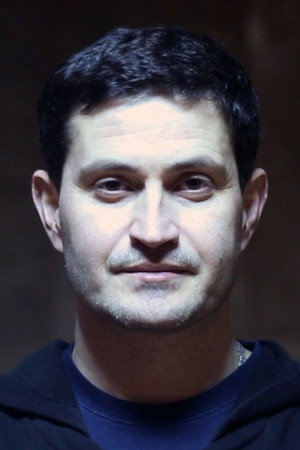
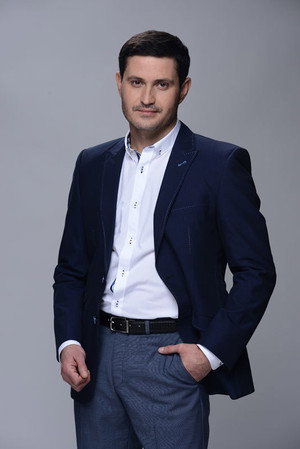
Akhtem Seitablaiev Movies, TV Shows, and Filmography
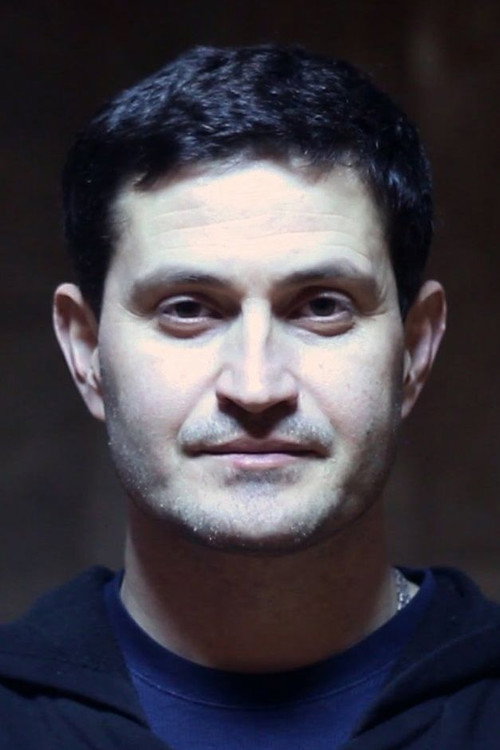
Akhtem Seitablaiev
Directing
Biography
Crimean Tatar filmmaker. Akhtem Shevketovych Seitablayev, born 11 December 1972, is a Ukrainian actor, screenwriter and film director of the Crimean Tatars origin. He is the director of several high-profile films, including Haytarma in 2013 and Another's Prayer in 2017. He has expressed opposition to the annexation of Crimea by the Russian Federation and his films about the fate of several prominent Crimean Tatars have been praised throughout the former Soviet Union but criticized by hardline Russian nationalists. Seitablaiev was born in 1972 in Yangiyo‘l, then part of the Uzbek SSR. During the Stalinist period, his parents were deported by the Soviet authorities to Uzbekistan in the Sürgün since Crimean Tatars were one of the several ethnic groups to experience universal exile in the Stalin era. He attended school in Uzbekistan and remained in there with his family until they moved back to Crimea during the Perestroika era in 1989, where he began his film career in 1992 after graduating from the Crimean Cultural Enlightenment School. From 1992 to 2004 he worked at the Simferopol State Crimean Tatar Theater, where he directed several plays including works of Alexander Pushkin. In 2005 he began working at the Kyiv Academic Theatre of Drama and Comedy on the left-bank of Dnieper. In 2009 he directed his first film, Quartet for Two. In 2013 he directed the movie Haytarma (English: Return) based on the real life of Amet-khan Sultan, a Crimean Tatar flying ace and twice Hero of the Soviet Union who witnessed the Sürgün but managed to avoid deportation due to his father's Lak ancestry and the intervention of Timofey Khryukin, commander of the 8th Air Army. The film was praised by the Kyiv Post as "must-see for history enthusiasts" and criticized by Komsomolskaya Pravda for depicting the NKVD officers doing the deportation as violent while portraying the deported women and children in a much more sympathetic light. Russian consul in Crimea Vladimir Andreev said the film was "distorting the truth", and attacked the movie for being made by Crimean Tatars, who he said deserved to be deported, but he admitted that he did not actually watch the film, and based his opinion that the movie was inaccurate only because it was made by Crimean Tatars. However, Andreev's orders telling Russians invited to the film to not attend resulted in several Russian generals invited to the premiere cancelling, though some still saw it. Andreev's comments sparked a huge backlash that led to his resignation, while Seitablayev jokingly thanked Andreev for giving the movie free advertising.
Filmography Movies
Acting
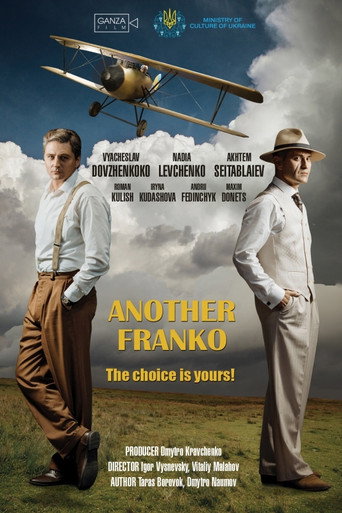
Another Franko
A historical drama dedicated to Ivan Franko's son Peter, who lived a life full of achievements and adventures.
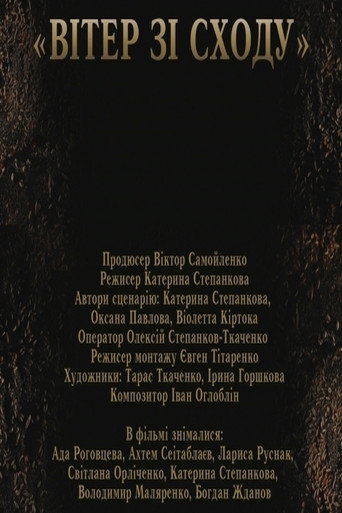
Wind from the East
How does war resonate in a peaceful life? How does it melt in the mind of a creative person? In the documentary film "Wind from East" the authors are looking for answers to these questions. In the picture, the two worlds are peace and war, but peace is a theater where preparatory rehearsal work takes place, and war is also a theater, but at war. There is another world that stands alone - it is a play played by actors, rethinking their own experience of involvement in the war and the texts of Alexander Dovzhenko and contemporary Ukrainian authors. These worlds combine interviews with people, with those who joined the actors' trips to the east, with the military, who received the actors and became spectators directly on the front line.
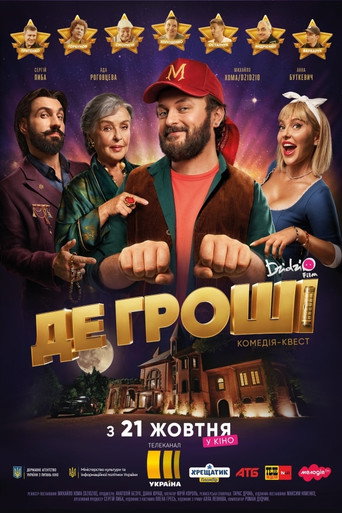
Money Quest
Pianist-adventurer Misha gets a job with the old owner of a mysterious house-quest. But he does not know that the question "WHERE IS THE MONEY?" interested not only in him. Everyone in this house is looking for money.
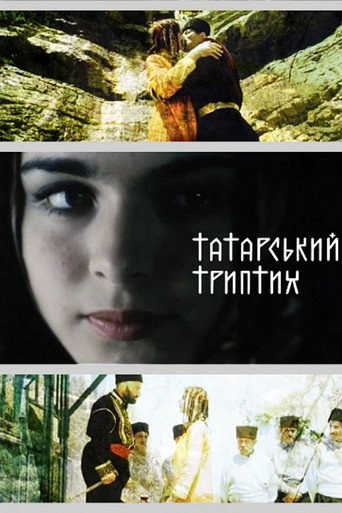
Tatar Triptych
Based on Mykhailo Kotsyubynsky's "Crimean Stories": "In the Shackles of Satan", "On the Stone" and "Under the Minarets".
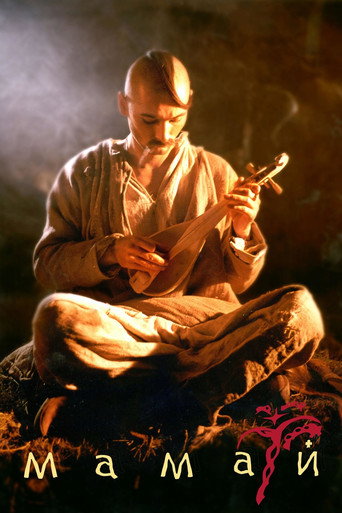
Mamay
Mamay draws on traditional Ukranian and Tatar folktales for its Romeo and Juliet-like love story and parable about chivalry and the struggle for freedom. Hundreds of years ago, in the wild steppes of Crimea that form an uneasy border between East and West, Europe and Asia, nomad and farmer, the proud Cossack Mamay falls in love with the Tatar beauty Omai. The title, like the storyline, holds a variety of different meanings taken from different cultures. In Turkic languages, it means "no one," but it was also the name of a famous Mongol conqueror, the great grandson of Ghengis-Khan. In Persian legends, mamay literally means "the spirit of the steppes. "
Ukrainian Cinema. The Rise
A documentary film about the rise of Ukrainian cinema both at the national level and on the international stage.
I'm with You
Two fellow athletes fall in love with the same girl. They try to get money for her treatment for cancer.
The Fight Rules
Film tells an exciting story of a confrontation between talented boxer and criminal patrons of mixed fights MMA.
Foreign Prayer
Nazi-occupied Crimea, 1944. A boy named Itzhak turns to Saide Arifova, a local Tatar Muslim woman, for help, explaining that he and a group of other Jewish orphans are hiding from the Nazis. Arifova faces a moral dilemma: should she try to help them or save herself by refusing? Despite the impending danger, she decides to protect the children by hiding them in plain sight, and disguising them as Tatars and adopting them into the local community.
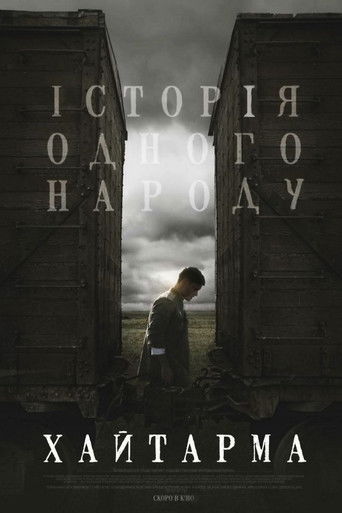
Khaytarma
The film tells about the tragic date in the history of the Crimean Tatar people — May 18, 1944 — Stalin’s deportation of the Crimean Tatars. The plot of the film — a pilot, twice Hero of the Soviet Union, Amethan Sultan. In May, 1944, a year after liberation of Sevastopol Amethan goes on vacation to his native town Alupka. On May 18 his eyes witness begining of deportation of the Crimean Tatars.
Production
Khaytarma
The film tells about the tragic date in the history of the Crimean Tatar people — May 18, 1944 — Stalin’s deportation of the Crimean Tatars. The plot of the film — a pilot, twice Hero of the Soviet Union, Amethan Sultan. In May, 1944, a year after liberation of Sevastopol Amethan goes on vacation to his native town Alupka. On May 18 his eyes witness begining of deportation of the Crimean Tatars.
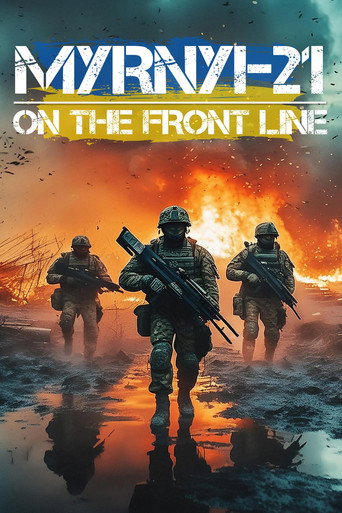
Myrnyi-21
The story of trust and its absence against the background of events unfolding in Eastern Ukraine in early 2014. The main topic is revealed through the prism of the Luhansk border base, whose fighters the separatists and Russian special services tried unsuccessfully force to betray their country.
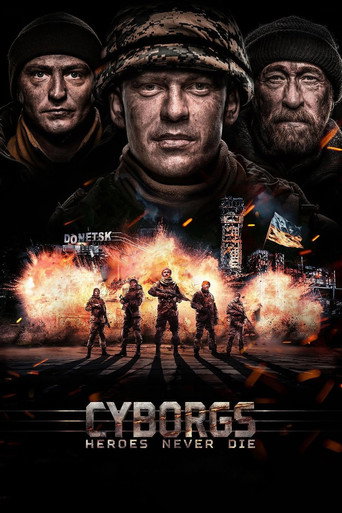
Cyborgs
‘The Cyborgs’ is re-telling the recent history of Ukraine – the legendary fight for Donetsk Airport in 2014 during Russian invasion. The freedom fighters from various divisions of Ukrainian army and volunteer battalions took a 242-days stand against the Russian backed militants until the complete destruction of the airport’s terminal.
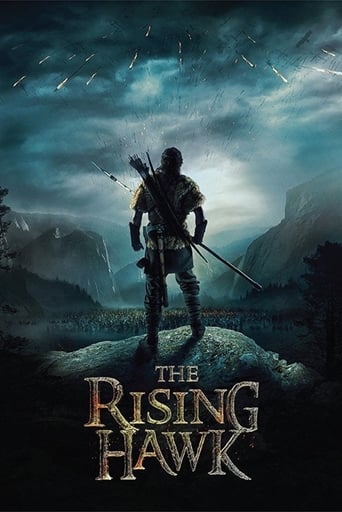
The Rising Hawk
During the 13th century, a small village fights for freedom in the frontier landscape of the Carpathian Mountains against Mongolian invaders.
Foreign Prayer
Nazi-occupied Crimea, 1944. A boy named Itzhak turns to Saide Arifova, a local Tatar Muslim woman, for help, explaining that he and a group of other Jewish orphans are hiding from the Nazis. Arifova faces a moral dilemma: should she try to help them or save herself by refusing? Despite the impending danger, she decides to protect the children by hiding them in plain sight, and disguising them as Tatars and adopting them into the local community.
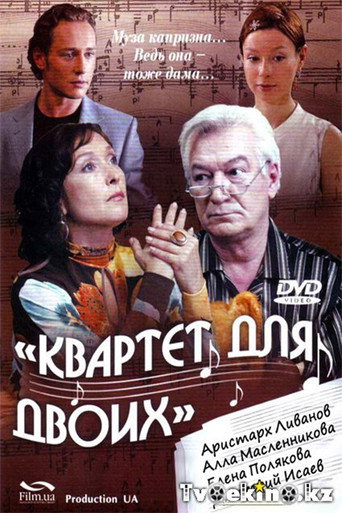
Quartet for two
An aging composer, caressed by fame, realizes that his finest hour has passed. And in his troubles, the creator blames first of all his wife Elena. To return the capricious muse, Eugene brings a young mistress, a student of the conservatory, into the house. And the wife has to put up with the fact that from now on she will live under the same roof with the "doves."
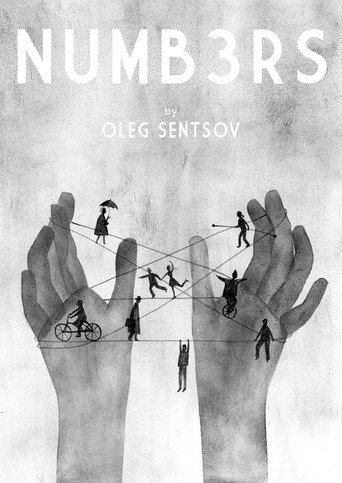
Numbers
Ten figures walk around in a circle. All they have is a number. The “Great Zero” monitors them. Based on a dystopian parable by Oleg Sentsov, this film was created between Kyiv and the Siberian penal colony where Sentsov spent five years as a political prisoner.
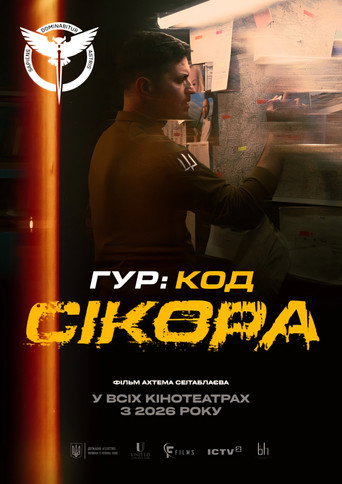
GUR: Code "Sikora"
Maksym is a pilot of an Mi-8 military helicopter, call sign "Sikora". Raised by his military grandfather, Maksym has been used to acting on moral grounds rather than under stress since childhood. When a full-scale war breaks out, he does not immediately rush into battle. But after the atrocities committed by the Russian military in Bucha, Irpin, and Donetsk region, he can no longer remain silent. The viewer is presented with a story not only of war, but also of the inner transformation of a man who is faced with the choice every day to stay on the sidelines or to become one of those who resist.
Gallery