Acting
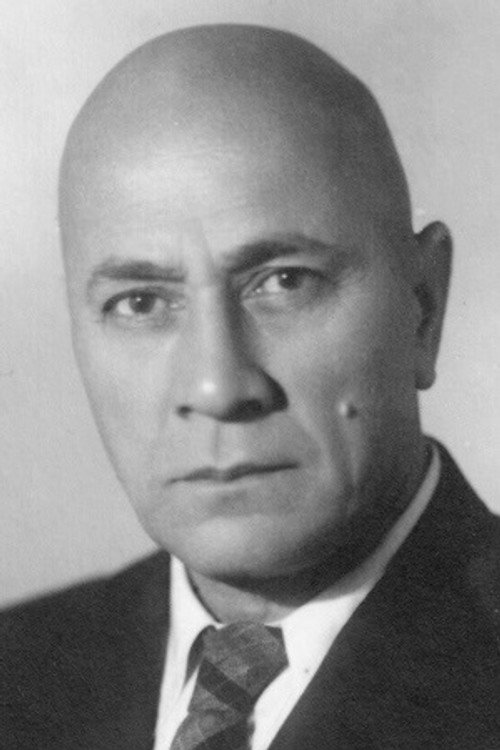
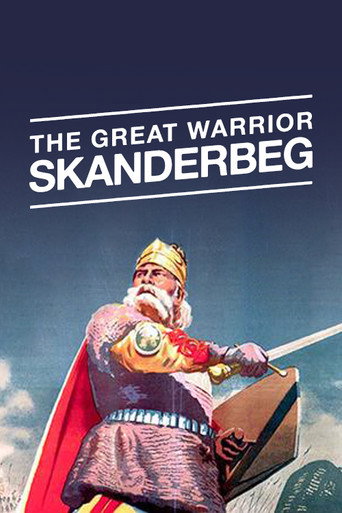
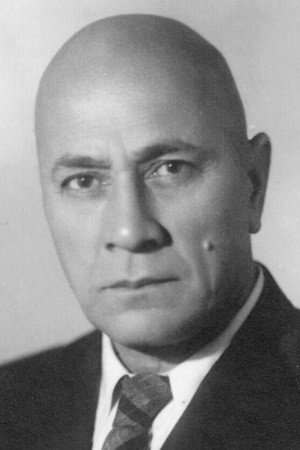
Akaki Khorava was a Georgian and Soviet actor, theater director and pedagogue. He appeared in more than fifteen films from 1924 to 1965. He is best known for his performances in The Great Warrior Skanderbeg and Giorgi Saakadze
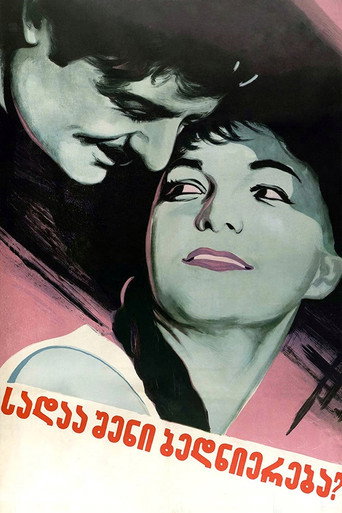
Mzia’s classmates have decided to stay in their village and work at the Sovkhoz after graduation. But Mzia’s mother wants her to go to Tbilisi to become a student.
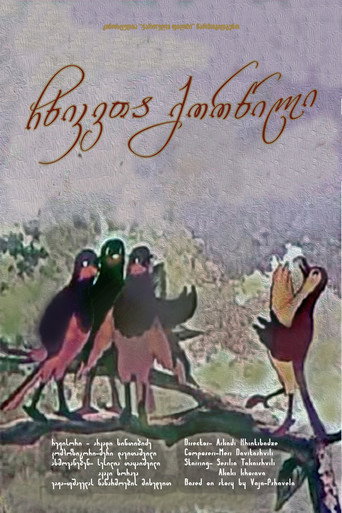
To revenge brave jay Zakara, evil crown Kvanchala teams with a fox and kidnaps Zakara's bride Ketevan from the wedding. Kvanchala's cruel plan fails as Zakara's friends help him to rescue Ketevan and the fiesta continues.
The film tells about the struggle of the Georgian people under the leadership of the great commander George Saakadze for a centralized state.
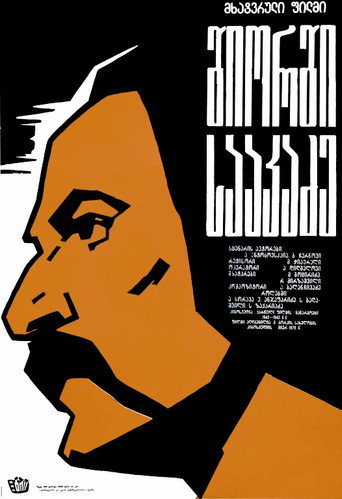
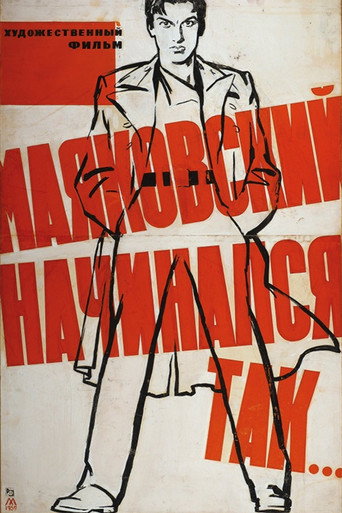
Based on the autobiographical book "Ya -sam" (I-myself) by Vladimir Mayakovsky the leading Russian Futurist poet of the beginning of the 20th century. He was born in 1893, into a Russian Cossack family in the Transcaucasian kingdom of Georgia, then part of Russian Empire. There he spent his childhood and boyhood attending a grammar school in Kutaisi. Mayakovsky moved to Moscow at the age of 14, after his father's death. He became a poet, an artist, an actor, a writer/director and public speaker.
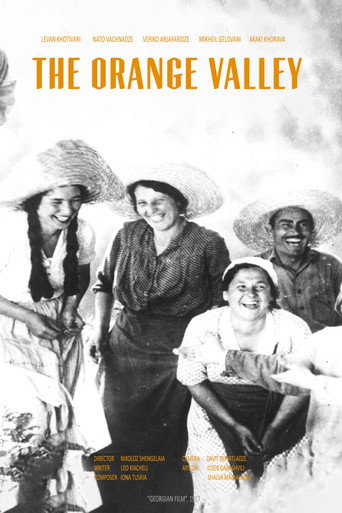
The enemy of the collective farm movement, Kirile, with his advice, confuses the chairman of the collective farm “Orange Valley”, Tedo, who believes in his support. He tries to turn Tedo and Giorgi, who has recently returned from the civil service into enemies.
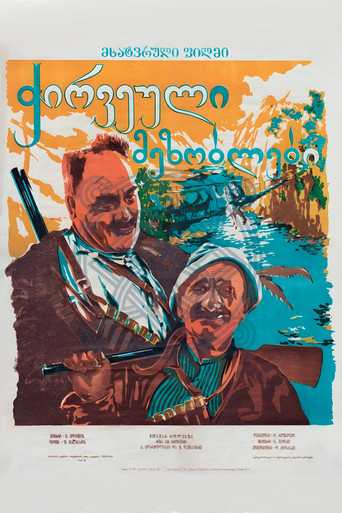
The two neighbors, Amiran (ამირანი) and Gramiton (გრამიტონი), are cantankerous individuals who argue about everything for no reason. Their constant bickering is very amusing to everyone in the village, as they compete to see who is better.
A biography of George Kastriot Skanderbeg widely known as Skanderbeg, a 15th-century Albanian lord who defended his land against the Ottoman Empire for more than two decades.
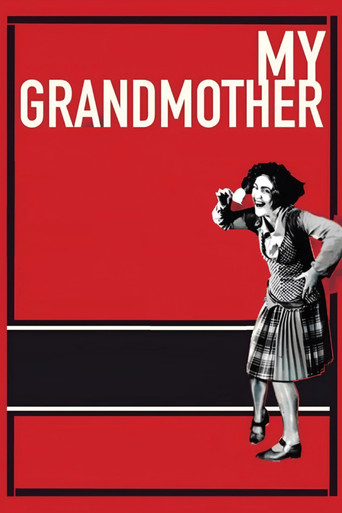
The protagonist, a lazy pen-pusher, gets the sack for his bureaucratic idleness, and learns that the way back into the job market depends on getting a letter of recommendation from a "grandmother"
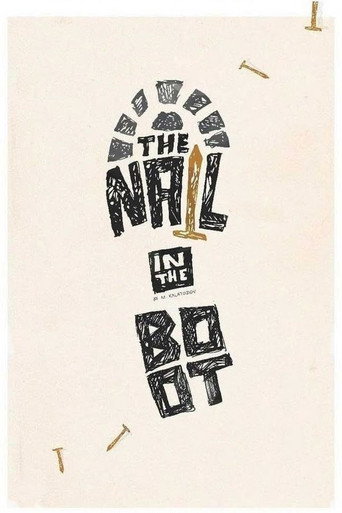
Banned in the Soviet Union for its "negative" content and never released, Kalatozov was forced to retreat from filmmaking for seven years because of this film. The film sets out to illustrate the old adage, "For want of a nail, the battle was lost," showing how the inferior quality of something so trivial as a nail in a soldier's boot leads inexorably to the capture of an armored train. Kalatozov had intended to demonstrate the crucial and universal importance of efficiency in Soviet industry, but the government decided that his fable gave a negative impression of the Red Army's capabilities.