Acting
No biography available.
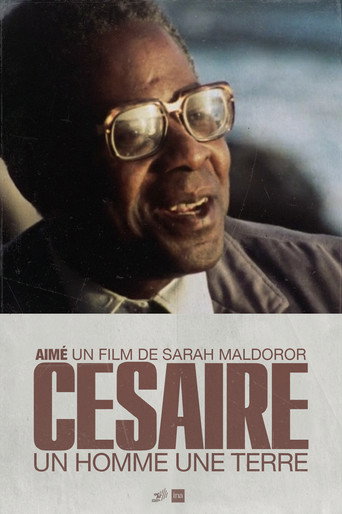
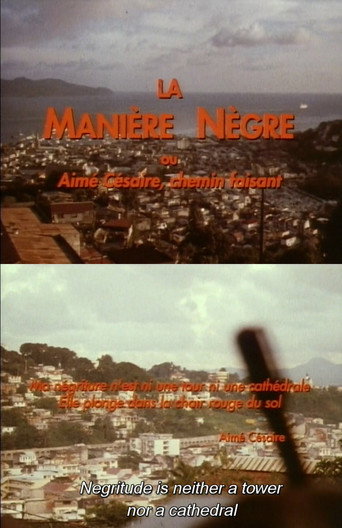
A three-part study that introduces audiences to the celebrated Martinican author Aimé Césaire, who coined the term "négritude" and launched the movement called the "Great Black Cry".
Alternating interview segments, shots of Martinique landscapes and scenes from Aimé Césaire's play La Tragédie du roi Christophe (1963), Sarah Maldoror portrays her friend as a politician, a poet, and a founder of the Négritude movement.
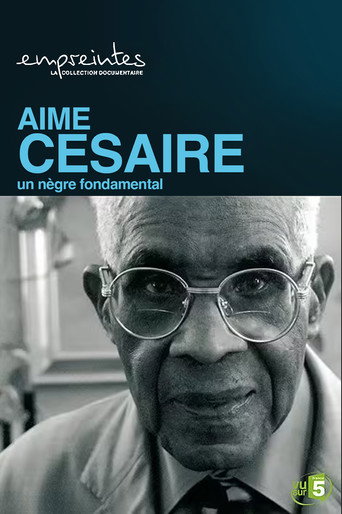
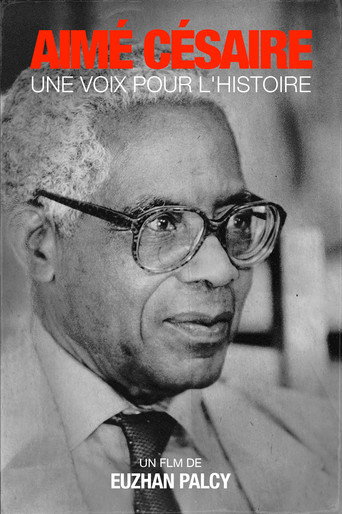
Documentary exploring the thought and work of Aimé Césaire.
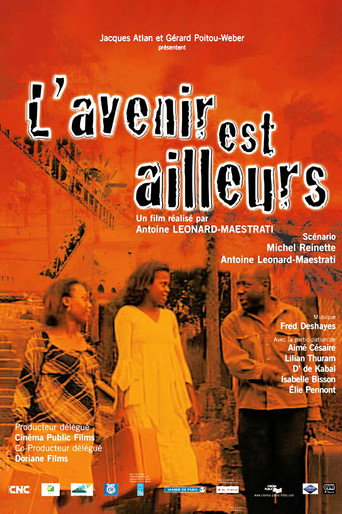
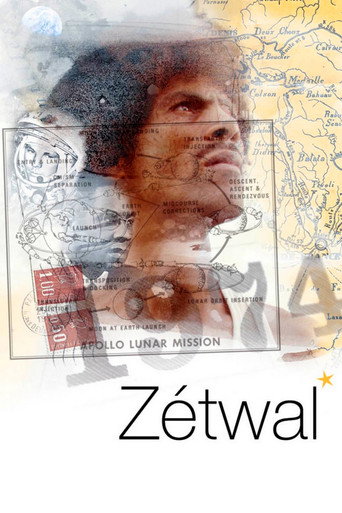
Martinique Island, 1974. Inspired by the writings of the Martiniquais poet and politician Aimé Césaire (1913-2008), the dreamer Robert Saint-Rose, known as Zétwall (Star in Creole), aspires to be the first Frenchman to step on the lunar surface.
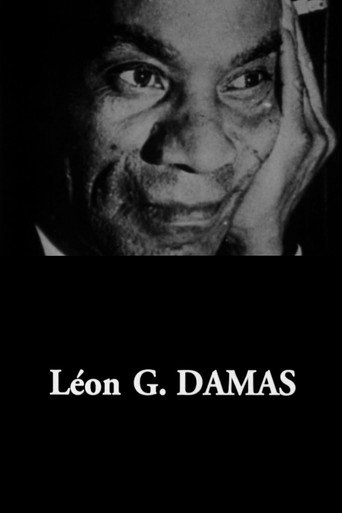
Léon G. Damas (1912–1978) was the first poet to “live Négritude”, according to the Senegalese poet, politician and cultural theorist Léopold Sédar Senghor. Cosmopolitan and always in transit, his writing is a chorus of melodies and imagery imbued with angst and melancholy and strongly influenced by jazz and blues. Punctuated by images of the landscapes of French Guiana and the voice of the artist, the film exemplifies the poetic documentary form to which Maldoror frequently returned.
"Ghost Body" is a personal meditation on the ambivalences of interracial male homosexuality.
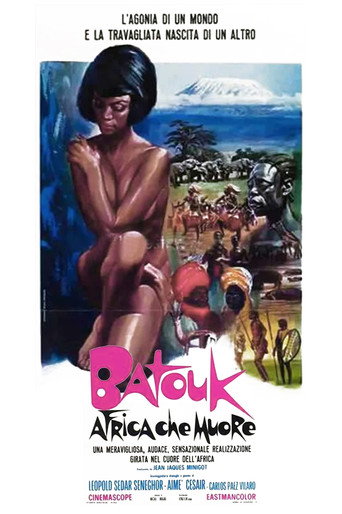
This uneven and uninspired documentary of Africa is a collection from various stock footage. Female dancers in mod clothes dance on the Eiffel Tower in comparison to the primitive dances of native Africans. A lone runner trains for a marathon, and a few animals are shown in their natural habitat. Commentary and modern jazz and pop music help to make this seem much longer than 66 minutes.
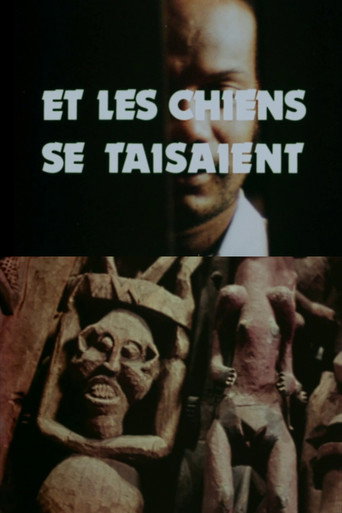
For 'Et les chiens se taisaient' Maldoror adapted a piece of theatre by the poet and politician Aimé Césaire (1913–2008), about a rebel who becomes profoundly aware of his otherness when condemned to death. His existential dialogue with his mother reverberates around the African sculptures on display at the Musée de l'Homme, a Parisian museum full of colonial plunder whose director was the Surrealist anthropologist Michel Leiris.
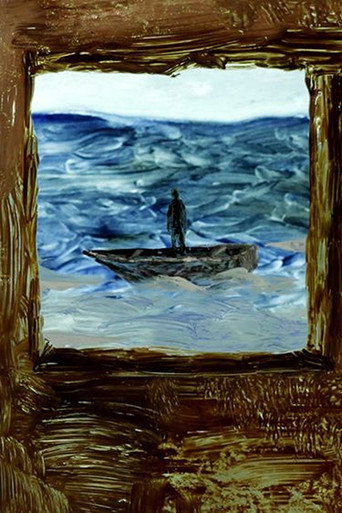
The film based on the poem by Aimé Césair was created for a series of one-minute-long films inspired by the poems of this French poet commemorating the 100th anniversary of his birth. The French original was narrated by Jacques Martial with music composed by François Causse and produced by MAUR film for the company La Maison Garage. The Czech version was translated by the French poet and translator Bertrand Schmitt and narrated for the cinema by actor Viktor Preiss. The film was animated with the demanding technique of oil painted on glass directly in front of the camera and the production in the Anima studio took almost three months during this spring. The same technique will be used for an animated co-production film directed by the French director Florence Miailhe with Lucie Sunková as the main animator.
Special broadcast of Aimé Césaire's text, directed by Hervé Denis for the Cooperation and Cultural Action Mission of the French Embassy in Haiti.