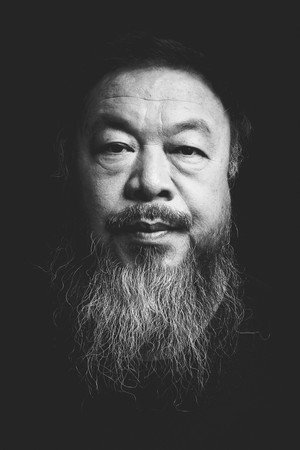
Ai Weiwei Movies, TV Shows, and Filmography
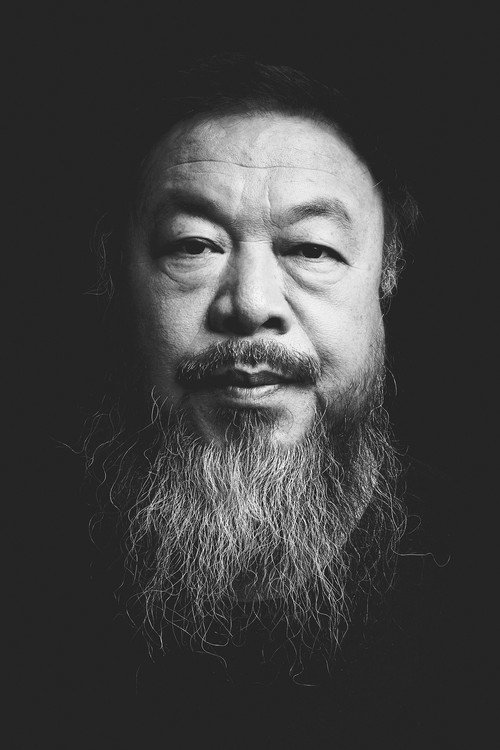
Ai Weiwei
Directing
Biography
Ai Weiwei is a Chinese contemporary artist and activist. Ai grew up in the far north-west of China, where he lived under harsh conditions due to his father's exile. As an activist, he has been openly critical of the Chinese Government's stance on democracy and human rights. He investigated government corruption and cover-ups, in particular the Sichuan schools corruption scandal following the collapse of schools in the 2008 Sichuan earthquake. In 2011, Ai Weiwei was arrested at Beijing Capital International Airport on 3 April, for allegedly economic crimes. He was detained for 81 days without charge. Ai Weiwei emerged as a vital instigator in Chinese cultural development, an architect of Chinese modernism, and one of the nation's most vocal political commentators. Ai Weiwei encapsulates political conviction and his personal poetry in his many sculptures, photographs and public works. In doing this, he makes use of Chinese art forms to display the Chinese political and social issues. After being allowed to leave China in 2015, he has lived in Berlin, Germany, and, since 2019, in Cambridge, UK, with his family, working and traveling internationally.
Filmography Movies
Acting
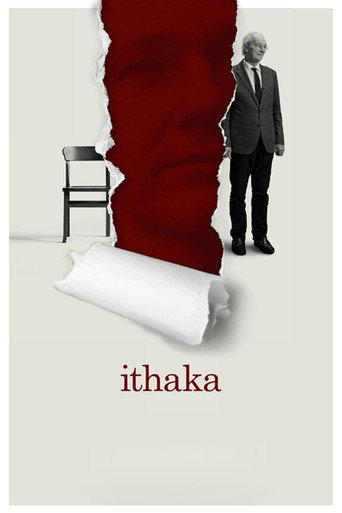
Ithaka
The campaign to free Julian Assange takes on intimate dimensions in this documentary portrait of an elderly man’s fight to save his son. Arguably the world’s most famous political prisoner, WikiLeaks founder Julian Assange is a figure pretty much everybody has an opinion about; perhaps more importantly, he serves as the emblem of an international arm wrestle over freedom of journalism, government corruption and unpunished war crimes. For his family members who face the prospect of losing him forever to the abyss of the US justice system, however, this David-and-Goliath struggle is personal – and, with his health declining in a British maximum-security prison and American government prosecutors pulling out all the stops to extradite him, the clock is ticking.
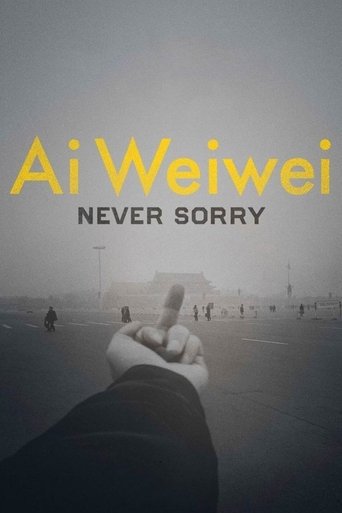
Ai Weiwei: Never Sorry
An account of the many tribulations that Chinese artist Ai Weiwei, known for his subversive art and political activism, endured between 2008 and 2011, from his rise to world fame via the Internet to his highly publicized arrest due to his frequent and daring confrontations with the Chinese authorities.
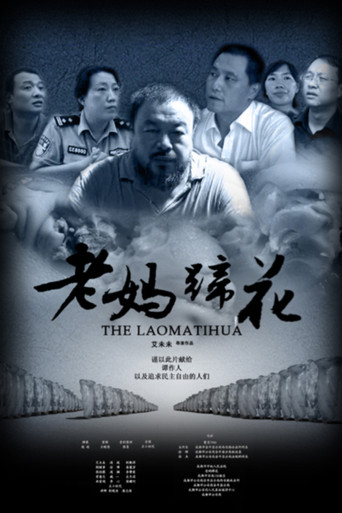
Disturbing the Peace
"Disturbing the Peace" is a documentary of an incident during Tan Zuoren's trial on August 12, 2009. Tan Zuoren was charged with inciting subversion of state power. Chengdu police detained witnessed during the trial of the civil rights advocate, which is an obstruction of justice and violence. Tan Zuoren was charged as a result of his research and questioning regarding the 5.12 Wenchuan students' casualties and the corruption resulting poor building construction. Tan Zuoren was sentenced five years to prison.
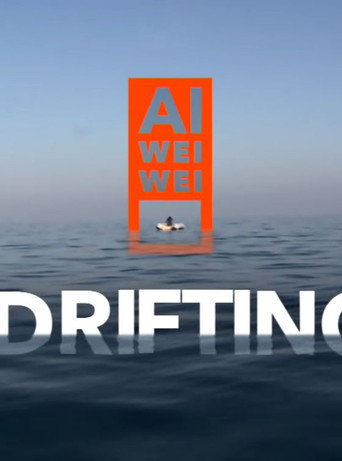
Ai Weiwei Drifting
Ai Weiwei is a global star and an enigma. DW followed him for a year for this intimate portrait. The film shows Ai Weiwei at home, at work, and on the road for work, as he prepares his latest series of works focused on refugees and their fates.
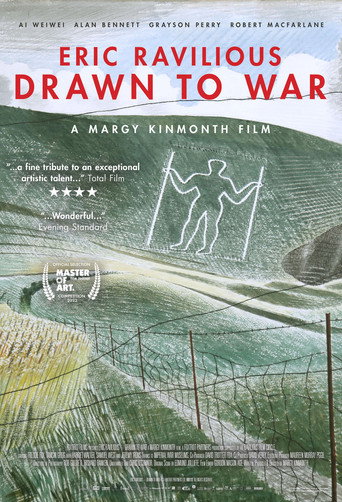
Eric Ravilious: Drawn to War
One of Britain’s greatest landscape artists, Eric Ravilious, is killed in a plane crash while on commission as Official War Artist in Iceland in 1942. His life is as compelling and enigmatic as his art, set against the dramatic wartime locations that inspire him. This film brings to life this unique and still grossly undervalued British artist caught in the crossfire of war 80 years ago, whose legacy largely sank without trace, until now…
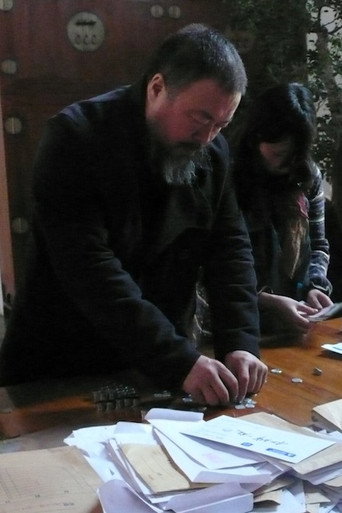
Ai Weiwei's Appeal ¥15,220,910.50
Ai Weiwei’s Appeal ¥15,220,910.50 opens with Ai Weiwei’s mother at the Venice Biennial in the summer of 2013 examining Ai’s large S.A.C.R.E.D. installation portraying his 81 day imprisonment. The documentary goes onto chronologically reconstruct the events that occurred from the time he was arrested at the Beijing airport in April 2011 to his final court appeal in September 2012. The film portrays the day-to-day activity surrounding Ai Weiwei, his family and his associates ranging from consistent visits by the authorities, interviews with reporters, support and donations from fans, and court dates. The Film premiered at the International Film Festival Rotterdam on January 23, 2014.
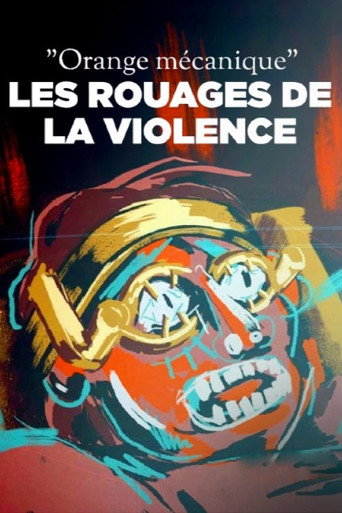
Clockwork Orange: The Prophecy
Examines and re-evaluates the 60-year history and cultural impact of A Clockwork Orange, as a novel, movie and stage play, with the help of archival content and interviews with important creative figures.
Vincent van Gogh Superstar
Documentary about famous painter Vincent van Gogh.
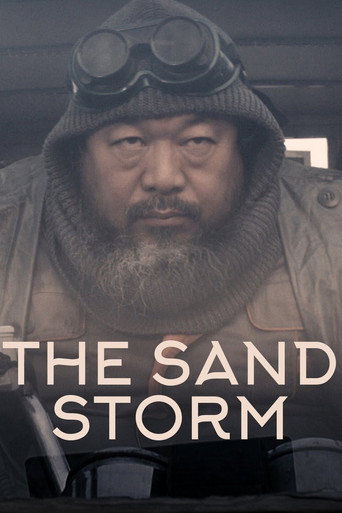
The Sand Storm
In the not-quite end-times, a woman, a man, a lover and a water smuggler navigate a tumultuous future city on the brink of a water shortage. A "low-fi sci-fi film" secretly made in China.
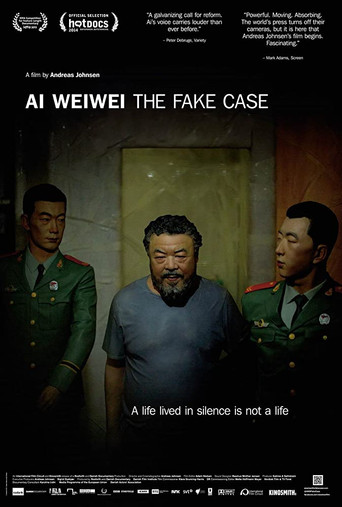
Ai Weiwei: The Fake Case
After 81 days of solitary detention world famous Chinese artist Ai Weiwei is put under house arrest. He suffers from sleeping disorder and memory loss, 18 cameras are monitoring his studio and home, police agents follow his every move, and heavy restrictions from the Kafkaesque Chinese authorities weigh him down. Journalists, the art world and his family all want a piece of him and on top of that he is met with a gigantic lawsuit from the Chinese government, soon to be named 'The Fake Case'. Ai Weiwei is shaken, but during the year on probation he steadily finds new ways to provoke and challenge the mighty powers of the Chinese authorities in his fight for human rights. Ai Weiwei strongly believes that China is ready for change. And he will do everything to make it happen.
Production
Little Girl's Cheeks
On December 15, 2008, a citizens' investigation began with the goal of seeking an explanation for the casualties of the Sichuan earthquake that happened on May 12, 2008. The investigation covered 14 counties and 74 townships within the disaster zone, and studied the conditions of 153 schools that were affected by the earthquake. By gathering and confirming comprehensive details about the students, such as their age, region, school, and grade, the group managed to affirm that there were 5,192 students who perished in the disaster. Among a hundred volunteers, 38 of them participated in fieldwork, with 25 of them being controlled by the Sichuan police for a total of 45 times. This documentary is a structural element of the citizens' investigation.
Disturbing the Peace
"Disturbing the Peace" is a documentary of an incident during Tan Zuoren's trial on August 12, 2009. Tan Zuoren was charged with inciting subversion of state power. Chengdu police detained witnessed during the trial of the civil rights advocate, which is an obstruction of justice and violence. Tan Zuoren was charged as a result of his research and questioning regarding the 5.12 Wenchuan students' casualties and the corruption resulting poor building construction. Tan Zuoren was sentenced five years to prison.
Disturbing the Peace
"Disturbing the Peace" is a documentary of an incident during Tan Zuoren's trial on August 12, 2009. Tan Zuoren was charged with inciting subversion of state power. Chengdu police detained witnessed during the trial of the civil rights advocate, which is an obstruction of justice and violence. Tan Zuoren was charged as a result of his research and questioning regarding the 5.12 Wenchuan students' casualties and the corruption resulting poor building construction. Tan Zuoren was sentenced five years to prison.
Chang'an Boulevard
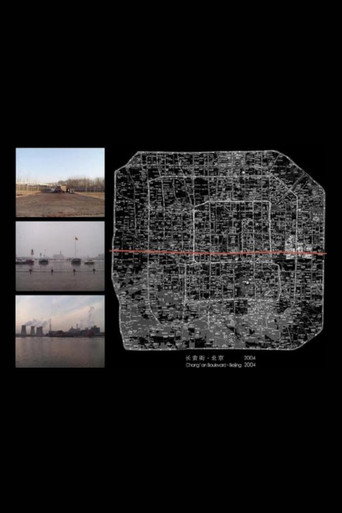
Shot in one-minute increments, Ai's video obsessively documents daily life along Chang'an Boulevard, a thriving road that bisects the capital city along its east-west axis. ("Chang'an" literally means "long peace.") Ai and his team of videographers stopped at 50-meter intervals to record each fixed shot. The result is an impassive yet revelatory videologue that charts the blood flow of Beijing through its supermodern heart to its impoverished extremities.
Chang'an Boulevard
Shot in one-minute increments, Ai's video obsessively documents daily life along Chang'an Boulevard, a thriving road that bisects the capital city along its east-west axis. ("Chang'an" literally means "long peace.") Ai and his team of videographers stopped at 50-meter intervals to record each fixed shot. The result is an impassive yet revelatory videologue that charts the blood flow of Beijing through its supermodern heart to its impoverished extremities.
Chang'an Boulevard
Shot in one-minute increments, Ai's video obsessively documents daily life along Chang'an Boulevard, a thriving road that bisects the capital city along its east-west axis. ("Chang'an" literally means "long peace.") Ai and his team of videographers stopped at 50-meter intervals to record each fixed shot. The result is an impassive yet revelatory videologue that charts the blood flow of Beijing through its supermodern heart to its impoverished extremities.
Chang'an Boulevard
Shot in one-minute increments, Ai's video obsessively documents daily life along Chang'an Boulevard, a thriving road that bisects the capital city along its east-west axis. ("Chang'an" literally means "long peace.") Ai and his team of videographers stopped at 50-meter intervals to record each fixed shot. The result is an impassive yet revelatory videologue that charts the blood flow of Beijing through its supermodern heart to its impoverished extremities.
Beijing 2003
Beijing 2003 is a video about the city that the artist lives in, and its people. Participants include assistants Liang Ye and Yang Zhichao, and driver Wu. The piece took 16 days to complete, starting on October 18, 2003. Beginning below the Dabeiyao highway interchange, the vehicle from which the video is shot travels every street within the 'fourth ring' of Beijing, one by one. Approximately 2,400 kilometers and 150 hours of footage later, it ends where it began: below the Dabeiyao highway interchange. Through the windshield, the camera objectively investigates all visual information that appears before the vehicle - the spatial state of the city's streets, the endlessly changing times, scenery, movements, behavior and other aspects - thoroughly, meticulously, and calmly recording the megacity of Beijing through a single lens. The sum of the entire process becomes the meaning of the work.
Beijing 2003
Beijing 2003 is a video about the city that the artist lives in, and its people. Participants include assistants Liang Ye and Yang Zhichao, and driver Wu. The piece took 16 days to complete, starting on October 18, 2003. Beginning below the Dabeiyao highway interchange, the vehicle from which the video is shot travels every street within the 'fourth ring' of Beijing, one by one. Approximately 2,400 kilometers and 150 hours of footage later, it ends where it began: below the Dabeiyao highway interchange. Through the windshield, the camera objectively investigates all visual information that appears before the vehicle - the spatial state of the city's streets, the endlessly changing times, scenery, movements, behavior and other aspects - thoroughly, meticulously, and calmly recording the megacity of Beijing through a single lens. The sum of the entire process becomes the meaning of the work.
Beijing 2003
Beijing 2003 is a video about the city that the artist lives in, and its people. Participants include assistants Liang Ye and Yang Zhichao, and driver Wu. The piece took 16 days to complete, starting on October 18, 2003. Beginning below the Dabeiyao highway interchange, the vehicle from which the video is shot travels every street within the 'fourth ring' of Beijing, one by one. Approximately 2,400 kilometers and 150 hours of footage later, it ends where it began: below the Dabeiyao highway interchange. Through the windshield, the camera objectively investigates all visual information that appears before the vehicle - the spatial state of the city's streets, the endlessly changing times, scenery, movements, behavior and other aspects - thoroughly, meticulously, and calmly recording the megacity of Beijing through a single lens. The sum of the entire process becomes the meaning of the work.
Gallery