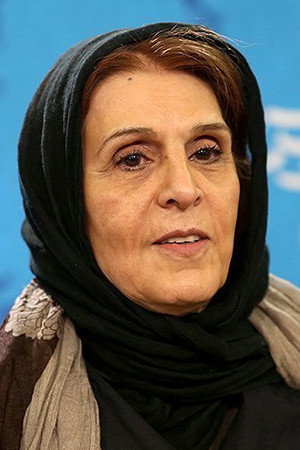
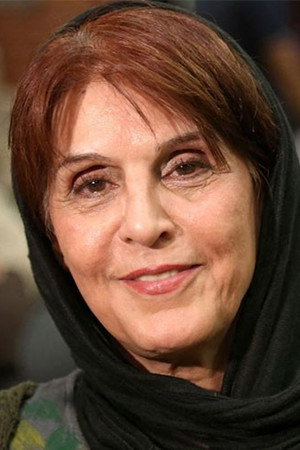
Ahoo Kheradmand Movies, TV Shows, and Filmography
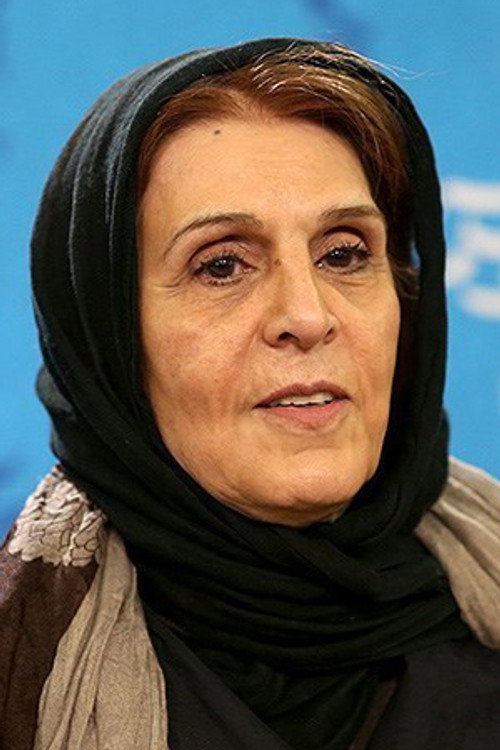
Ahoo Kheradmand
Acting
Biography
Ahoo Kheradmand is an actress who was born in 1950 in Tehran, Iran. She started her career in television and starred in the “Adam and Eve” series directed by Masoud Asadallahi in 1971. She has been Candidate for Best Actress for “Ma Hame Khoobim” by Bijan Mirbagheri and “Beautiful City” directed by Asghar Farhadi from Fajr Film Festival. Her most notable activities are “Eternal Children” by Pouran Derakhshandeh, “The Mirror Candlestick” by Bahram Bahramian, “Porteghal Khooni” by Sirous Alvand, “Gheseye Pariya” Fereydoun Jeirani and “There's Always a Woman in Between” directed by Kamal Tabrizi.
Filmography Movies
Acting
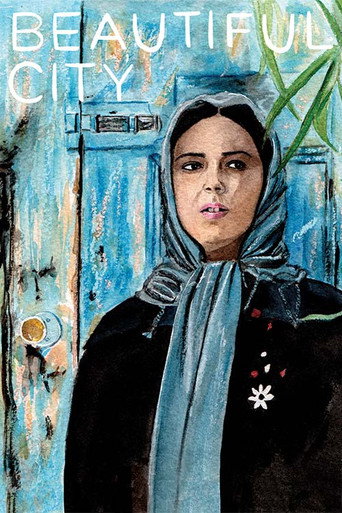
Beautiful City
Akbar, 18, has been held in a rehabilitation centre for committing murder at the age of sixteen. Now, Akbar is transferred to prison to await the day of his execution. A’la, a friend of Akbar, tries desperately to gain the consent of Akbar’s plaintiff so as to stop the execution.
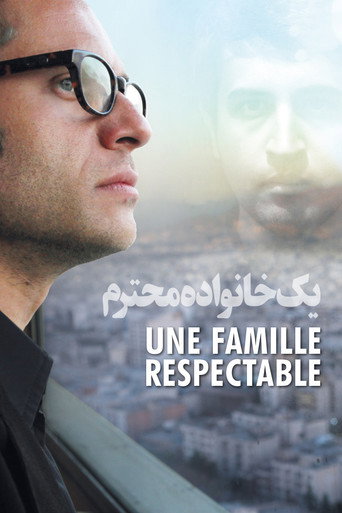
A Respectable Family
Arash is an Iranian academic who lives in the West. He returns to Iran to teach in Shiraz, a city far from Tehran where his mother lives. Drawn into a series of domestic and financial dramas, he faces a country that is now alien to him. Following the death of his father and the discovery of what his “respectable family” has become, he is forced to make choices.
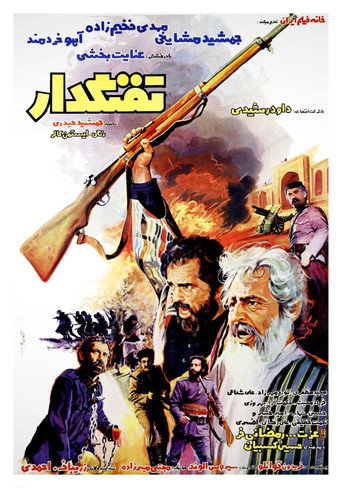
The Musketeer
When an attempted breakout of a prisoner ends in mass bloodshed, a power struggle erupts between the lawmen and a group of civilians in a rural province. As hostilities between the two sides slowly escalate, the animosity felt by the rebel leader towards his enemies slowly grows. Violence only begets more violence as a brutal attack is met with an act of revenge. A Bloody historical epic from Jamshid Heydari.
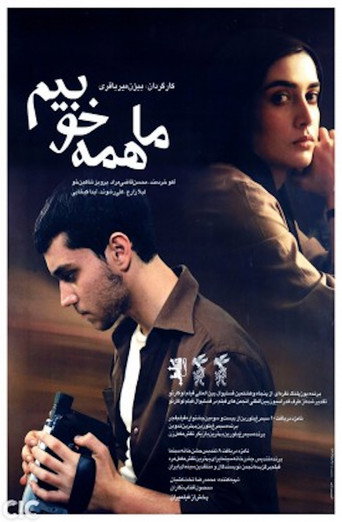
We Are All Fine
Jamshid, the son of Abbas Sakhai, has been living abroad for a number of years. He sends a message for his family who then decide to make a film depicting their lives and send it to Jamshid. Omid, the younger son of the family, rents a video camera and records images of members of the family as they talk directly into the camera.
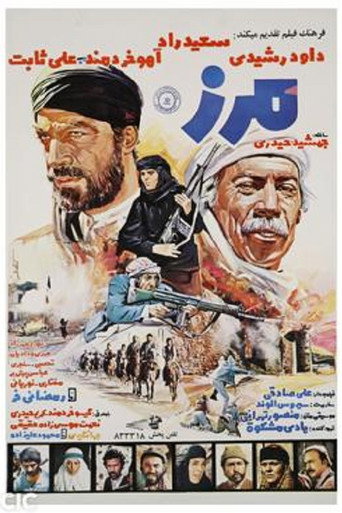
Border
This film was the first feature film about the Iran-Iraq war that was made and released.
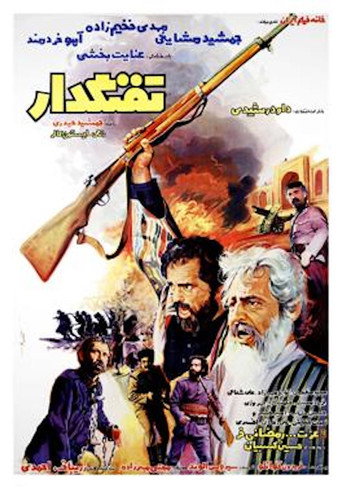
The Gunman
At the end of the reign, the country, the north, and the south are under strain to make foreign provisions for the Tremain.
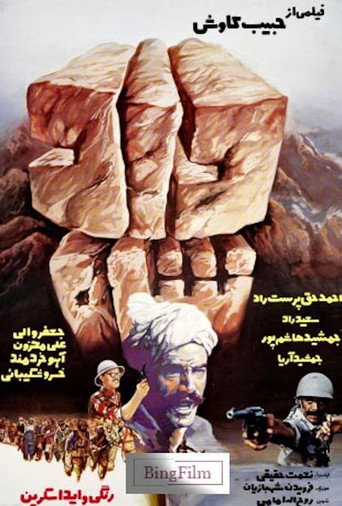
Dadshah
Daadshah is a 1983 Iranian Persian-language film depicting the life and experiences of Baloch rebel Dad Shah in the Balochistan insurgency.
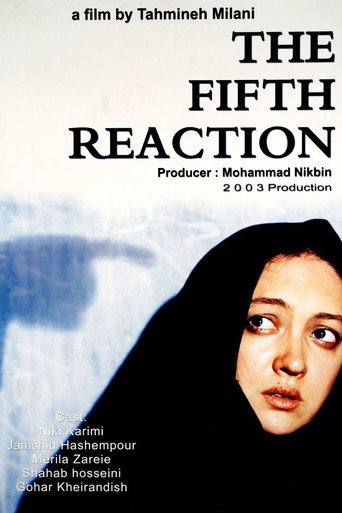
The Fifth Reaction
Fereshteh loses her home and her two sons after her husband's accidental death when Hadj Safdar, her stubborn and powerful father-in-law, forces her to return to her parents. She is faced with the loss of her visitation rights when Hadj plans to send his grandchildren to live in a remote town. With the help of her circle of women friends she tries to take them beyond his reach, but in a patriarchal society it is hard to find a safe haven.
Fairy Tale
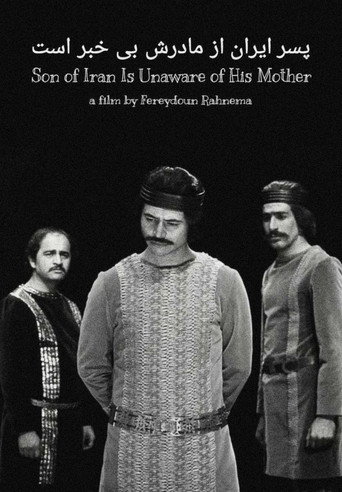
Iran's Son is Unaware of His Mother
A young playwright and director wants to write and perform a historical drama about faith in the Ashkani period of Iran. There is an incongruity between the man's personal life, and his quest to pursue and present history. The woman who lives with him believes he should not neglect their relationship when embarking on such a quest. The people who work with the playwright believe the play ought to be made popular to satisfy the public. Finally, this matter makes the playwright perform the play all by himself.
Gallery