Ahmed Rachedi Movies, TV Shows, and Filmography
Ahmed Rachedi
Directing
Biography
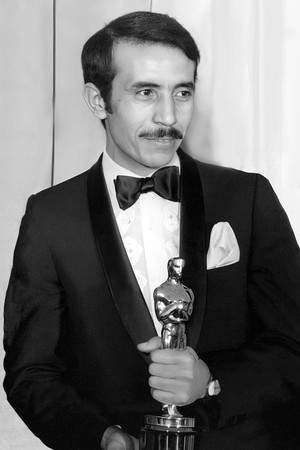
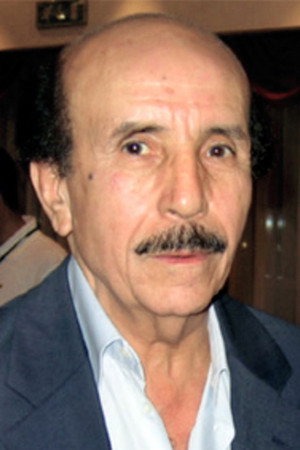
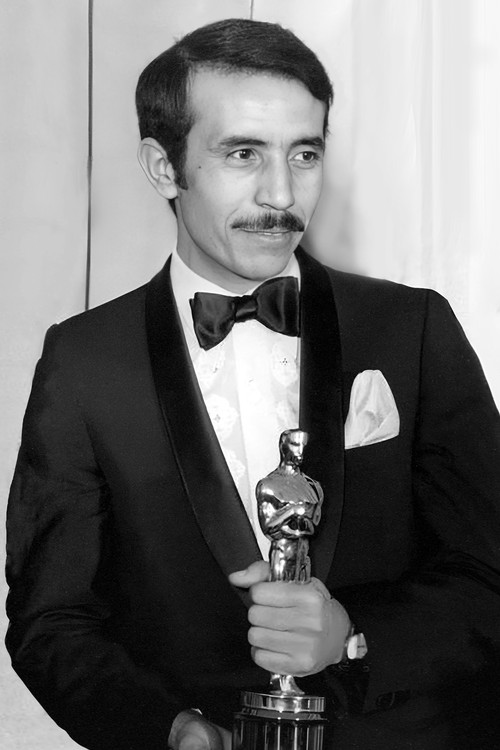
Ahmed Rachedi (Arabic: أحمد راشدي), born in 1938 in Tébessa, is an Algerian filmmaker, screenwriter, producer and ministerial advisor. The war of independence is his school: Ahmed Rachedi belongs, with René Vautier and Mohamed Chanderli, to the first cinematographic unit of the FLN. He went to Tunis where his work focused on reporting, editing, as well as short films (he made several after independence). He participates in collective films and directs some of them. In 1962 he was one of the founding members, with the same René Vautier, of the CAV audiovisual center. He became known with "The Dawn of the Damned" (1965) and "The Opium and the Stick" (1971), adapted from the eponymous novel published in 1965 by Mouloud Mammeri, and presented at the directors' fortnight at the Cannes Film Festival. . In France, based on a screenplay by Rachid Boudjedra, he directed a story about emigrant workers, Le Doigt dans l'entreprises. In 1970, while he directed the National Office for Commerce and the Cinematographic Industry (ONCIC) from its creation and until 1971, he took part in the production of the famous film "Z" by director Costa Gavras which won the Oscar for best foreign language film for Algeria. Ahmed Rachedi becomes an independent producer. In 1986 he filmed a political comedy, Le Moulin de monsieur Fabre, a film starring Jacques Dufilho. In 1990, he adapted Amin Maalouf's novel Léon l'Africain for cinema and television. In 1993, his TV film C'tait La Guerre, co-directed with Maurice Falevic, won the FIPA d'or prize. Since 2009 he has devoted himself completely to historical films by directing several biopics dedicated to the life and journey of figures from the war of national liberation. He released the feature film "Mostefa Ben Boulaïd" in 2009 which will be followed in 2015 by "Krim Belkacem", a historical film on the journey of this figure of the revolution, and "Lotfi", dedicated to the journey of Colonel Lotfi. In 2018 he released his latest film "Les Sept Remparts De La Citadelle", adapted from the eponymous novel written by Mohamed Maarfia. In 2021, Ahmed Rachedi was appointed to the position of Advisor to the President of the Algerian Republic, responsible for culture and audiovisual.
Filmography Movies
Production
Black Sweat
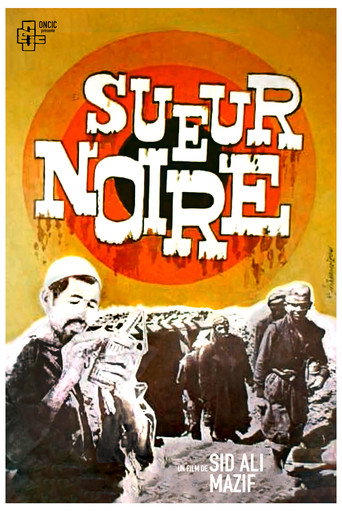
During French colonization, a young Algerian boy is expelled from the French high school where he is able to study thanks to his father's position in the village. For his father, whose dream is to see his son climb the social ladder, this is a disaster, and the young man decides to go to work in the mines. A general strike that is severely repressed makes him aware of the class struggle, and he joins the resistance against discrimination and colonial oppression.
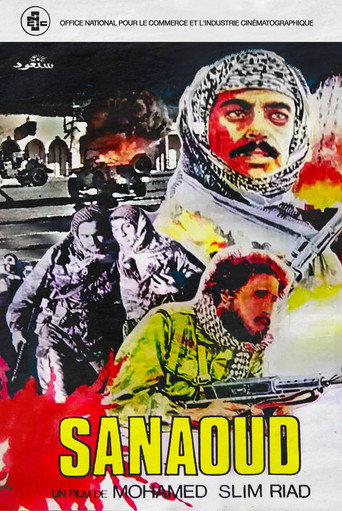
We Will Return
The story of a young Palestinian who left his refugee camp to become a resistance fighter in the Palestine Liberation Organization.
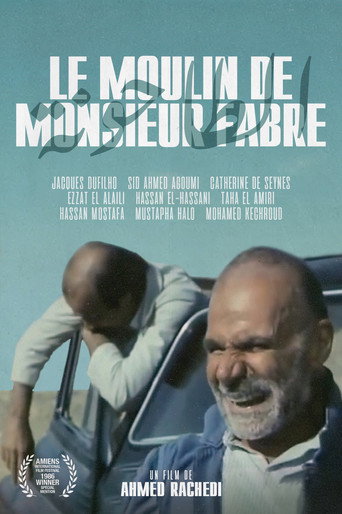
The Mill of M. Fabre
The story of the post-independence nationalization of the mill of Monsieur Fabre, an old man attached to the land of Algeria where he was born. In this small town in eastern Algeria, there was nothing else to nationalize and they were actively preparing for the arrival of high dignitaries who would elevate the mill to the rank of an industrial flour mill even though it was threatened with ruin. The comedy gets worse when the football player from the local team withdraws for love, the officials' visit is canceled and Mr. Fabre returns.
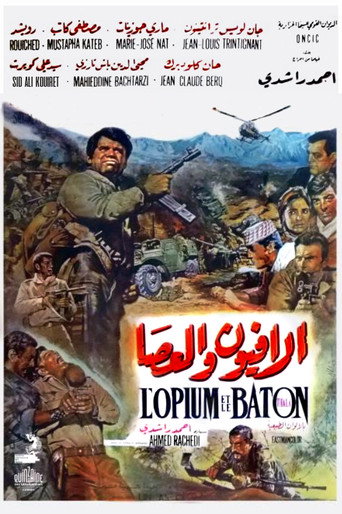
Opium and the Stick
In 1950, in Algeria, in a village in Kabylia, Algerian resistance fighters resisted the French occupation army. Bachir returns to the village to escape the clashes ravaging Algiers. In Thala, he has two brothers, Ali and Belaïd. The first is engaged with the ALN (The National Liberation Army) and fights against the colonizer. His second brother, Belaïd, the eldest, is convinced of a French Algeria. His family torn apart, Bachir decides to join the war and takes sides against the repression of the French army. The French army is trying in vain to turn the population against the insurgents by using disinformation. The more time passes, the more the inhabitants of the village and surrounding areas, oppressed, rally to the cause of the FLN, their houses and their fields will be burned... Adaptation to the cinema of the eponymous novel Opium and the Stick, published in 1965, by Mouloud Mammeri, the film was dubbed into Tamazight (Berber), a first for Algerian cinema.
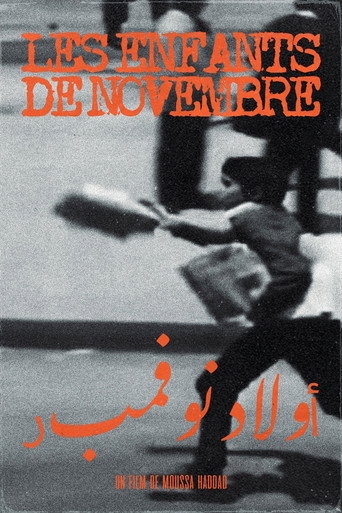
Les Enfants de Novembre
In the streets of the Casbah of Algiers, an FLN fighter pursued by the colonial police hands over confidential documents to Mourad, an Algerian child shouting newspapers who must at all costs pass them on to the resistance. But the police are on their trail and will do anything to get them back.
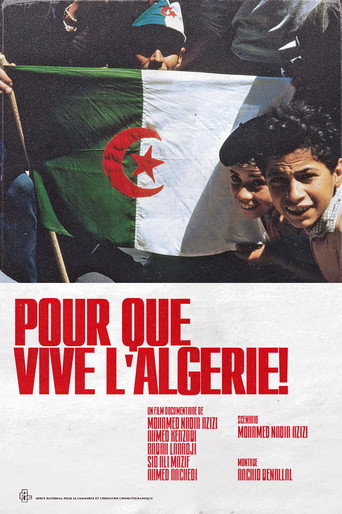
So that Algeria May Live
Collectively made Algerian film.
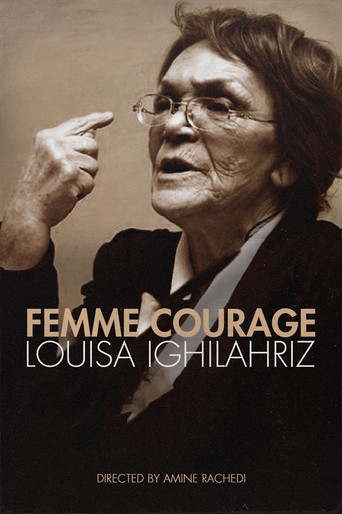
Woman of Courage - Louisa Ighilahriz
The autobiographical account of the tormented life of a witness of the century: Louisa Ighilahriz, activist and leading figure in Algerian independence. A student, she joined the independence struggle at the age of 20, joining the ranks of the FLN on the eve of the Battle of Algiers in late 1956 under the name Lila. She took part in the high school students' strike, then fled into the maquis when she was actively sought after. She was part of the French FLN support network of "suitcase carriers" during the Battle of Algiers. Seriously wounded alongside her network leader, Saïd Bakel, during an ambush in 1957, hospitalized and then imprisoned, she suffered numerous tortures in French prisons. She will be saved from certain death by an anonymous person, she will seek, for forty years, to find him just to show him her gratitude... Emblematic of the painful Franco-Algerian history, Louisa's story is poignant and imbued with humanism.
The Mill of M. Fabre
The story of the post-independence nationalization of the mill of Monsieur Fabre, an old man attached to the land of Algeria where he was born. In this small town in eastern Algeria, there was nothing else to nationalize and they were actively preparing for the arrival of high dignitaries who would elevate the mill to the rank of an industrial flour mill even though it was threatened with ruin. The comedy gets worse when the football player from the local team withdraws for love, the officials' visit is canceled and Mr. Fabre returns.
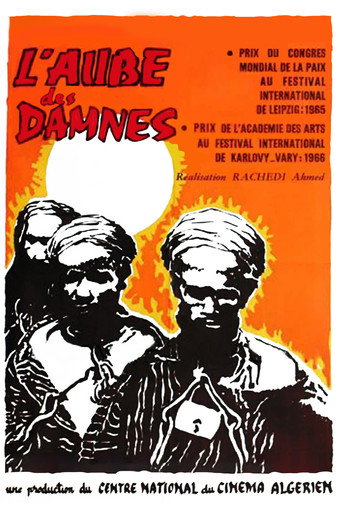
Dawn of the Damned
This excellent feature-length documentary - the story of the imperialist colonization of Africa - is a film about death. Its most shocking sequences derive from the captured French film archives in Algeria containing - unbelievably - masses of French-shot documentary footage of their tortures, massacres and executions of Algerians. The real death of children, passers-by, resistance fighters, one after the other, becomes unbearable. Rather than be blatant propaganda, the film convinces entirely by its visual evidence, constituting an object lesson for revolutionary cinema.
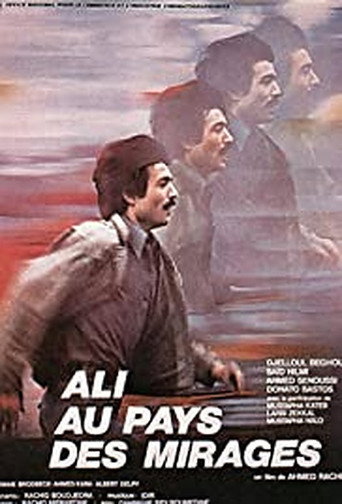
Ali in Wonderland
Ali, an Algerian crane operator, takes with philosophy the bullying suffered by immigrants like him. His existence changes radically the day he wins the lottery.
Gallery