Ahmed Malek Movies, TV Shows, and Filmography
Ahmed Malek
Sound
Biography
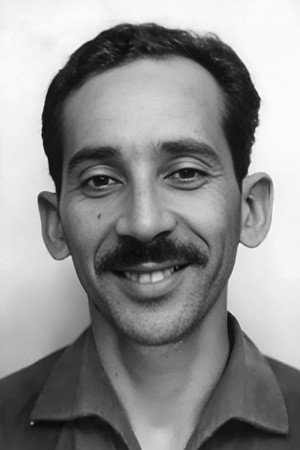
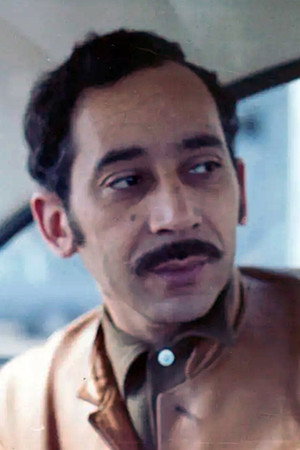
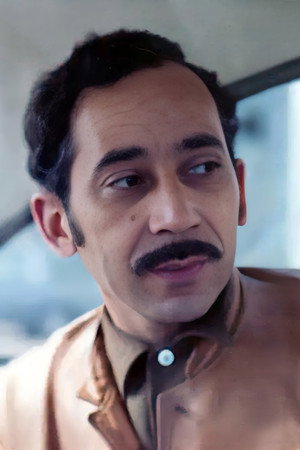
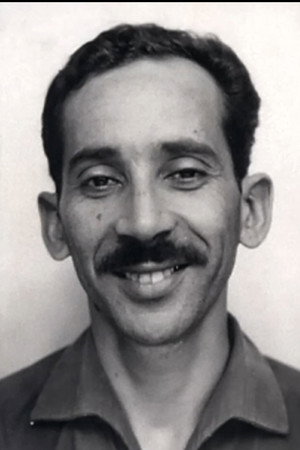
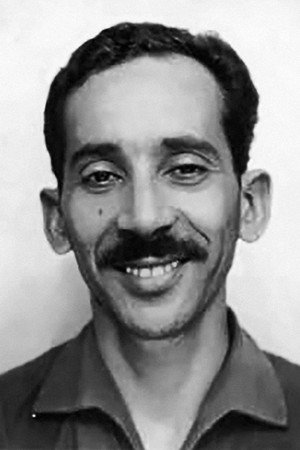
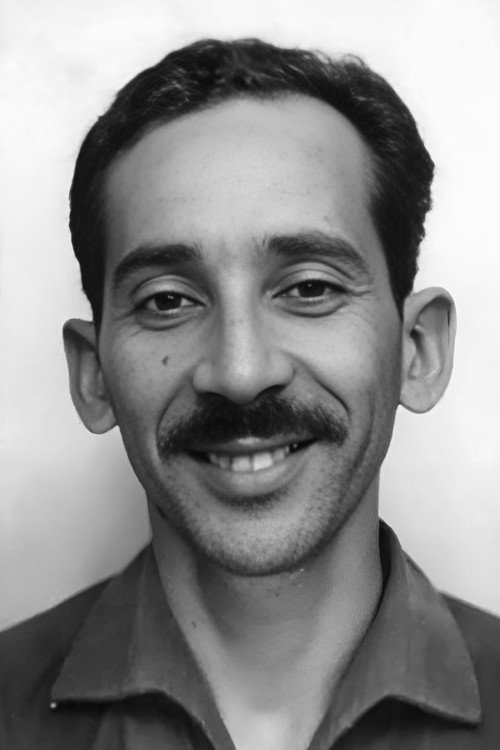
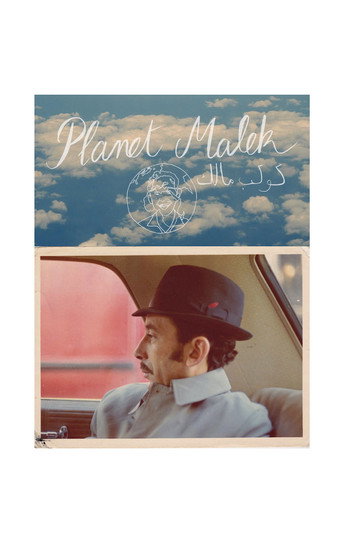
Ahmed Malek (أحمد مالك), born March 6, 1931 in Bordj El Kiffan and died July 24, 2008 in Algiers, is an Algerian artist, musician and composer. Eldest of three brothers and a sister. At a very young age, he began working in factories to help his father provide for the family. Ahmed Malek's mother died when he was 12 years old. It was then that he decided to become a musician. After completing his schooling, he enrolled at the Algiers Conservatory. Very early on, he was recognized by his peers and won numerous international and national awards. The “First Prize for Arts and Letters for Composition”, in 1972, the gold medal at the “Panafrican Festival”, in 1976, and the “National Merit Prize for musical composition”, in 1987. He composed for television shows, documentaries and especially for cinema, film music. He was also interested in the use of new technologies in music (MAO, synthesis, etc.), thus ensuring a link between traditional Algerian music and a more modernist movement. Head of the Algerian Television Orchestra, Ahmed Malek represented Algeria in several international events such as the universal exhibitions of Japan, Canada, Cuba, Spain, in France at the Printemps de Bourges... Ambassador of Algerian culture through the world to represent his country of origin he later taught at the Algiers Conservatory and was the pioneer of electro-acoustic arrangements. By the late 1990s, his health began to deteriorate. Ahmed Malek died on July 24, 2008 at his home in El Mouradia, Algiers, at the age of 76, leaving two daughters Maya and Henya. In 2019 with the help of the musician's family, the German label Habibi Funk decided to reissue, in the form of a compilation, fourteen pieces by Ahmed Malek, including two versions of the theme from "Omar Gatlato" by Merzak Allouache. There will also be themes taken from the soundtrack of "Inspector Tahar's Vacation", the great public success of Moussa Haddad, of "Silence of the Ashes", the unique production of cinematographer Youcef Sahraoui, of "Autopsy of 'Un Plot' by Mohamed Slim Riad and 'Un Toit, Une Famille' by Rabah Laradji. The Algerian Cinematheque in Algiers paid tribute to him with a retrospective in 2021, “Ahmed Malek, the Algerian Ennio Morricone”, and the Museum of Modern and Contemporary Art of Algiers in 2019, “Planète Malek – A Retrospective”: an exhibition archives of composer and musician Ahmed Malek.
Filmography Movies
Production
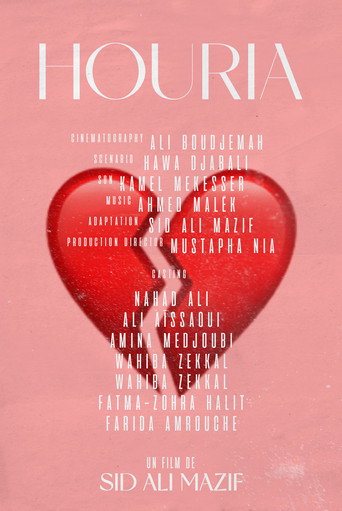
Huria
In the city of Constantine, the thwarted love affair of two students: Houria, fatherless, from a poor and traditional background, and Noureddine, son of a wealthy family influenced by Western lifestyle. Houria's brothers keep a close eye on her and want to marry her off to a first cousin. The young woman runs away and, when she returns home, Noureddine courageously asks her to marry him. But while Houria's family agrees, this time it is the girl who refuses...
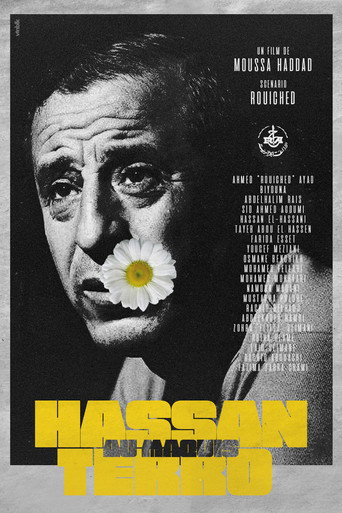
Hassan Terro au Maquis
While trying by all means to stay out of the bloody turmoil caused by the Battle of Algiers, Hassan, an honest and naive family man, is wrongfully accused of terrorism by the French colonial army in "Hassan Terro." After escaping in "The Escape of Hassan Terro," Hassan is forced to join the resistance in "Hassan Terro in the Maquis."
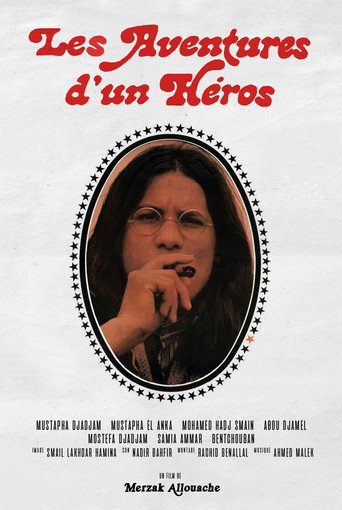
The Adventures of a Hero
In one of the tribes of the Algerian Sahara, everyone awaits the arrival of the hero who will defend the rights of the poor. A man decides one day to put the mark of the "hero" on his newborn son and the whole tribe celebrates the arrival of this eagerly awaited messiah who came to save them. This false hero then grows up by assuming his role of savior. Filled with cynicism, he crosses the countryside and has a number of adventures.
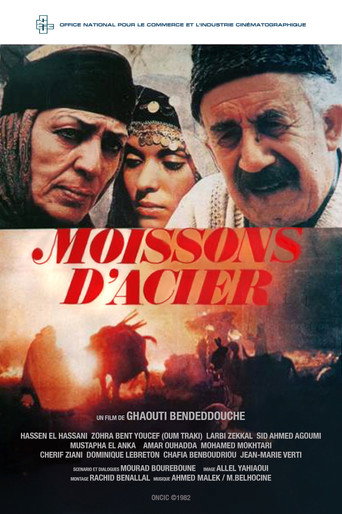
Harvest of Steel
Years after Algeria gained independence, war continues to claim lives in Soulima, a border village surrounded by mines, whose victims are too numerous to count. Despite all these deaths, the inhabitants remain rooted in their ancestral land. Among them stands out the noble figure of Zohra, who seems to be the soul of the village...
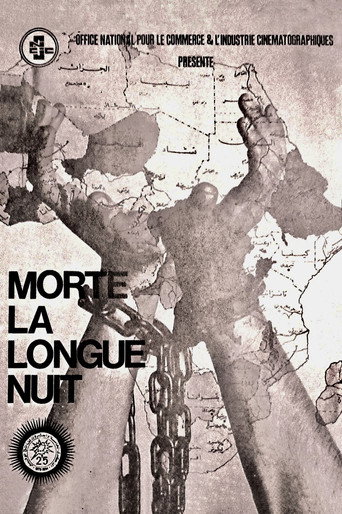
Dead the Long Night
Composed of archive images narrated by the writer, anthropologist and linguist Mouloud Mammeri, the film offers a reflection on the anti-colonialist and anti-imperialist struggle movements of the 1970s around the world.
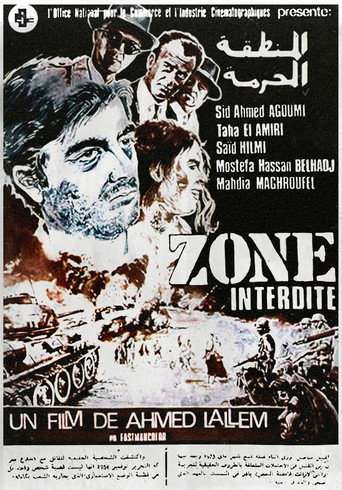
Forbidden Zone
A revolutionary militant is killed during the repression of May 1945. His son, who is unaware of the real circumstances of the murder, ends up being attached to the ideal for which his father died.
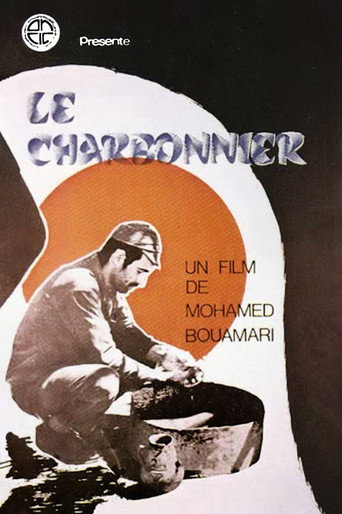
The Charcoal Maker
Film describes the miserable existence of a charcoal-burner who is barely able to feed his family. His search for work in town ends in failure and he is forced to return to his village.
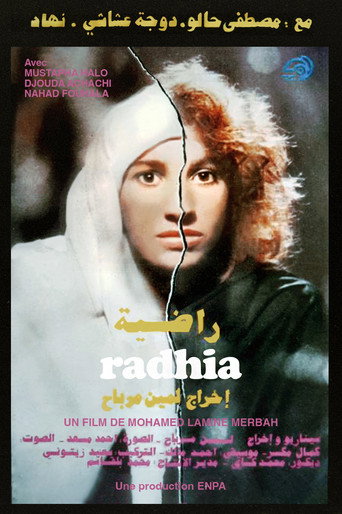
Radhia
The story of a family divided ideologically and politically in Algeria in the 1990s, under the helpless gaze of the mother, played by the brilliant Doudja Achachi, the bearer of centuries-old traditions.
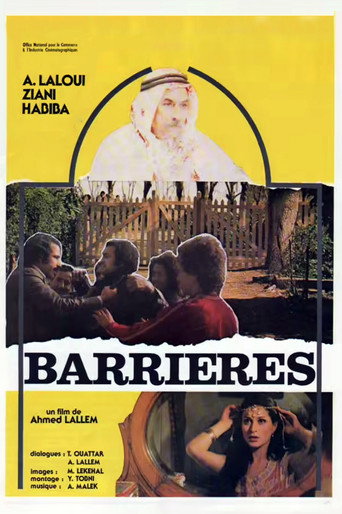
Barrières
Tahar, son of a wealthy family, is trying to preserve his privileged status despite the social changes brought about by the revolution. Tinted with historical symbolism, the film tells of the disaggregation of a feudal family when the father died.
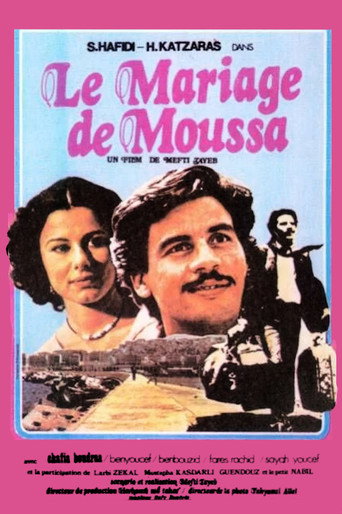
Moussa's Wedding
Moussa, a young Franco-Algerian, returns to Algeria, but adapting to life in his country of origin proves difficult. Just as he is about to leave for France, he is called up for military service, which suits him fine because he is secretly in love with the beautiful Nacira.
Gallery