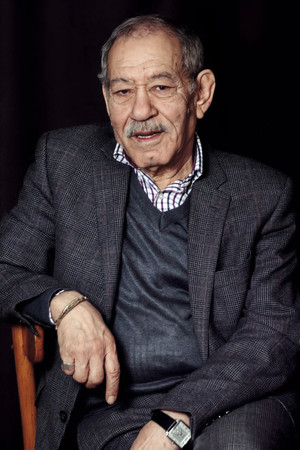
Ahmed Benaissa Movies, TV Shows, and Filmography
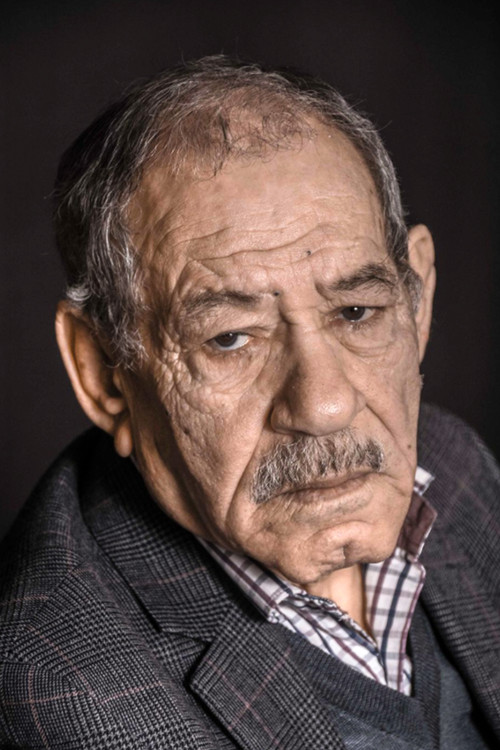
Ahmed Benaissa
Acting
Biography
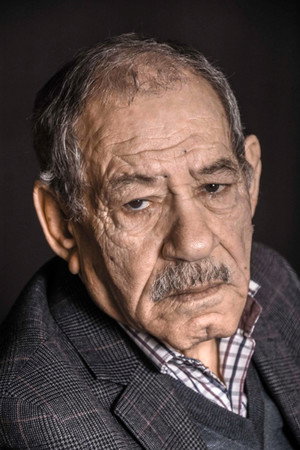
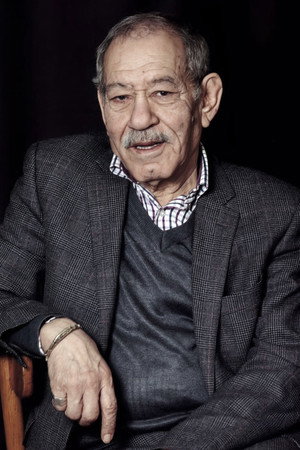
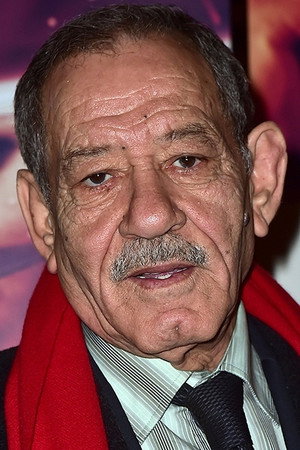
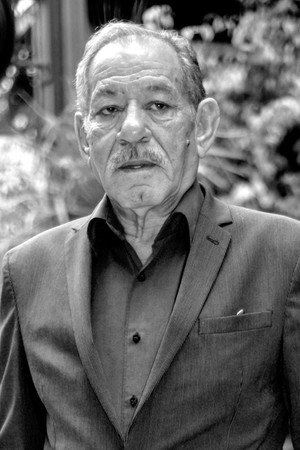
Ahmed Benaïssa (in Arabic: أحمد بن عيسى), born March 2, 1944 in Algiers and died May 20, 2022 in Cannes, is a Franco-Algerian actor. As a child, Ahmed Benaïssa was fascinated by the religious festivals of Nédroma where he spent his summer holidays and at the age of 9, in Mazouna, he played in front of another kid's 9.5mm camera for 1mn30! The magic of the show leads him to make his own cinema with cardboard. He joined his father in Paris who had retreated there after his release following independence activities in Algeria. In Oise, at the college boarding school, he became a designated projectionist. In 1960-61, he was in Lyon, aged 17, and frequented the local artistic scene at the Théâtre de la Cité. There he attended the Al Capone show, directed by Planchon. It's dazzling. When Algeria gained independence in 1962, the Lyon consulate included him in an animation course for compatriots from Algeria, then returned to Algeria, to Sidi Bel Abbès, where he entered the conservatory municipal then led by Saïm El Hadj. In July 1964, on a family visit to Algiers, he convinced Bénaïssa Boudia and Mustapha Kateb to join a training course for conservatory graduates at the initiative of the TNA (Algerian National Theater). After six months of training, he was ranked first in each discipline. Its first distribution was under the leadership of Alloula in 1966/67 in Monnaies D’Or. It will be breathtaking there. The TNA sent him to an advanced training course in France, then he moved on to the International Theater Institute. In 1968, he was in the Perennetti and Jean Marie Serreau troupe touring across Europe. Bulimic, he will do café theater and cinema. In 1971, he returned to Algeria, and discovered a theater in decline, emptied of its substance and devoted to propaganda. He distanced himself after three years on stage, and headed towards cinema, then in full development in Algeria. For ten years, he appeared on the big and small screens. In 1985, he returned to the theater, then in a context of "text crisis" like the country at that time. He became a director, first of a children's theater with a superb Kalila or Dimna. In 1996, he directed the Sidi Bel Abbès Theater, then in a lethargic situation since Kateb Yacine was no longer there. He injects new blood with talented young local artists: Abbar Azzedine, Yahia Benamar, Niddal el Mellouhi and others. He will return to TNA. His most beautiful creation was El Maghara El Mounfajira in 2007 based on La Grotte Éclatée by Yamina Méchakra adapted by Haïder Benhassine. Over two decades, he put on shows where he trained comedians in the acting profession. In the cinema, in France and in Europe, we continue to call on Ahmed for his "mouth", his precision and his talent. On May 20, 2022 at 4:30 a.m., Ahmed Benaïssa died at the age of 78, in full promotion of the film Goutte d'or at the 2022 Cannes festival, of a pulmonary embolism in his sleep in a hospital in Cannes where he had been evacuated after feeling unwell. He is buried in the El-Alia cemetery in Algiers.
Filmography Movies
Acting
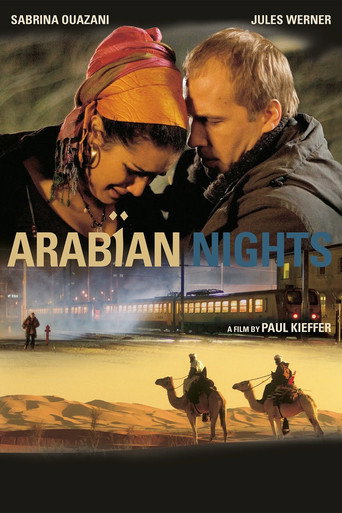
Arabian Nights
Georges's life is turned upside-down when he meets Yamina and decides to help her. While she seems to be persecuted and living in hiding, Georges's reality is rooted in a daily routine without any surprises. Yamina's stories fascinate him: her happy childhood under the rhythm of a song, the massacres in the 1990s in the Great South, as well as her difficulties in Algeria and then in France. Georges spends more and more time with Yamina and is totally disorientated the day she disappears without a word. As his search for her unfolds, Georges realizes that he knows nothing about her and that every person he meets who knew Yamina seems to have a different version of the young woman's life. Convinced that he must go to Algiers to save her, Georges abandons everything and sets out on a journey without any concrete destination. His quest finally leads him to an oasis in the Sahara, a desert that spreads as widely as this love story between Bonnevoie and Tabelbala.
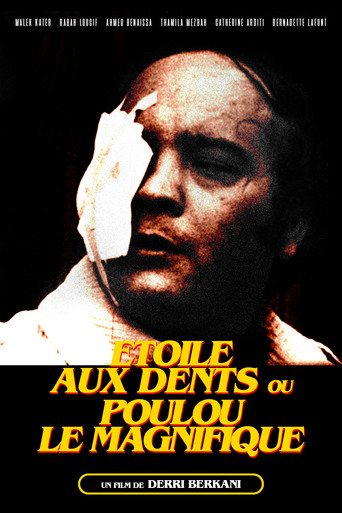
Étoile aux dents ou Poulou le magnifique
In the 70s, in the Goutte d'or district, three friends of Algerian origin: Poulou, a failed boxer, Amar, the clumsiest of thieves, and Jibé, a public writer for illiterate compatriots whose lives he knows in detail. As he betrays none of their secrets, he enjoys great prestige in the bistros where he works. The three of them lead a casual life, raising money by illicit means. It's only when Poulou and Amar leave that Jibé understands his isolation and marginalization. The images as well as the sounds help to reinforce the feeling that Paris is a city where he is both at home and a terrible stranger.
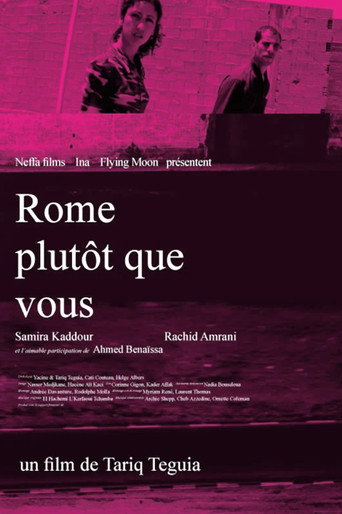
Rome Rather Than You
"For more than ten years, Algeria has been living a slow war, a war without a front line but having caused more than 100,000 deaths. It is this desert that Zina and Kamel – two young Algerians sometimes hallucinated and joyful, sometimes dejected and serene – will want to travel one last time before leaving it for elsewhere. Road Movie on the territories of a city, Algiers whose construction sites are in decline. Roma wa la n'touma will show that fleeing abroad is not is not a refusal of combat, but an obscure struggle against assignment. Tariq Teguia
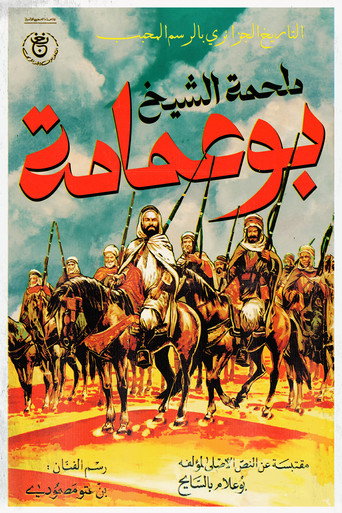
The Epic of Cheikh Bouamama
The story of the film revolves around the epic of Sheikh Bouamama, a leader of the national resistance in Algeria during the French colonial era. The events are taking place in southwestern Algeria. The film also tells about different stages of the resistance, especially about one of the uprisings of the Algerian people, namely "the battle of the sons of Sidi Sheikh Bouamama", in which French General Leuti was appointed to try to suppress and end this resistance.
Rumeur, etc.
Bachir, twenty-five, is looking to leave, perhaps to France. He waits every morning for the postman to come. The visa response is slow in coming. Bachir is bored, going around in circles. A rumor then fills this void: the possibility of changing the weekend. Saturday-Sunday is supposed to replace Thursday-Friday.
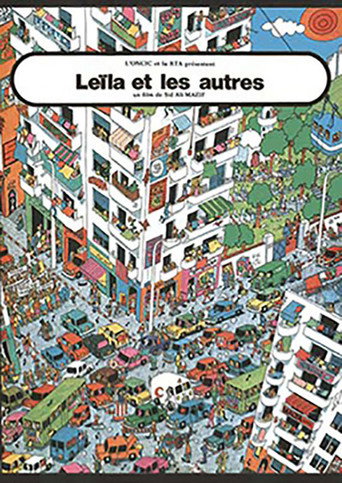
Leila and the Others
The story of Algerian women trying to live in 1970s Algeria where the society is between conservative values and progressive modern Algeria.
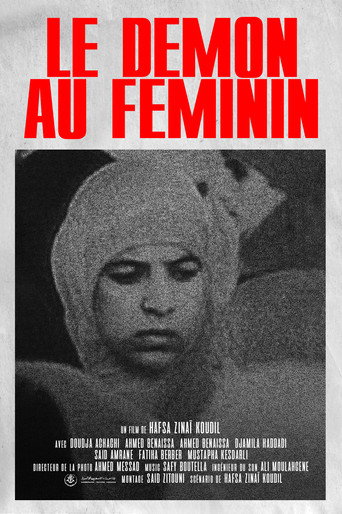
The Female Demon
In Algeria, in 1991, amid the rise of fundamentalism, Ali, a family man, allows himself to be influenced by three extremists and drags his wife into a nightmare. For fundamentalists, "demons" can nestle within women, so they must be exorcised of this "diabolical" presence.

Ismael's Ghosts
Just as the disheveled and alcoholic filmmaker Ismaël embarks on a difficult new film project, his life is sent into a tailspin. His wife Carlotta, presumed dead for 20 years, come crashing back into his life creating chaos in his work and his current romantic relationship with the starry-eyed astronomer Sylvia.
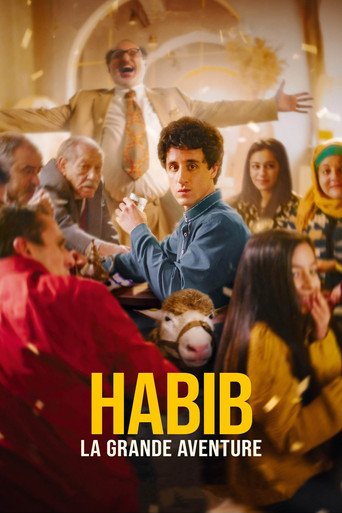
Habib
The story of a young Belgian actor of Moroccan origin who agrees to play the role of Saint-François-d'Assise to put an end to the roles of nice Arabs that are stuck on his forehead in often mediocre films. Getting into the historical figure will represent a real challenge for him; when his father, settled in Morocco, suddenly returns to Brussels with a new wife, and the beginnings of Alzheimer's, he finds himself having to juggle between the expectations of his colleagues and his family.
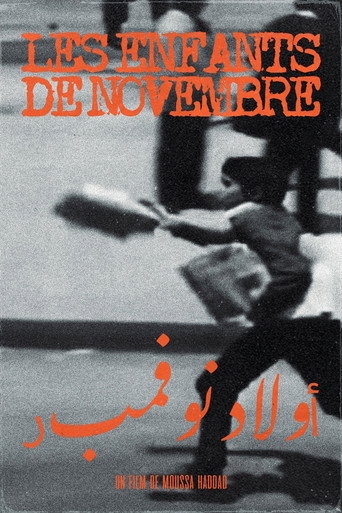
Les Enfants de Novembre
In the streets of the Casbah of Algiers, an FLN fighter pursued by the colonial police hands over confidential documents to Mourad, an Algerian child shouting newspapers who must at all costs pass them on to the resistance. But the police are on their trail and will do anything to get them back.
Gallery