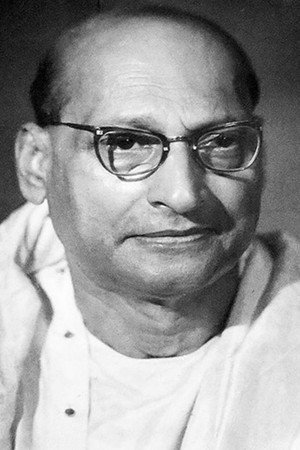
Ahindra Choudhury Movies, TV Shows, and Filmography
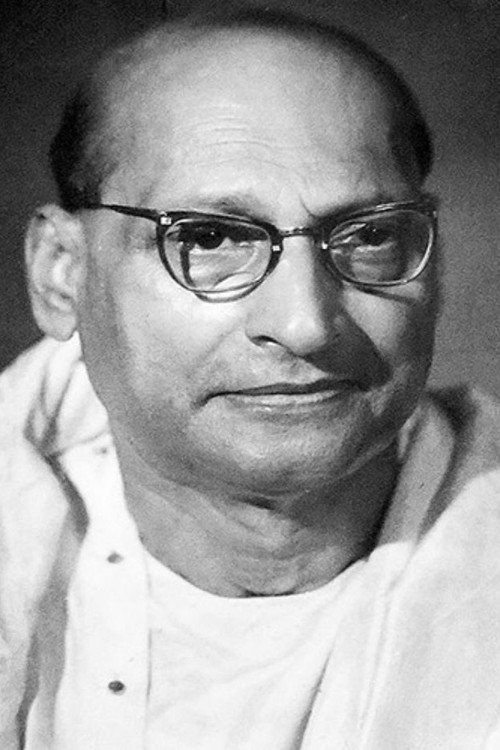
Ahindra Choudhury
Acting
Biography
Ahindra Choudhury (1896-1974) was an Indian actor, director, theatre personality, and co-founder of Photo Play Syndicate, a Kolkata-based art organization for bioscope shows. A winner of the Sangeet Natak Akademi Award in 1958, Choudhury was honored by the Government of India in 1963 with the Padma Shri, the fourth-highest Indian civilian award, for his services to the nation. His foray into the movie world was in 1931 with Hrishir Prem, a Jyotish Bandopadhyay film. He retired from acting with Shahjahan, a drama staged on 11 September 1957 at Minerva Theatre, Kolkata. Years later, he appeared in one more film, Shravan Sandhya, in 1974.[8] He acted in 89 films, wrote a screenplay for his maiden venture, Soul of a Slave, and directed two films.
Filmography Movies
Acting
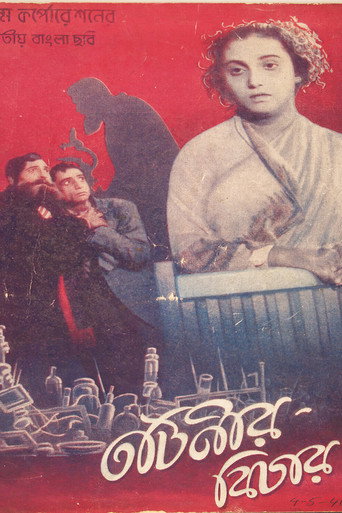
Tatinir Bichar
Four sets of friends spend Halloween weekend at the Beautiful Creekside "Kamp of Antietam". Each attending is promised a "Once In A Lifetime" experience, but there's more than just fresh air and fishing going on at the K.O.A.

Burmar Pathe
The rustic girl left this world and went to heaven. Her Painful memories are what remains behind. The injustice exploitation is suffocating. These conflicts within the unfortunate soil of India have taken many lives. There’s cruelty amongst mankind. There’s injustice and exploitation everywhere. People struggle for their rights. There’s a storm raging in every heart and soul. The earth shivers and wreaks havoc. The raging waves clash on the shores. This enlightens the soul. We can hear the song of a great soul at a distance. It calls out. It calls out to us, to break free from the shackles. We can hear his call. Come Forward. Break free from the shackles. Fight back for freedom. Set yourself free. We’ve sacrificed our lives for the freedom of new India.
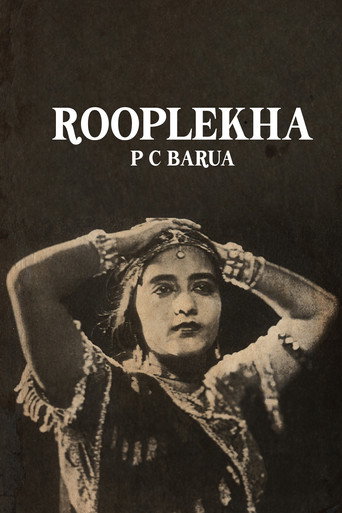
Roop Lekha
For the first time in Indian cinema, flashback was used for storytelling.
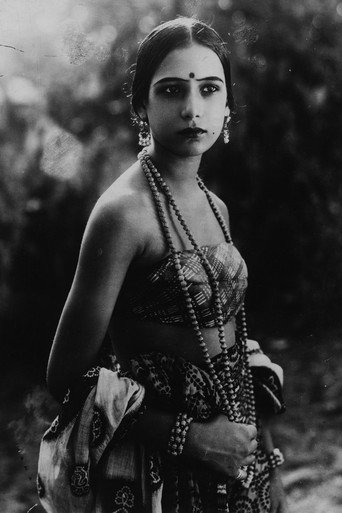
Durgeshnandini
Durgeshnandini is a sweeping historical drama set against the backdrop of 16th-century India. This epic tale follows the intertwined destinies of Jagat Singh, a Mughal general, and Tilottama, a Bengali princess. Their love story unfolds amidst the turbulent Pathan-Mughal conflicts, leading to a series of dramatic events, including betrayal, loss, and ultimate triumph.

Michael Madhusudhan
The life of renowned Bengali poet Michael Madhusudan Dutta.

Dakshayagna
Dakshayagna is a pivotal tale in Hindu mythology. It recounts the grand sacrifice ritual organized by Daksha, where his daughter Sati, wife of Lord Shiva, tragically immolates herself due to her father's insult to her husband. Enraged by this, Shiva destroys the sacrifice, leading to the creation of the Shakti Pithas. This event also sets the stage for the reincarnation of Sati as Parvati, who later marries Shiva. The story is central to understanding the complexities of Hindu deities and their interactions.
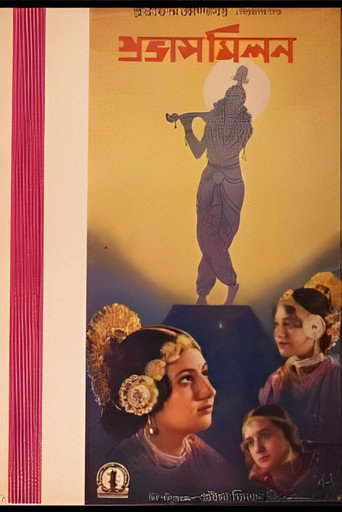
Prabhas Milan
A timeless tale of love and devotion, Prabhas Milan transports viewers to ancient India. Set centuries after Krishna departs from Brindavan, the film explores the longing of Radha and the celestial drama that unfolds when Krishna promises his queen, Satyabhama, a divine Parijat tree. As jealousy and divine intervention intertwine, the epic culminates in a poignant reunion between the eternal lovers, Krishna and Radha.
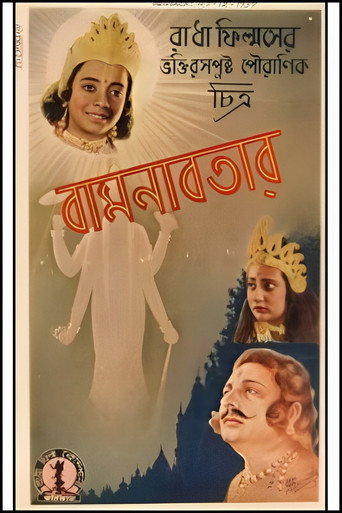
Bamanabatar
A 1939 Mythological Bengali Drama film directed by Hari Bhanja.

Uttarayan
A 1941 Bengali film directed by Pramathesh Barua; the film was remade in 1963.

Shesh Uttar
The wealthy, self-obsessed, and possibly crazed Manoj (Barua) is sent by his concerned family to the rural estate of his future father-in-law. Along the way, however, he gets lost and soon finds himself taking shelter in the abode of the railroad stationmaster whose beautiful, down-to-earth daughter, Meena (Kenan Devi), Manoj finds irresistible. When his haughty, progressive-minded fiancée gets wind of this, she freaks out and soon there is a showdown between the two women. In the aftermath, Manoj finds reason to go with his heart and marry Meena.
Gallery