Agnes de Mille Movies, TV Shows, and Filmography
Agnes de Mille
Acting
Biography
From Wikipedia Agnes George de Mille (September 18, 1905 – October 7, 1993) was an American dancer and choreographer. De Mille began her association with the fledgling American Ballet Theatre (then called the Ballet Theatre) in 1939, but her first significant work, Rodeo (1942) with the score by Aaron Copland, was staged for the Ballet Russe de Monte Carlo. Although de Mille continued to choreograph nearly up to the time of her death—her final ballet, The Other, was completed in 1992—most of her later works have dropped out of the ballet repertoire. Besides Rodeo, two other de Mille ballets are performed on a regular basis, Three Virgins and a Devil (1934) adapted from a tale by Giovanni Boccaccio, and Fall River Legend (1948) based on the life of Lizzie Borden. On the strength of Rodeo, de Mille was hired to choreograph the musical show Oklahoma! (1943). The dream ballet, in which dancers Marc Platt, Katherine Sergava, and George Church doubled for the leading actors, successfully integrated dance into the musical's plot. Instead of functioning as an interlude or divertissement, the ballet provided key insights into the heroine's emotional troubles. De Mille went on to choreograph over a dozen other musicals, most notably Bloomer Girl (1944), Carousel (1945), Brigadoon (1947), Gentlemen Prefer Blondes (1949), Paint Your Wagon (1951), The Girl in Pink Tights (1954), Goldilocks (1957), and 110 in the Shade (1963). De Mille's success on Broadway did not translate into success in Hollywood. Her only significant film credit is Oklahoma! (1955). She was not invited to recreate her choreography for either Brigadoon or Carousel. Nevertheless, her two specials for the TV series Omnibus, "The Art of Ballet" and "The Art of Choreography" (both televised in 1956), were immediately recognized as landmark attempts to bring serious dance to the attention of a broad public. Her love for acting played a very important role in her choreography. De Mille revolutionized musical theatre by creating choreography which not only conveyed the emotional dimensions of the characters but enhanced the plot. Her choreography, as a reflection of her awareness of acting, reflected the angst and turmoil of the characters instead of simply focusing on a dancer's physical technique. De Mille married Walter Prude on June 14, 1943. They had one child, Jonathan, born in 1946. Her hobbies included collecting fine porcelain and research on the history of clothes, something at which she was an expert. She suffered a stroke on stage in 1975, but recovered. She died in 1993 of a second stroke in her Greenwich Village apartment.
Filmography Movies
Acting
Martha Graham: The Dancer Revealed
Released on DVD as part of The Criterion Collection's "Martha Graham: Dance on Film" collection.
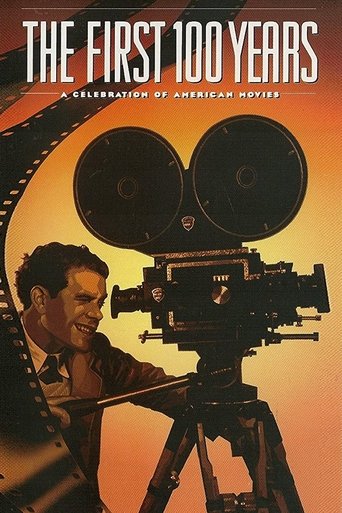
The First 100 Years: A Celebration of American Movies
Based on the first centenary of the largest exporter of films in the world, that is Hollywood, is the story told by its protagonists, actors and writers and other people who made life in this business, interspersing images of famous movies.
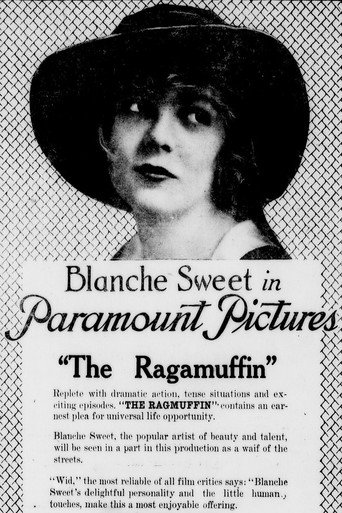
The Ragamuffin
In planning to break into the house of the wealthy Bob Van Dyke, Jenny's stepfather decides that his stepdaughter should do most of the dirty work, and Jenny, not wanting to disappoint him, grudgingly agrees. As soon as she enters the house, Bob catches her, but then goes back to his bedroom after making her give her word not to take anything. Jenny breaks her promise...
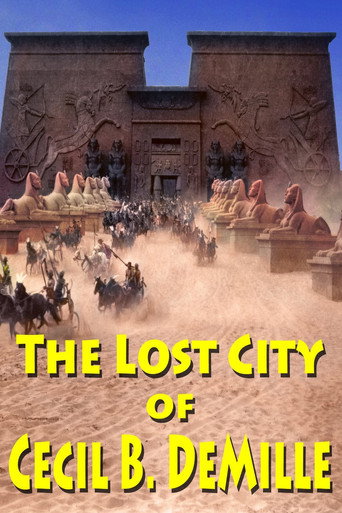
The Lost City of Cecil B. DeMille
Filmmaker Peter Brosnan digs up the set of the 1923 film 'The Ten Commandments', long buried in the sands of California's Central Coast.

Musical Comedy Tonight
First of three programs about musical theatre hosted by writer-composer-lyricist Sylvia Fine.
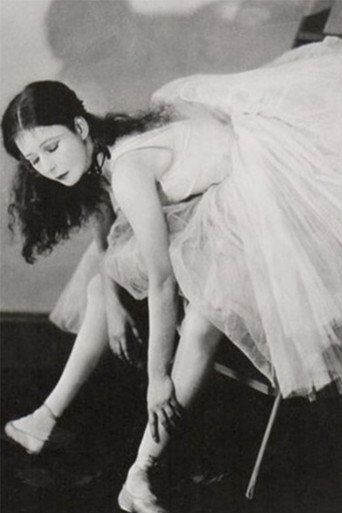
Agnes: the Indomitable De Mille
Documentary on the life and career of choreographer Agnes de Mille, narrated by herself, with excerpts from her dance works throughout the program.
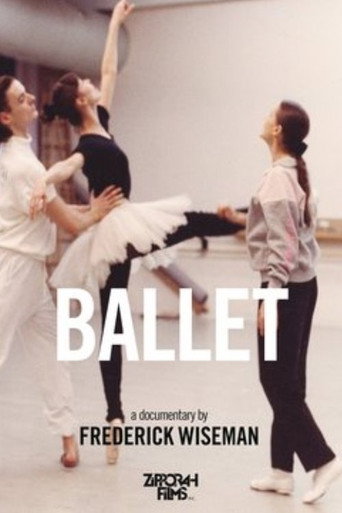
Ballet
Ballet portrays rehearsals, choreography, performances, business transactions, and other day-to-day life of the American Ballet Theatre. Much of the footage dates from the 1992 season. It also includes scenes from the company's European tour, namely in Greece and Copenhagen.
World's Young Ballet
In 1969, the Moscow International Competition of Ballet Artists played host to some of the dance world's most legendary names. Twenty-one-year-old Mikhail Baryshnikov performs "La Bayadere" and a solo from Leonid Jakobson's "Vestris," while Ludmila Semenyaka dances a scene from "Giselle" and a modern jazz piece. Judging the competition are dance notables Agnes DeMille and Alicia Alonso and composer Aram Khachaturian.
Production
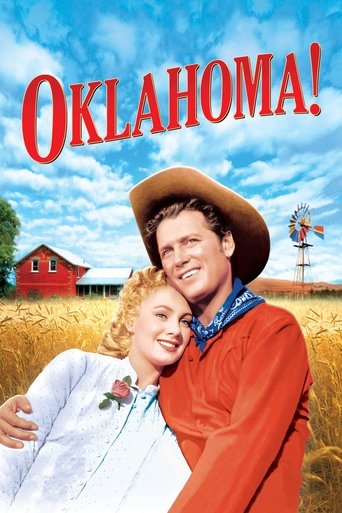
Oklahoma!
In the Oklahoma territory at the turn of the twentieth century, two young cowboys vie with a violent ranch hand and a traveling peddler for the hearts of the women they love.
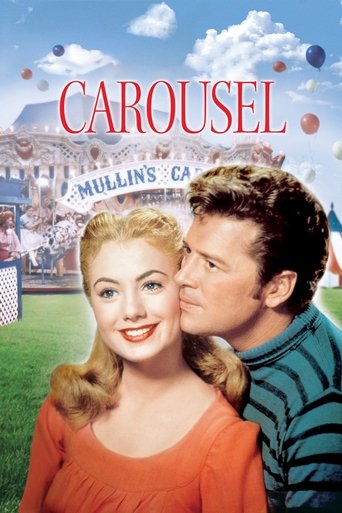
Carousel
Billy Bigelow has been dead for 15 years. Now outside the pearly gates, he long ago waived his right to go back to Earth for a day. He has heard that there is a problem with his family: namely with his wife Julie Bigelow, née Jordan, and his child he hasn't met. He would now like to head back to Earth to assist in rectifying the problem; but before he may go, he has to get permission from the gatekeeper by telling him his story. Adapted from the Rodgers and Hammerstein hit Broadway musical.
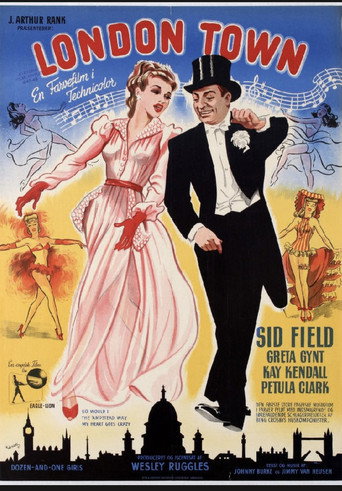
London Town
Veteran music-hall entertainer Jerry Stanford a washed-up comedian hopes to stage a comeback in a glittering new revue. Alas, Stanford is hired as merely an understudy and bit player. His faithful daughter pulls a few fast ones in order to get her dad back on stage in a starring role....
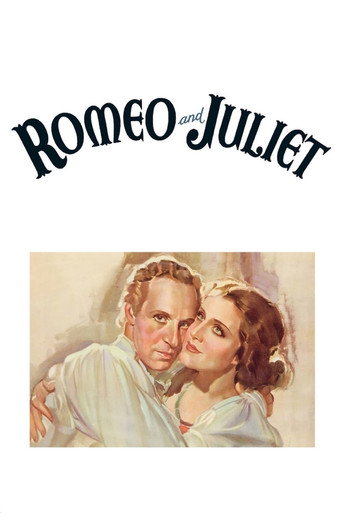
Romeo and Juliet
Young love is poisoned by a generations long feud between two noble families.
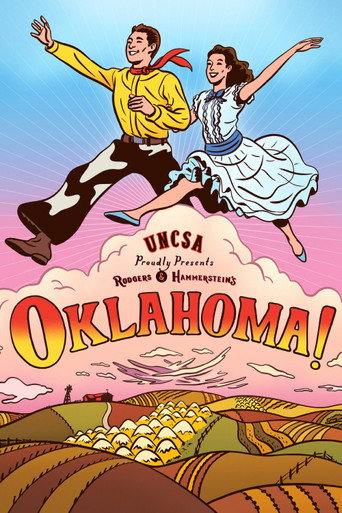
Oklahoma!
Set in the Oklahoma territory in the early 1900s, this musical tells the story of two pairs of lovers. Curly is a cowboy who has trouble admitting his feelings to Laurey, as she does to him, because of their stubbornness. Judd, the hired hand at Laurey's farm, tries to come between them. Ado Annie is torn between Will, a cowboy who has strong feelings for her, and Ali Hakim, a peddler who's a ladies' man and doesn't want to marry her. The University of North Carolina School of the Arts' production of Rodgers & Hammerstein's Oklahoma!, staged in early 2011, uses the original 1943 set and costume designs, dance choreography, and orchestrations.
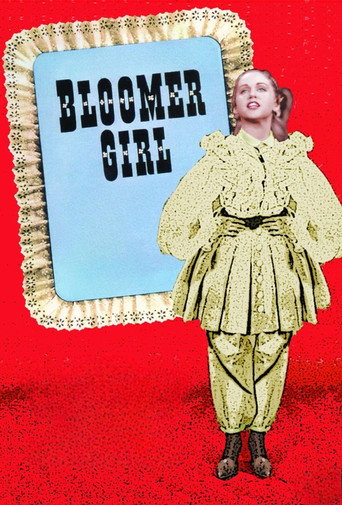
Bloomer Girl
In 1956, BLOOMER GIRL was presented in a live television production starring the magnificent Barbara Cook, whose star was then on the rise, with leading roles in CANDIDE and THE MUSIC MAN still in her future. A solid success when it opened on Broadway in 1944, BLOOMER GIRL boasts a glorious score by the legendary team of Harold Arlen and E.Y. Harburg (THE WIZARD OF OZ). The book by Fred Saidy is set at the brink of the Civil War and addresses issues of women's equality (priorities were the right to vote and to wear bloomers, a liberating alternative to hoop skirts) and racial equality.
Sebastian
An American Ballet Theatre Workshop production, filmed in rehearsal onstage at Phoenix Theatre, New York City, Spring, 1957.