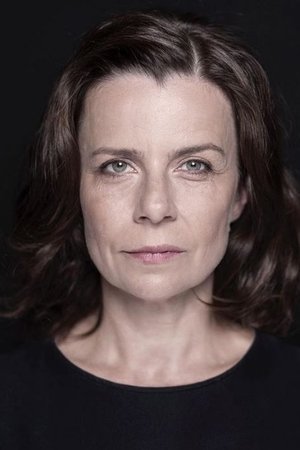
Agata Kulesza Movies, TV Shows, and Filmography
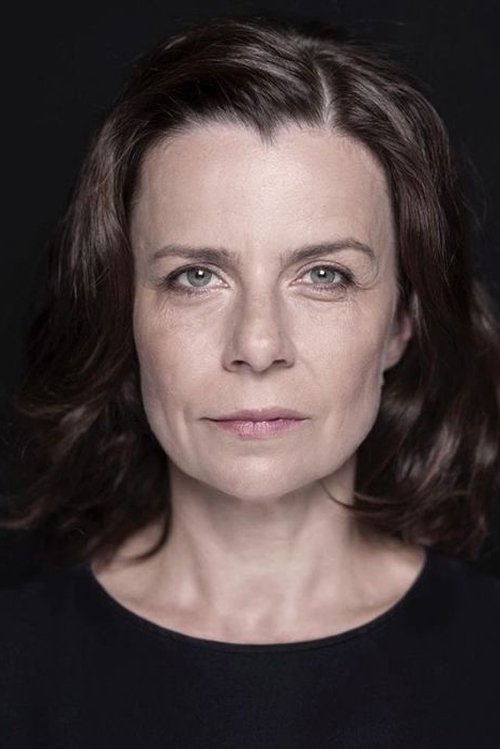
Agata Kulesza
Acting
Biography
From Wikipedia, the free encyclopedia Agata Kulesza (Polish pronunciation: [aˈgata kuˈlɛʂa]; born 27 September 1971) is a Polish film, television and stage actress, and a member of the Polish Film Academy. In 2013 she appeared in the critically acclaimed Ida. She was a contestant in season eight of Taniec z gwiazdami (English: Dancing with Stars) in 2008. She gained wide popularity in mass media after winning the competition. Kulesza was also the first winner of the show who donated the prize to charity.
Filmography Movies
Acting
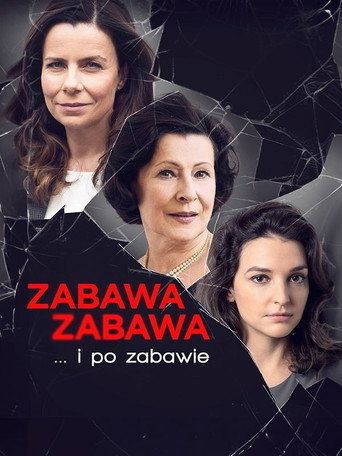
Playing Hard
Stories of three women struggling with alcohol. Dorota is a great prosecutor. Using her immunity, she tries to avoid responsibility for her offenses committed under the influence of alcohol. Her husband, a famous politician, helps her keep the problem secret and rescues her from many troubles but he slowly loses patience. A respected children surgeon Teresa has lost her family due to drinking problem, all she is left with is her job at the hospital where she is the main doctor. The situation goes out of control when the woman comes drunk to the hospital. A student, Magda, likes to party hard and because she is a good student and has a great job, no-one opposes that. At one moment, the girl loses control. A tragedy happens.
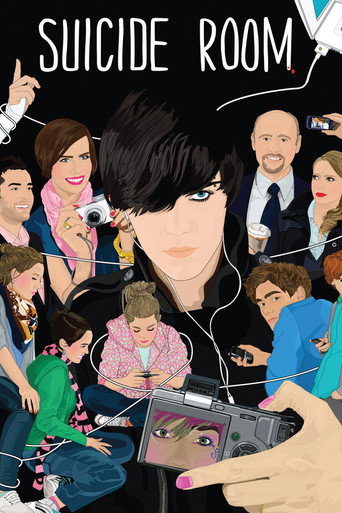
Suicide Room
Moody, dark and handsome Dominik is terrorized at school after video footage of his drunken kiss with classmate Aleksandr goes viral. Grappling with public humiliation, Dominik seeks solace in an avatar based 'suicide room' where the pink-haired rebel Sylwia consoles him.
Green Border
In the treacherous and swampy forests that make up the so called “green border” between Belarus and Poland, refugees from the Middle East and Africa trying to reach the European Union are trapped in a geopolitical crisis cynically engineered by Belarusian dictator Alexander Lukashenko. In an attempt to provoke Europe, refugees are lured to the border by propaganda promising easy passage to the EU. Pawns in this hidden war, the lives of Julia, a newly minted activist who has given up her comfortable life, Jan, a young border guard, and a Syrian family intertwine.
Poznań 56
The film depicts the momentous and tragic history of the Poznan uprising of 1956. The memory of the director, who was a nine-year-old boy at the time, is the only canvass of the script. The main characters of the black-and-white film are two boys aged ten and twelve. From their perspective, the viewer follows the development of events. From the depths of the gates, through the rails of fences and cluttered backyards, through the eyes of the children we watch the street riots. The film, without action in the literal sense of the word, was made using a reportage technique that perfectly captures the spontaneity of the Poznan uprising. Among other things, the author of the picture depicts the adventures of a young worker Zenek, who becomes the unwitting leader of the protest, and five professors, who by chance find themselves in the very center of events.
Rose
This harrowing tale of survival centers on Rose, a Masurian woman, whose German soldier husband was killed in the war, leaving her alone on their farm. A single woman had no defense against Russian soldiers who raped as a form of revenge, nor against plundering Poles who found themselves in desperate straits. Help arrives for Rose in the form of Tadeusz, a former officer in the Polish Home Army who deserted after he saw his wife raped and murdered by Russian troops and is attempting to hide his identity.
Przedwiośnie
Polish-born Russian subject Cezary Baryka comes of age during a tumultous period of ten years from 1914 to 1924, during which he witnesses revolution, rebirth of Poland, war with the Soviets and communist plots.
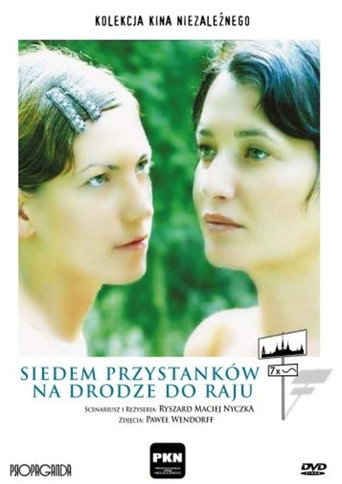
Seven Stops on the Way to the Paradise
The story of two very close lesbian friends: Małgosia and Mariola. One day, Małgosia learns that she is terminally ill. Together with her friend, she goes to a sanctuary famous for miracles. Along the way, they see the figures of the seven deadly sins and a number of characters from the New and Old Testaments. As the plot unfolds, the viewer learns that the whole journey is not real, but takes place only in the imagination, the inner space of the characters.
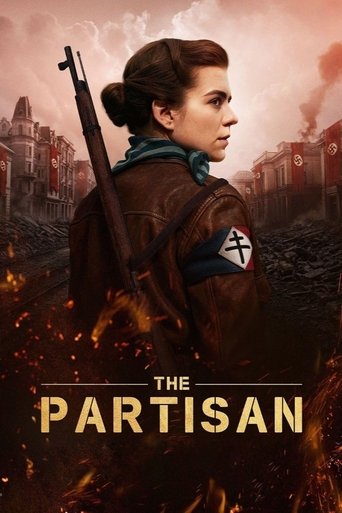
The Partisan
A Polish spy working for the British during World War II is betrayed and compromised in Warsaw, leaving her no other choice but to descend into a dangerous world of treachery and deception in order to survive.

Traffic Department
Seven policemen, seven deadly sins, a murder case, secrets and the filth of everyday police work: Traffic Department transports the viewer into the darkest Warsaw streets.
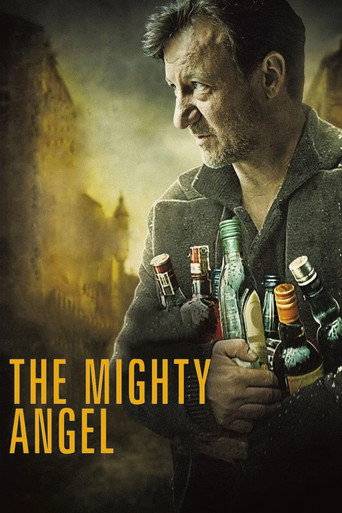
The Mighty Angel
Jerzy is a writer and a heavy drinker. We meet him at the point when he believes that he can beat his addiction. He falls in love with a young girl and finally feels that he has got the person and the reason to live for. But soon he yields to his addiction.
Gallery