Camera
No biography available.
A short documentary on how the films "Libertários" and "Chapeleiros" are connected to the "Projeto Imagens e Histórias da Industrialização no Brasil" created by the Campinas State University.
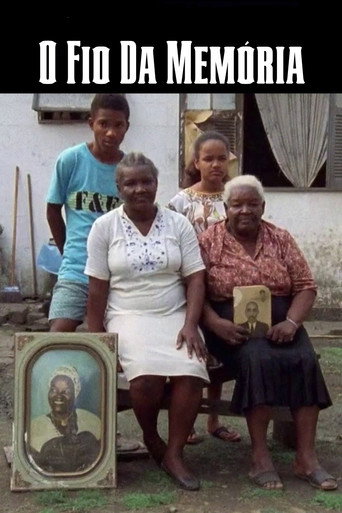
A panorama of the Brazilian black experience, starting with the figure of the semi-illiterate popular artist and employee of a salt mine Gabriel Joaquim dos Santos.
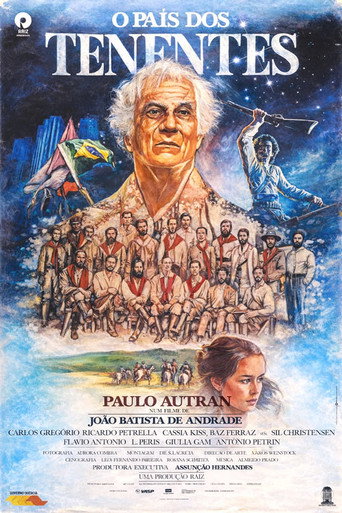
With death getting near, a retired officer remembers the most important passages in his life and his participation in historical events in Brazil, such as the Lieutenants' Movement, and the 1964 coup.
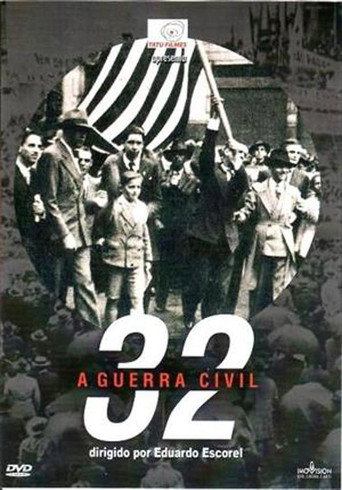
For the people of São Paulo, in the early 1930s, Getúlio Vargas's Provisional Government had become a dictatorship. The civil war lasted three months. The conflict resulted in approximately 800 fatalities.
Three brothers find themselves sharing a home with the alluring new wife of the middle sibling. As they become infatuated with the same woman, a complex and enthralling tale ensues in this tropical paradise.
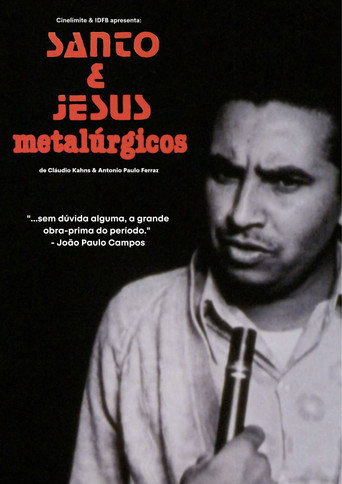
From its very title, Cláudio Kahns and Antônio Paulo Ferraz's Santo e Jesus, Metalúrgicos is crystal clear about where it stands and about its messianic flair. Through a wordplay with the religious connotation of the names of the two men, murdered during the worker strikes of the late 1970s in São Paulo, it associates sainthood and Christ himself with the working class. That association is reaffirmed throughout the film, from the very beginning, including by a priest. The martyrdom of metalworkers Nelson Pereira de Jesus and Santo Dias da Silva is the starting point to denounce the working conditions faced by factory workers, and the repression which ensues whenever they try to resist them. However, the film also presents us with the 'official' version of the facts, going so far as to feature interviews with the man who killed Nelson. Obviously, it sides with the workers, as it conveys the strength of the oppressed and the impudence of the oppressors.
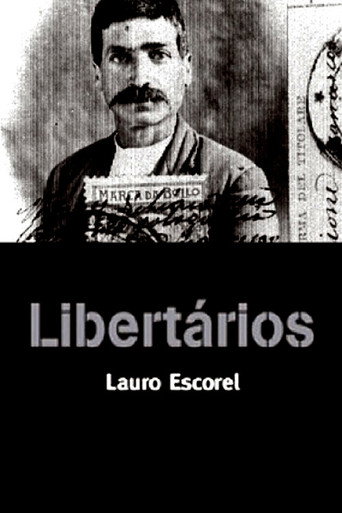
A documentary about the history of the anarchist-led workers' movement in Brazil. It shows the transformation of immigrants into the first urban workers and chronicles the most important strikes, the successes and defeats of the movement, from the end of the 19th century until 1922.
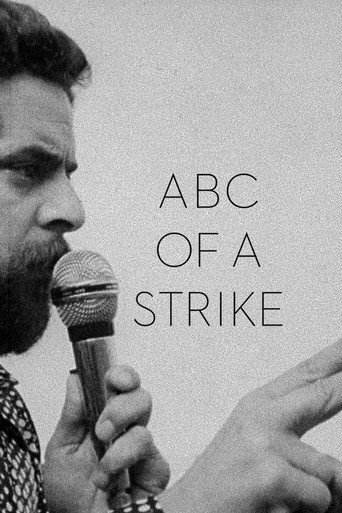
ABC of a Strike captures the 1979 metal workers strikes outside of São Paulo. The footage sat untouched until after the death of highly-regarded director Leon Hirszman in 1987, by which time the material had a new relevance. The gripping film captures the negotiations between the labor unions and the factory bosses and shows the birth of the region’s Worker’s Party, as well as the emergence of its charismatic leader, Luiz Inácio Lula da Silva. Rising from extreme poverty, Lula gained national prominence as a union activist during the late 70s and early 80s. After being jailed during his time as a union leader, he eventually becomes Brazil’s president from 2003 to 2010.