Adolf Fischer Movies, TV Shows, and Filmography
Adolf Fischer
Acting
Biography
No biography available.
Filmography Movies
Acting
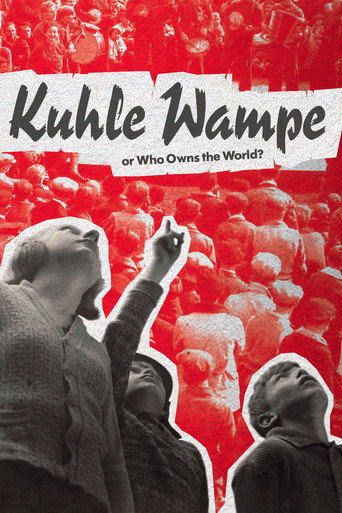
Kuhle Wampe or Who Owns the World?
Kuhle Wampe takes place in early-1930s Berlin. The film begins with a montage of newspaper headlines describing steadily-rising unemployment figures. This is followed by scenes of a young man looking for work in the city and the family discussing the unpaid back rent. The young man, brother of the protagonist Anni, removes his wristwatch and throws himself from a window out of despair. Shortly thereafter his family is evicted from their apartment. Now homeless, the family moves into a garden colony of sorts with the name “Kuhle Wampe.”
Der Etappenhase
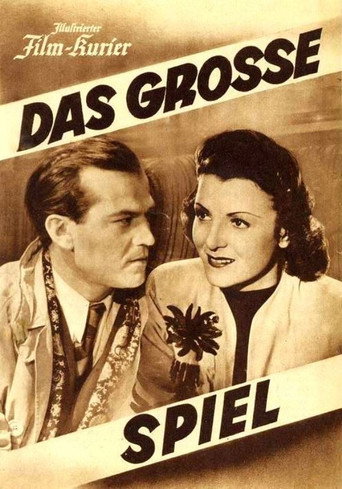
The Big Game
A player on a soccer team, where everyone matches together just perfectly, has fallen out of a championship tournament due to illness; which leads to a big problem: who would be the perfect man to replace him? Werner Fehling appears to be the perfect replacement for the sick man. The problem is, he's a bitter rival of the goalkeeper, Jupp Jaeger. Both men love the same girl, Grete Gabler. Grete is the daughter of a senior member of the sports club, which is why she feels doubly under pressure not to do anything to jeopardize the success of the team.

Verwandte und Bekannte
Using the example of three generations of a Hamburg working class family, the rise of the working class from the founding of the Wilhelmin Empire to the First World War, over the time of the Weimar Republic and National Socialism to the destruction of the Third Reich.
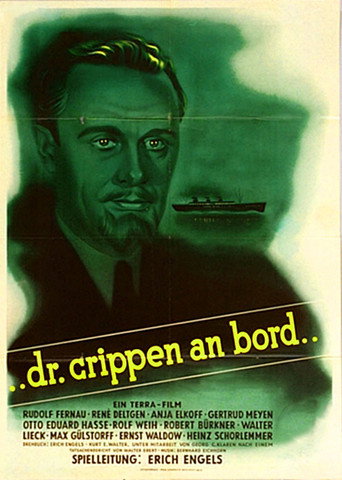
Doctor Crippen
The popular trapeze artist Cora is married to the respected doctor Frank Crippen. After a party at the Crippens' house, Cora suddenly disappears. Apparently, she traveled to Brazil alone overnight. However, a friend of the couple is skeptical and calls the police. While excavating the garden, Inspector Düwell makes a gruesome discovery: body parts. Meanwhile, the prime suspect, Dr. Crippen, has already gone into hiding...
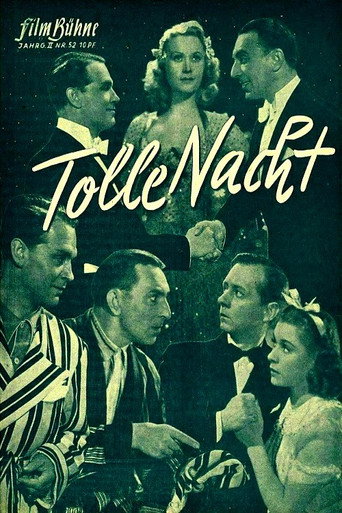
Tolle Nacht
The niece of a wealthy manufacturing aunt has secretly married. Her husband has lost his way during the night in his pajamas at a spa and ended up on the balcony of an attractive singer.
Liebelei und Liebe
Gunther and Elizabeth have felt bonded to each other since their childhood. When Gunther finishes up his engineer studies, he finds a position at a large concern, which is, however, located in another city. Elizabeth lets him withdraw, although she is pregnant; she trusts him. With the passing of time, his love for her recedes ever further into the background; especially as he’s getting closer and closer to Gina, the daughter of the boss.

D III 88
Across German screens at the outbreak of WWII streaks "DIII88: The New German Air Force Attacks", an aeronautic and maritime spectacle glorifying Hermann Goring's Luftwaffe and the spirit of the newly arisen Germany. Once war became imminent, Joseph Goebbels instructed the German film industry to initiate production of numerous militaristic projects, but DIII88 was initiated by the Propaganda Minister's rival, Goring, who commissioned several aviation pictures. DIII88 is not a war picture per se, because it takes place in peacetime, but the young, fresh-faced air aces enthusiastically look forward to the coming war. The propaganda is blatant: The only thing that matters is dedication to duty and unconditional commitment to the Fatherland.
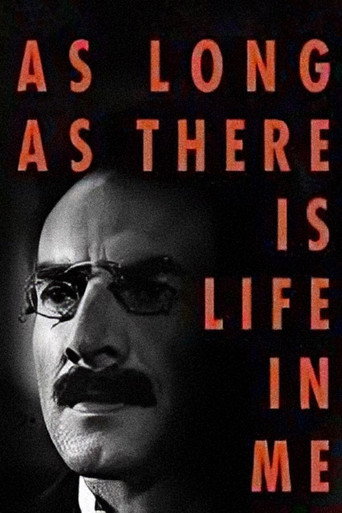
As Long as There’s Life in Me
This is part one of a two-part biopic about Karl Liebknecht. In 1914, Germany is arming itself for war. Karl Liebknecht, left-wing revolutionary Social Democrat, workers’ leader and a virulent antimilitarist, is one among 110 SPD members of Parliament who vote against approving war loans. From then on, he is considered un-German and a traitor to the fatherland, and his own party’s leadership turns against him. Despite threats, Liebknecht speaks up against the war and writes the manifesto “The Main Enemy Is at Home.” Even when he is arrested and charged with treason, he does not surrender.
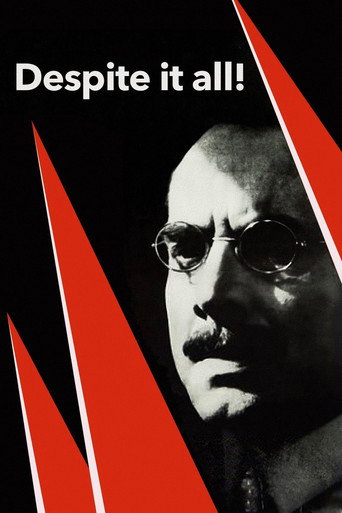
Despite It All!
October 1918: Karl Liebknecht is released from prison and Berlin workers celebrate his release. Although WWI is almost over, the German Kaiserreich in vain sends its last reserves to the slaughter. The working class is in a rebellious mood; the uprising of Kiel’s sailors against war and militarism sets off a call for revolution led by Liebknecht. On November 9, Liebknecht declares the Free Socialist Republic of Germany. But pro-Kaiser military and right wing Social Democrats oppose him.
Production

Jahrgang 21
At the beginning of the Second World War, Czech music student Honsik comes to Germany from Prague to join a "foreign worker company". After rescuing a boy from the rubble of a bombed-out house, he himself is seriously injured and taken to a hospital in Stralsund. There he is regarded as a second-class citizen and the Germans are preferred to him. Nurse Käthe stands up for him, cares for him and defies all prohibitions. A love affair is kindled between the two, but it is not under a good star. Honsik tries to flee to his homeland with his comrades and Käthe supports him. At the last moment, however, Honsik realizes that his love for Käthe is stronger than his homesickness and makes his way back. Once back home, he can only watch as Käthe is arrested by the Gestapo. With the help of a resistance fighter, the young man from Prague manages to escape after all.
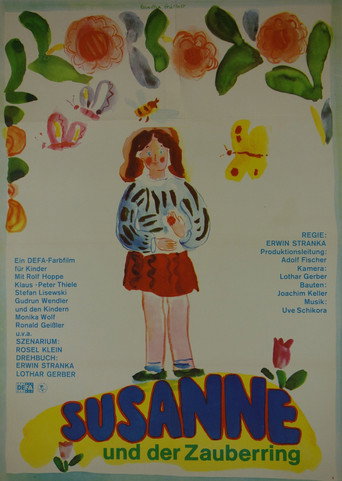
Susanne and the Magic Ring
The twelve-year old Susanne is a dreamer and feels misunderstood by her classmates. She pours out her heart to an old lock keeper, who understands her well. He gives her a ring, which has the ability to help its owner. Susanne believes greatly in its magic power. Some wishes actually come true but others fail.
No Place for Love
While on leave in Berlin during the Second World War, a soldier named Hans meets a young woman named Monika. They fall in love and make plans for a future together after the war. Yet their later attempts to find an apartment and get married are hindered by the housing shortage and they have to stay separately with relatives.
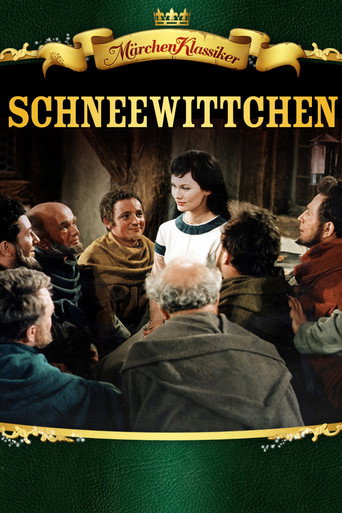
Snow White
Hated by her jealous and bloodthirsty stepmother, Snow White flees a murder attempt and seeks shelter in the woods with seven kindly dwarfs. Feeling she is safe from harm, Snow White welcomes the disguised queen into her home...with fatal consequences.