Ademir Kenović Movies, TV Shows, and Filmography
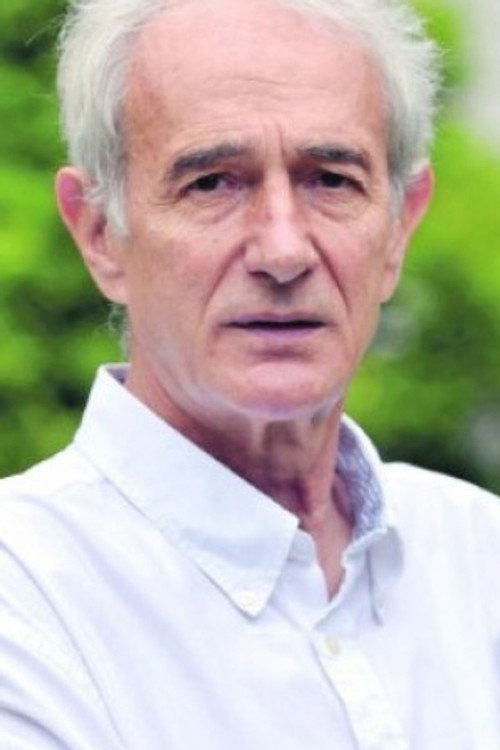
Ademir Kenović
Directing
Biography
No biography available.
Filmography Movies
Acting
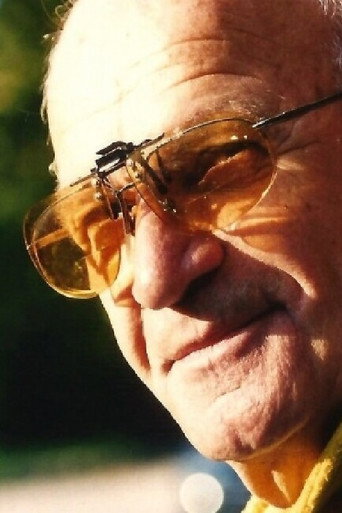
Bato
A biographical film about director Bahrudin 'Bato' Čengić and his contribution to Bosnian cinematography.
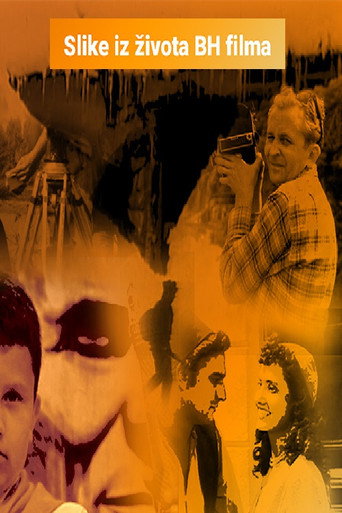
Scenes from the Life of BH Film
The history of Bosnian cinematography over 75 years of existence.
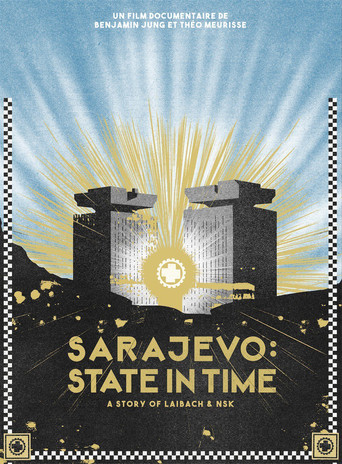
Sarajevo: State in Time
Shot in six European countries, it tells the story of the concerts given by cult underground band Laibach during the siege of Sarajevo back in 1995.
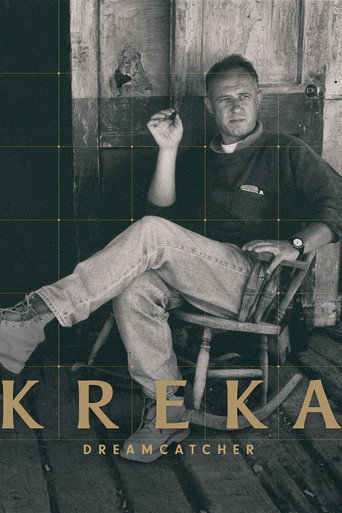
Kreka: Dreamcatcher
The career of the famous production designer Miljen Kljaković – Kreka and reveals all the beauty and importance of film scenography.
Production
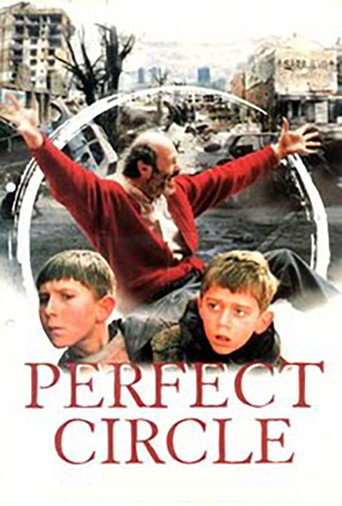
The Perfect Circle
An alcoholic Bosnian poet sends his wife and daughter away from Sarajevo so they can avoid the troubles there. However, he is soon descended upon by a pair of orphaned brothers. The brothers have escaped a massacre in their own village and have come to the Bosnian capital in search of a long lost Aunt. The poet befriends the boys and together they try to survive the horror of the siege of Sarajevo.
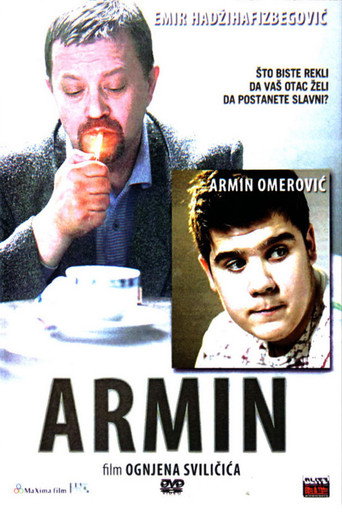
Armin
The film follows Ibro (Emir Hadžihafizbegović) and his son Armin (Armin Omerović), who travel from a small town in Bosnia to a film audition in Zagreb, hoping to land a part for Armin in a German film about the war in Bosnia. On their way to fulfilling the boy's dream, they encounter a series of disappointing setbacks — their bus to Zagreb breaks down and they are late for the audition. After Ibro convinces the director to give the boy a second chance, they soon realize that Armin is too old for the part anyway. As it becomes obvious that Armin's dream of playing a part in the movie will never happen, he feels increasingly disheartened, while Ibro's determination to help his son grows. Finally they do get another chance, but Armin buckles under the pressure and experiences an epileptic seizure. As they get ready to head back to Bosnia, the film crew makes an unexpected offer, but when Ibro refuses, Armin at last realizes how much his father really loves him.
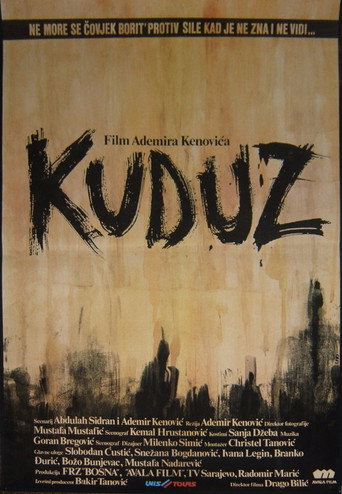
Kuduz
After the release from prison, small-time criminal is marrying his girlfriend and lives a straight and poor, but happy life with her and her daughter. However, his happiness is shattered by wife's infidelity. Driven mad by jealousy, he kills her and her lover and runs into mountains, thus escaping law for months. This film is based on the true story about Junuz Kečo, last Bosnian outlaw.
Kuduz
After the release from prison, small-time criminal is marrying his girlfriend and lives a straight and poor, but happy life with her and her daughter. However, his happiness is shattered by wife's infidelity. Driven mad by jealousy, he kills her and her lover and runs into mountains, thus escaping law for months. This film is based on the true story about Junuz Kečo, last Bosnian outlaw.
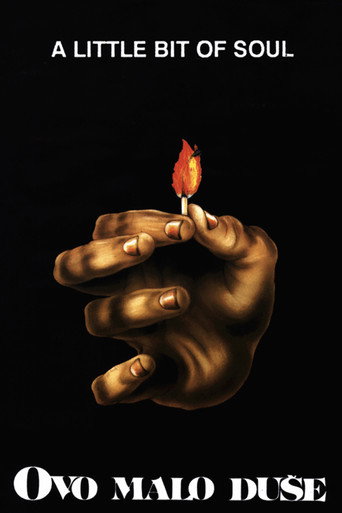
A Little Bit of Soul
A bitter coming-of-age story about boy who grows up in a remote Bosnian village shortly after World War II.
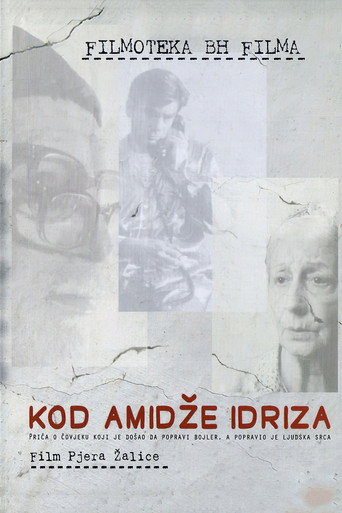
Days and Hours
Fuke visits his uncle Idriz and aunt Sabira to fix a broken boiler. He soon finds out there's a lot more that needs to be repaired. Idriz and Sabira aren't ready to accept the loss of their only son in the Balkan war, seven years earlier. When Fuke's car refuses to start, Fuke has to stay over in their house. He meets a lot of old friends and neighbors there.
I Burned Legs
This film deals with the atrocities of war as portrayed by a film student who spends some time working as a medic. One of the duties he performed was to carry amputated limbs to the cremation furnace. This is a film about the collective madness that engulfed Sarajevo. A one-armed boy is troubled because he can't make big, firm snowballs; a man who lost both legs demonstrates walking on his stumps... The film and the director's story help us understand the commotion and tumult that have occurred in the minds of Sarajevans.
Sarajevo: A Street Under Siege
A compilation of vignettes of daily life in Sarajevo and the people who fight to survive the war that tears the city apart. In November 1993 BBC2 TV began to broadcast 'Sarajevo: A Street Under Siege', a 2-minute film shown every night before the 22.30 Newsnight programme. It was bringing a day-by-day account of how the siege was affecting a group of ordinary citizens. The authors were Ademir Kenovic, a graduate of the Sarajevo Film and Theater Academy, and Patrice Barrat, a director from an independent French production company. The full version of the film was broadcast on BBC2 on 20 March 1994. Later on in 1994 the film 'Sarajevo: A Street Under Siege', ('Chaque jour pour Sarajevo') received a BAFTA (British Academy Award of Film & TV Arts) award and the Jury Award at the Locarno Film Festival.
Children Like Any Other
This is a film that shows portraits of three children who lived in Sarajevo during the siege. Through their stories the film tries to give a picture of youngsters who live in the war for three and a half years and their efforts to overcome the trauma. The stories are seemingly separate, but the thread that connects them is a three-year-old boy who on his tricycle constantly wanders the streets of Sarajevo, passing everywhere and always seeing everything. He takes us from one child to another, opening up before us a picture of the bizarre life of children in Sarajevo.
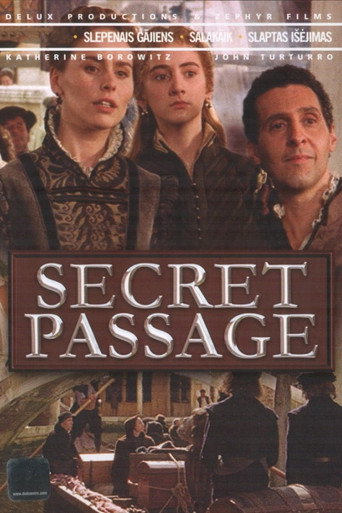
Secret Passage
Isabel and Clara are growing up in a time of terror. It is 1492, and Spain has decreed that all Jews must either convert to Catholicism, go into exile or face trial and execution. Although forcibly baptized, the sisters are chased through Christendom until they arrive in Venice. It is in this great maritime empire, where opulence rhymes with tolerance, that Isabel organizes secret passages for refugees fleeing the Inquisition while Clara falls in love with a Venetian noble, Paolo Zane. Isabel intends for her family to go to Istanbul, the only place where Jews can live freely, but Clara is reluctant to leave. She challenges Isabel's authority and is prepared to break her family ties and sacrifice her faith for love. Caught in this battle of wills is Clara's daughter, Victoria, who finds she is about to be married into the same faith that murdered her father.
Gallery