Acting
No biography available.
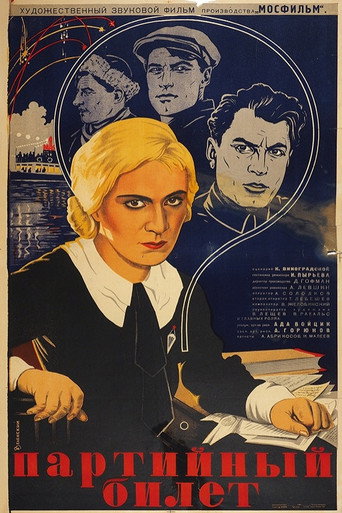
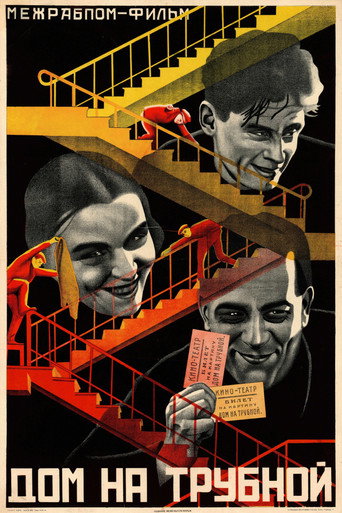
Yasha, who likes Anna, accomodates siberian Pavel Kuganov, which later becomes a class-conscious worker in a factory. Anna refuses Yasha's offer of marriage and he therefore runs off to Siberia. After Pavel is hailed as a hero because he survives a fire accident in factory (which is in fact effect of his sabotage), Anna marries him. Pavel then becomes a reckless communist careerist, but only on surface. In fact, he is a traitor of the country and a spy, and gives Anna's party ID card to anti-communist movement. In spite of that, Anna is expelled from the communist party. Yasha returns from Siberia, only to find her love Anna desperate. They reveal the truth about Pavel (that he is a kulak who killed a kolchoz co-op leader), which means an end for Pavel.
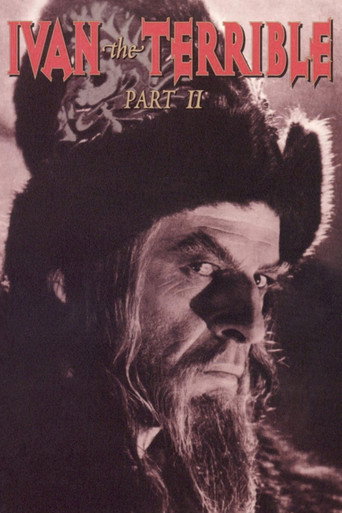
This is the second part of a projected three-part epic biopic of Russian Czar Ivan Grozny, undertaken by Soviet film-maker Sergei Eisenstein at the behest of Josef Stalin. Production of the epic was stopped before the third part could be filmed, due to producer dissatisfaction with Eisenstein's introducing forbidden experimental filming techniques into the material, more evident in this part than the first part. As it was, this second part was banned from showings until after the deaths of both Eisenstein and Stalin, and a change of attitude by the subsequent heads of the Soviet government. In this part, as Ivan the Terrible attempts to consolidate his power by establishing a personal army, his political rivals, the Russian boyars, plot to assassinate him.
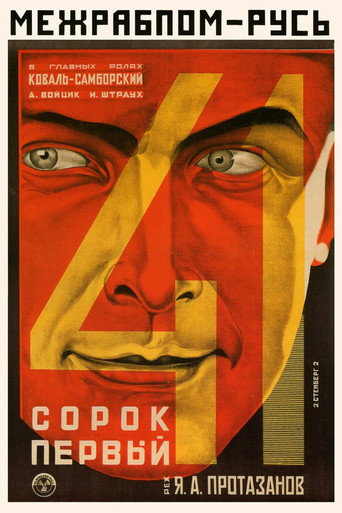
A young woman sharpshooter fighting with the Reds in Turkestan misses her forty-first victim, a handsome White lieutenant, and ends up escorting him, by boat, into captivity across the Aral Sea. A storm strands the two on an island.
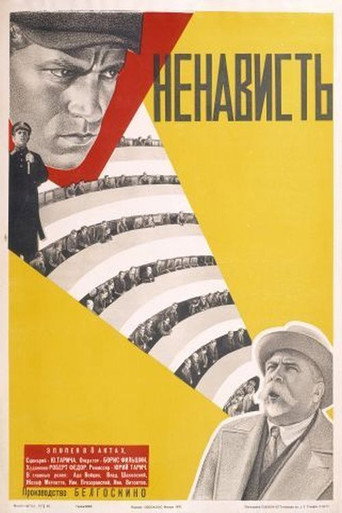
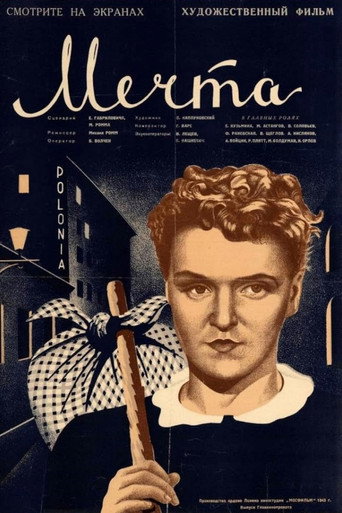
The end of the 1920s. Polish Diet a bill discusses the War Ministry to increase the production of weapons and oil for the needs of the army. Occur violent clashes between right-wing forces and the Communist faction, opposed the war with the USSR. The leader of the Social Democrats Staszewski asks to project that a heavy burden will fall on the budget for improvements to the commission. At this time, in oilfield Bohuslav strike, caused by hard labor working conditions, starvation wages and anti-Soviet policy of the government.
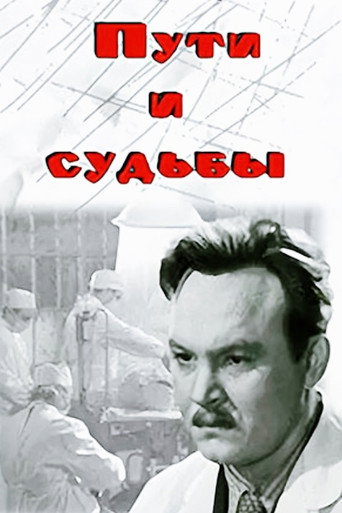
Rural doctor Ivan Boyko receives an invitation to a clinic in the capital. Here the hero meets an institute friend, Dmitry Kostenko, a successful associate professor. Very soon Ivan becomes convinced of the moral dishonesty of Dmitry, who appropriated the scientific work of his modest colleague Vennik. Boyko exposes the dishonest candidate of sciences to the team.
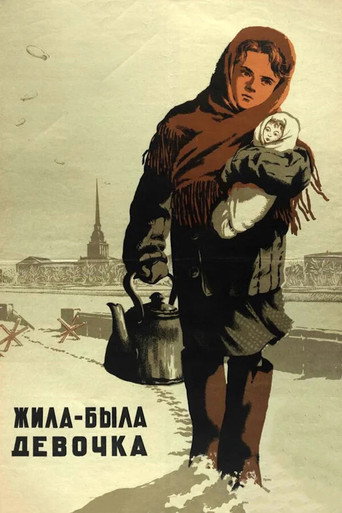
Woven around the daily lives of two children, nine-year-old Nastenka and five-year-old Katia, this is a story of the 17 months' siege of Leningrad and of the people and families shattered by the war, their homes bombed and destroyed, their lives in a constant anticipation of the advancing German army and air raids.
In search for a better life, Anna leaves her Ukrainian village for a big city. Three years later, she finds herself working two jobs and spending most of her days in a rooming house inhabited by broken people.
The movie is set in the early 30s in a fictional capitalist country. The economic crisis throws three friends - young female workers - out on the street. Their dreams of a prosperous life are shattered, and each begins her own difficult journey.
While investigating a regular traffic accidents detectives find evidence of foreign intelligence involvement.
Life is short and full of oppression, but that doesn't mean Parasha can't find love and laughter when she leaves her country home to take a job as a maid in the overcrowded, overworked, and underpaid world in the big city.