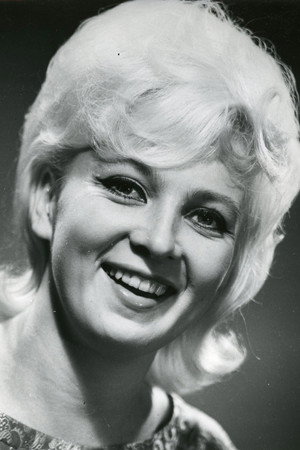
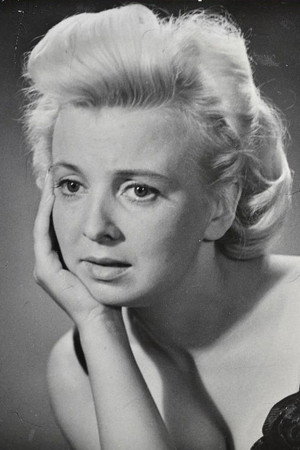
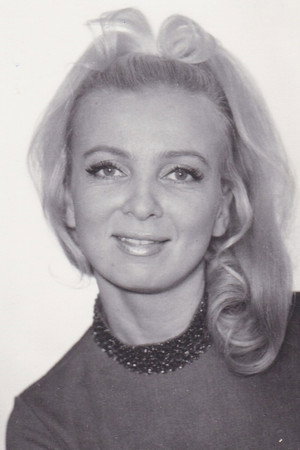
Ada Lundver Movies, TV Shows, and Filmography
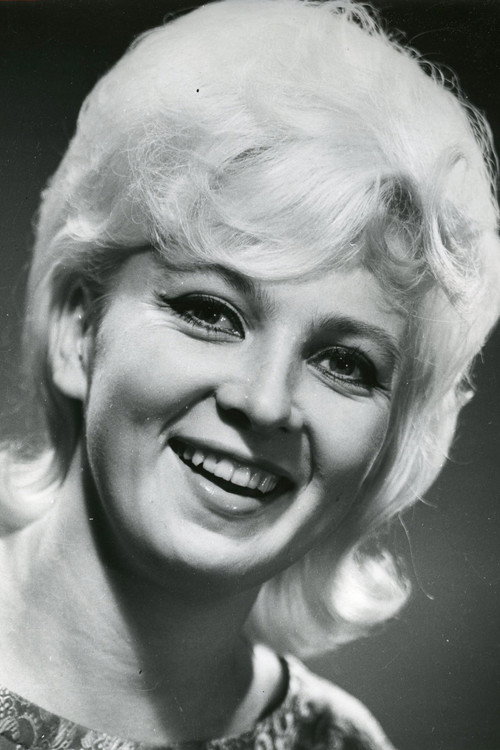
Ada Lundver
Acting
Biography
Ada Lundver (February 9, 1942 – October 6, 2011) was an Estonian film actress and singer. She appeared in nearly thirty films. Lundver was born in Käina Parish (now, Hiiumaa Parish), on the island of Hiiumaa in 1942. She used to spend each summer on the island with her grandmother. In 1960 Lundver was working in a shoe factory in Tallinn. The following year, her life was transformed as she was acting with the State Philharmonic of the Estonian SSR. She was chosen from nearly 250 other applicants. She completed a course in pop singing before acting more. She and Eve Kivi became the most well known Estonian actresses. She made films in the 60s, and signed an agreement to make more films in 1969 - becoming the "German slut in Russian movies". She married Mikk Mikiver in 1971 and then made many more films. She made nearly thirty in total including "Cold Land", "What Happened to Andres Lapeteus" and "Noon Barge". Her marriage to Mikk Mikiver ended in 1983.
Filmography Movies
Acting
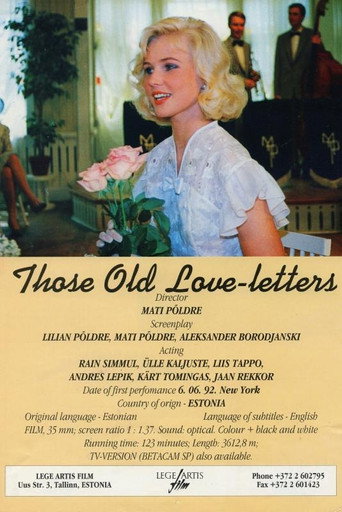
Those Old Love-letters
A film about the life of Raimond Valgre, an Estonian songwriter and singer of the 1930s and 40s, the political changes of his country and his life after the war when his songs were considered not suitable for the Soviet way of life.
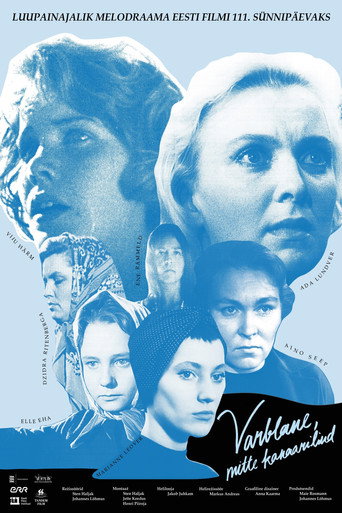
Madwomen: to be a sparrow not a canary
A housewife confronts situations to which no sane response exists... “Madwomen: To Be a Sparrow Not a Canary” is an experimental found footage melodrama composed entirely out of film footage shot in Soviet Estonia from 1960 until 1969. An experimental collage creating an alternative narrative to the storylines in the animations, documentaries and feature films of that time period.
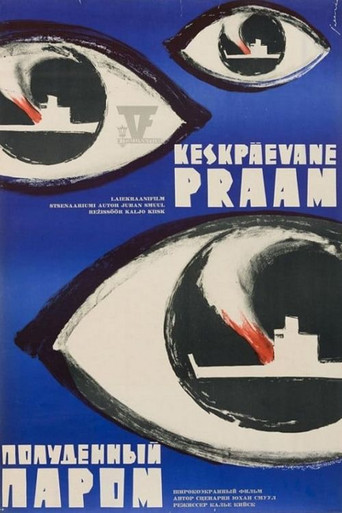
The Midday Ferry
The events take place in Estonia in a summer in the 1960s. The Boy and the Girl want to go from mainland Estonia to the island of Saaremaa, but they do not have any money to buy the ticket to the ferry. They manage to hide themselves into a lorry that carries hay. Because they are smoking while they are on the lorry, a fire breaks out. The problem is, that the ferry is in the middle of the sea.
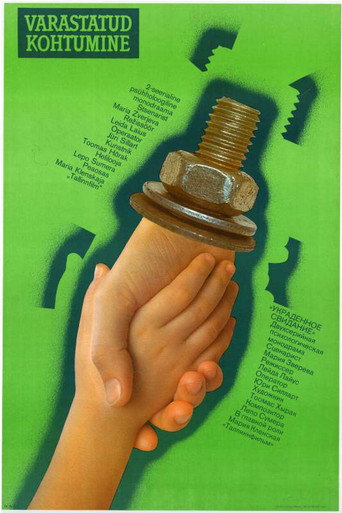
Stolen Meeting
A mother released from a prison camp in Russia finds her son, but realises that reconciliation is impossible.
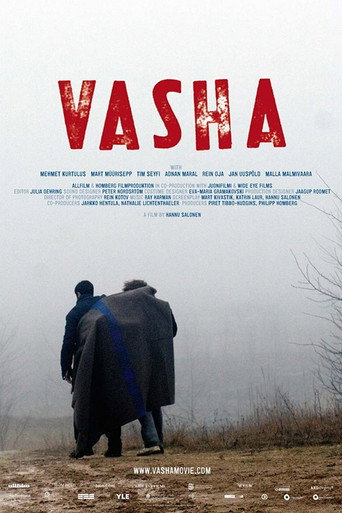
Vasha
Tom, a wide-eyed, innocent sixteen year-old, finds himself an unwitting accomplice in a deadly game of vengeance and death when he befriends Artur - a Chechen man, hell bent on revenging the torture and murder of his family - on the streets of Tallinn.
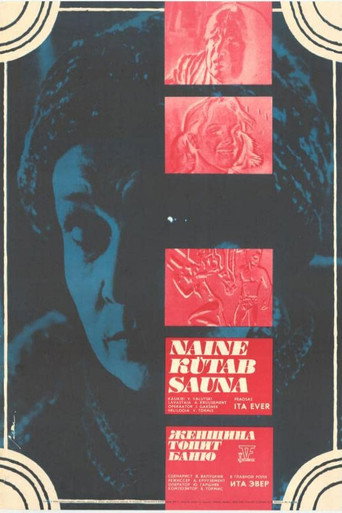
A Woman Heats the Sauna
The story is about a woman, who has to heat up the company's sauna, because the bosses want to entertain foreign visitors. The sauna is situated in a small village where her ex-husband is from, and an old aunt of his is still living. In addition to having to face her bosses she also has to face her past.
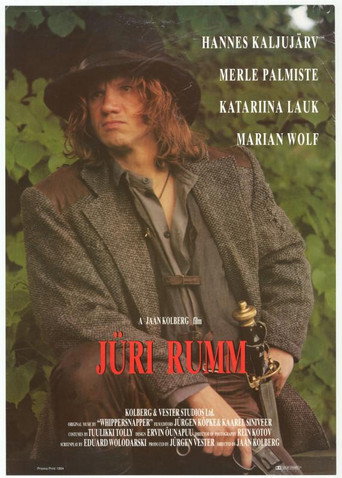
Jüri Rumm
Jüri Rumm is a hot-tempered young peasant who is not afraid of either German barons or the Russian czar, barfights or disobedience to his master's orders. Mari, a gentle peasant girl, loves Jüri despite the fact that he is very popular among young women. Evelin is a quick-tempered baron's daughter who is used to get everything she wants, including a peasant boyfriend who considers himself a free man. Yet, the free man becomes an outlaw. Where will the runaway's love lead him?
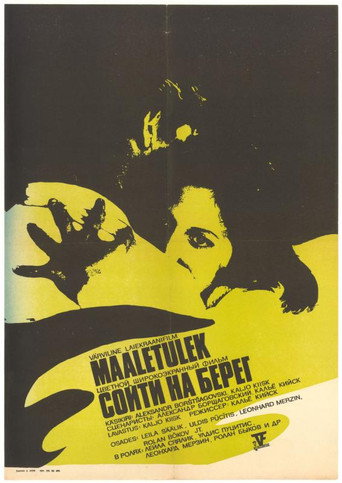
Landing
Reet loves her long-distance coxswain husband Rein, but the long separations have tortured her. It seems to her that the man cares more about his work than about her. Rein really loves his work, but his wife just as passionately. He does not understand how loneliness can overwhelm Reet, when women have always been waiting for men from far away. Their family friend Mart loves Reet and cannot see her suffer. It is in Marti's power to offer Reet a safe life, and the woman plagued by internal struggles makes a choice, but happiness seems to slip even further away.

Nazis and Blondes
Veteran actors from the 3 Baltic countries - Estonia, Latvia and Lithuania - gather at a castle in Latvia to receive awards for their roles as Nazi villains in propagandist Soviet war films. They reminisce about the films that made them famous throughout the USSR, but also stigmatized the Baltic countries as Nazi sympathizers in the eyes of many Russians - a misconception that is nowadays exploited by the Russian media, desperate to label the Baltic countries as a fascist haven.
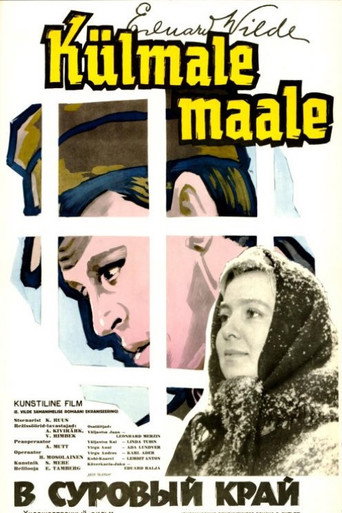
To a Cold Land
In a late 19th-century Estonian village, farmer Jaan struggles. He works for Andres but can't provide enough. Jaan falls for Andres' daughter, Anni, who helps. Desperate, Jaan turns to theft, gets caught, and is sent to Siberia with Anni.
Gallery