AbdulHusain AbdulRedha Movies, TV Shows, and Filmography
AbdulHusain AbdulRedha
Acting
Biography
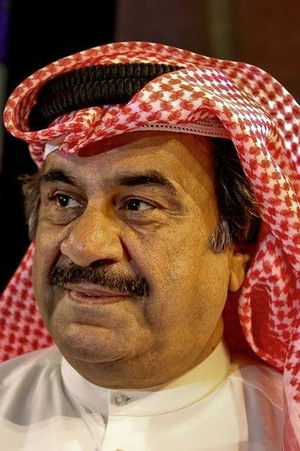
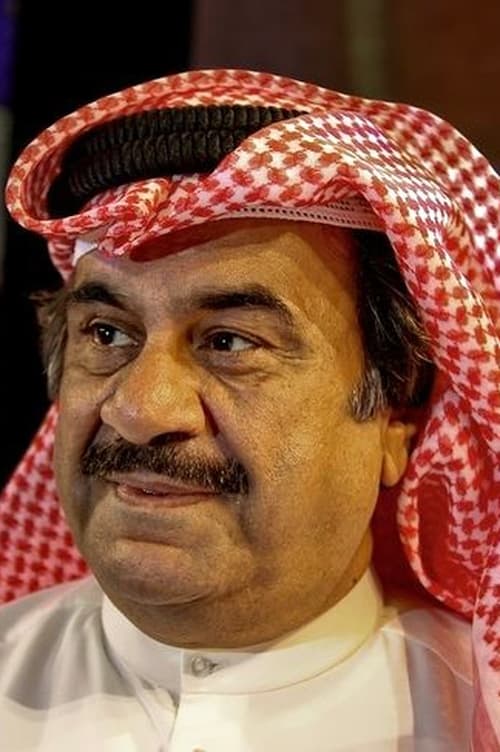
Abdulhussain Abdulredha (15 July 1939 – 11 August 2017) was a Kuwaiti actor, playwright, and comedian, considered one of the most influential figures in Gulf and Arab entertainment. Born in Kuwait City, he played a key role in shaping modern Kuwaiti theater and television, with a career spanning over five decades. Known for his sharp humor and satirical approach, Abdulredha’s work often addressed social and political themes relevant to Kuwaiti and Gulf society. His 1981 play Bye Bye London is among his most well-known works, offering a comedic take on the cultural experiences of Gulf Arabs abroad. In addition to his theater productions, Abdulredha appeared in several television series and films, gaining widespread popularity across the Arab world. His contributions earned him numerous honors and helped establish a foundation for contemporary performing arts in the region. He passed away in London in 2017. His legacy remains deeply rooted in Arab pop culture, with his performances continuing to inspire and entertain new generations.
Filmography Movies
Acting
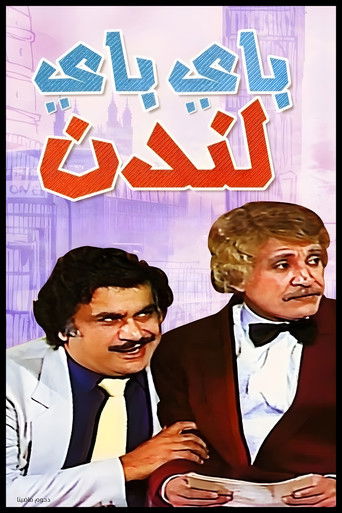
Bye Bye London
A comedy about an old married man that travels to London with his nephew who does his to save him from exposure to fraud, and being mugged in London, the play also covers some political aspects and projections in addition to social criticism of some of the Arab situations.
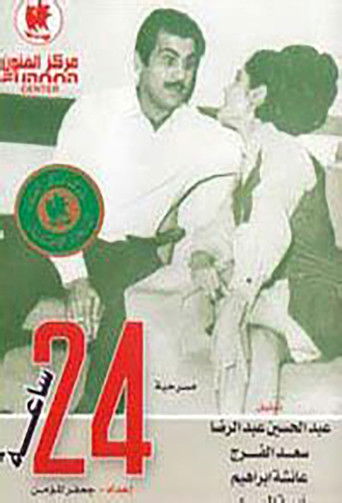
24 hours
The events revolve around a man who takes his wife to the doctor, as he suspects that she has gone crazy, after which many funny situations take place between them to find out her condition and whether she has really lost her mind or not.
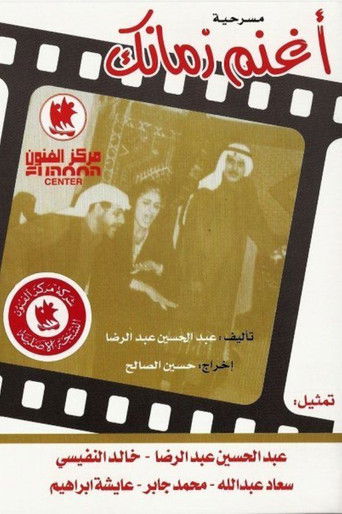
Seize the Day
In Seize Your Day, a greedy fabric merchant’s selfishness sparks endless conflicts, leading him to lose both business and relationships in a satirical take on the folly of unchecked ambition.
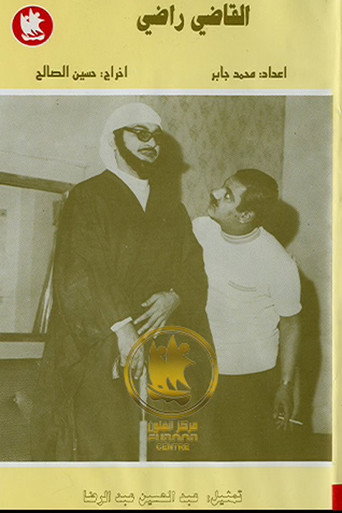
The Judge Radhi
Radi The Judge
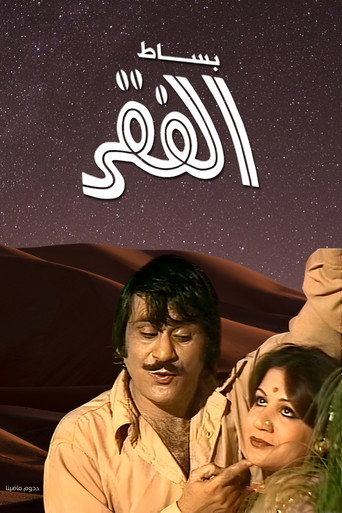
Besat Al Fagr
A woman receives marriage proposals from three young men—one rich, one handsome, and one poor who owns nothing but a magical flying carpet. Choosing love over wealth and looks, she marries the poor man and embarks on a journey with him across Iraq, Egypt, Lebanon, and India.
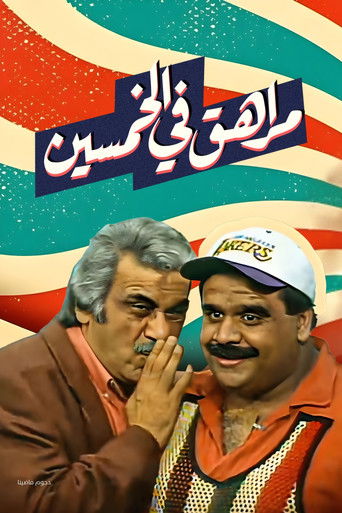
Fifty Years Old Teenager
The life of a married 50-year-old doctor turns topsy-turvy when he falls in love with a younger woman and begins to act like a teenager.
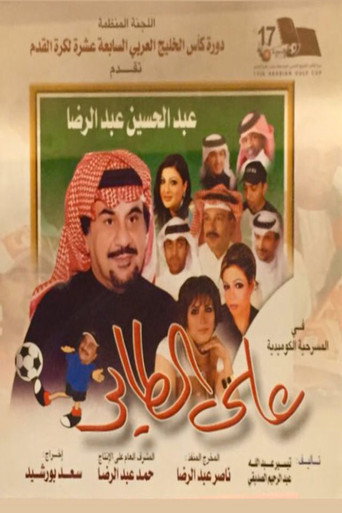
In a Blink
Driven by a thirst for fame, prestige, and the spotlight, a servant office owner ventures into the competitive world of sports. When he assumes leadership of a troubled sports club, he stumbles upon the hidden complexities of the industry. However, his lack of knowledge and experience in sports matters only compounds the club's issues, leading to unexpected challenges and deeper entanglements in a world he thought he understood.
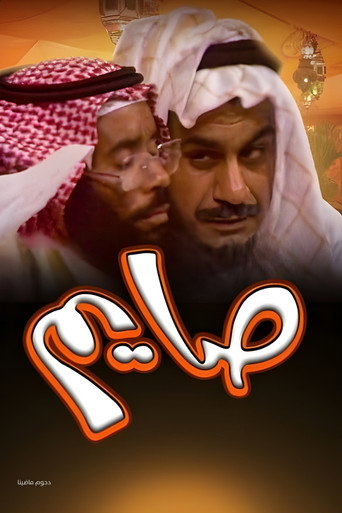
Fasting Operetta
The story explores the daily lives of a married couple during Ramadan, capturing how they navigate fasting, work, worship, household responsibilities, and parenting. Through their challenges and small victories, the couple learns to balance tradition and modern demands, highlighting the spirit of Ramadan within family life.
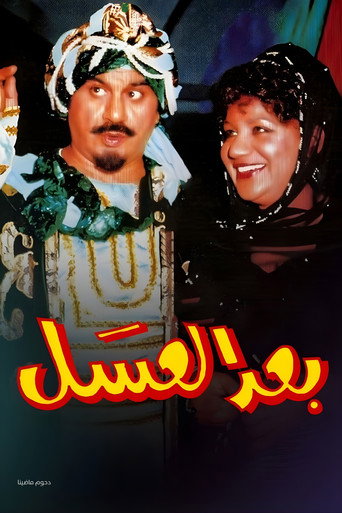
After the Honey
The events revolve around a couple, Rashid and Amina, who did not become pregnant after a long period of marriage. So, her husband decided to marry another woman, and problems began between the two spouses.
Production
Bye Bye London
A comedy about an old married man that travels to London with his nephew who does his to save him from exposure to fraud, and being mugged in London, the play also covers some political aspects and projections in addition to social criticism of some of the Arab situations.
Besat Al Fagr
A woman receives marriage proposals from three young men—one rich, one handsome, and one poor who owns nothing but a magical flying carpet. Choosing love over wealth and looks, she marries the poor man and embarks on a journey with him across Iraq, Egypt, Lebanon, and India.
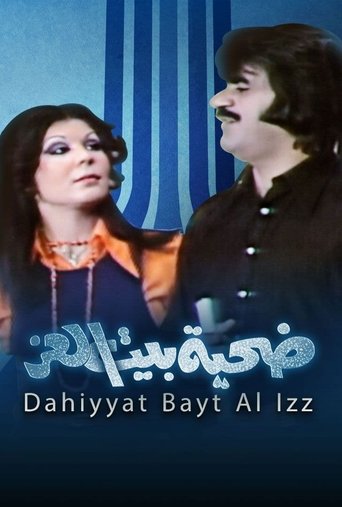
The Victim Of The House Of The Pride
A Kuwaiti comedy play that revolves around Saif, a loyal and diligent worker whom experiences difficulties at home which lead to disastrous results.
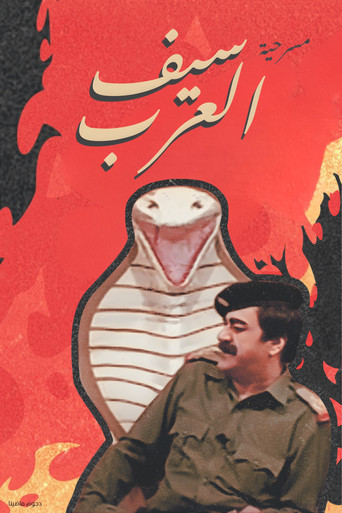
The Sword Of The Arabs
The play deals in a social comic framework, the period of the Iraqi invasion of Kuwait in 1990, and what was experienced by Kuwaitis and Iraqis alike during the aggression period, through the social changes that occurred in both societies in that period.
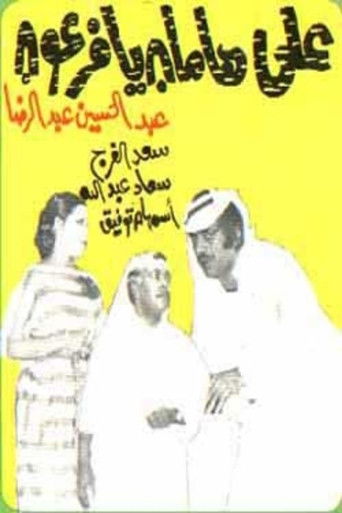
Not To Hamman, Pharaoh
A Kuwaiti comedic romance drama following the story of an accountant that fell in love with the daughter of his employer.

The Bachelor of Salmiya
In this Kuwaiti comedy play, Hilal Hajji, a carefree young man buried in debt and dodging relentless creditors, unexpectedly crosses paths with the beautiful and affluent Amira at Salmiya market. Captivated, he falls head over heels, unaware that Amira is actually engaged to his close friend, the shrewd and opportunistic Dr. Fayez. As romantic entanglements and financial troubles collide, Hilal finds himself caught in a web of comedic misunderstandings and rivalries.
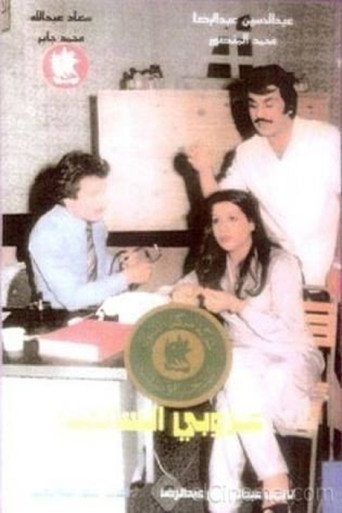
The Bachelor Of Al Salmiya
Hilal Haji Ramadan is a single person in Salmiya who is a reckless and wasteful person, which leads not to multiply debts on him and chasing his debtors, and he has a friend who is a doctor close to him, but on the contrary, he is a human being, a messenger and a shark lover. A day will come and meet Hilal his princess while she falls in the Salmiya market, and her princess is the beautiful rich girl. He falls in love with her, and the irony lies in that she herself is his fiancée, his close friend, and the events continue until the princess admires Hilal and his opposite personality of his friend and falls in love with Hilal.
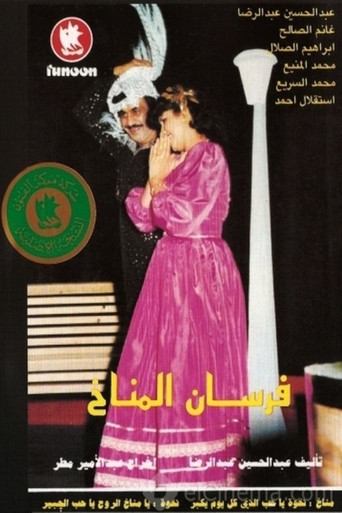
Al-Manakh Knights
The first Gulf economic play centered on an issue that affected members of Kuwaiti society, which sparked widespread controversy between Kuwaiti society and the Gulf community in general, and the issue was the "Al Manakh Market" crisis in 1982, which ended in losses exceeding $ 22 billion. Where the story tells about the second oil boom of the Gulf states at the end of the seventies and the beginning of the eighties of the twentieth century AD where the price of oil increased continuously until the Gulf countries recorded large financial surpluses, so the money poured into the stock market significantly until it opened a stock trading office in a semi-parallel office and was named a market "Al Manakh" in which money flowed greatly from almost all segments of Kuwaiti society and even foreign residents and some individuals from the Gulf states and increased frantic speculation and increased buying and selling for the future until it reached astronomical numbers.
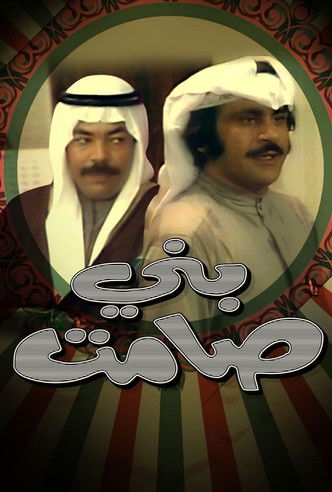
Samet Sons
A Kuwaiti play talks about the life of Kuwaitis in the years of poverty experienced by Kuwaitis before the economic boom in the seventies, and discusses work in a comic framework of economic and social problems, including poverty, education, and health, by dealing with the stories of work heroes.

The Joy Of A Nation
A Kuwaiti social comedy play presented to the leaders of the Gulf states at the Gulf Summit in 1985, which was written by Abdul-Hussein Abdul-Ridha, a satirical play that discusses family issues, family bonding and religious extremism, the play talks about the loss of children and the home, neglect of parents, and who is responsible for that.
Gallery