Acting
No biography available.
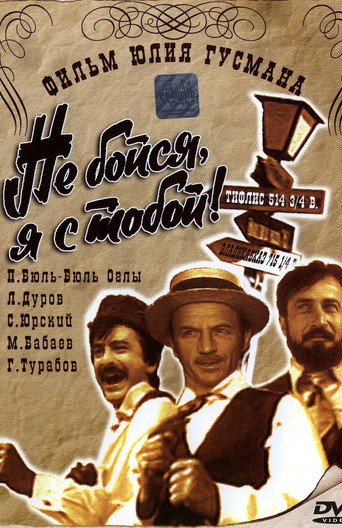
An uncle and his nephew travel to the capital to sell fruits and vegetables. On the way, they sell a sack of “thyme” that was meant for someone else. It turns out the sack didn’t actually contain thyme. Escaping from the owner of this deposit — worth millions — turns out to be a complicated matter.
The film tells the story of journalistic morality in an analytical way. In this sense, the journalist must have a clear conscience and morality. He must find the answer to the question: "What is the meaning of life and what have I been able to do for people?" The protagonist of the film, Zaur is a radio journalist. Throughout the plot, he seeks the answer to this question, but finds it difficult to find the answer, and the complex contrasts of life confuse him.
“Urban Motives 4.1” is an anthology film consists of 5 short movies by 5 Azerbaijani directors. The first, by Anar Abbasov, is about a relationship between a man and women who live next door; second, by Ru Hasanov, is about a life of a musician who is different from others with his mentality; third, by Teymur Ismayilov, tells a story of a young worker who has his own dreams; fourth, by Jafar Akhundzade, is about traumas caused by war; and the last one, by Vugar Islamzadeh, is a story about a criminal group and an officer who wants to take revenge.
Murad, a young man fails the entrance exam to the Institute and starts working at the meat factory. His cousin Rustam, a worker on a building site, fights with him against the dishonest people who sell pieces of meat from the factory. After a series of dramatic situations, Murad and Rustam manage to uncover the thieves.
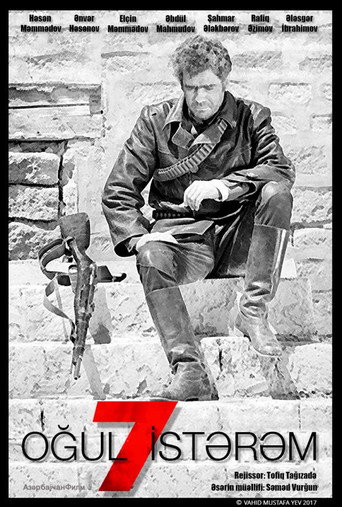
This film was based on Samad Vurgun's "Komsomol poem". Seven sons, like seven samurai become the seven komsomols (communist leaders) who were sent to a village to establish Soviet power. Seven sons become the romanticized images of people's heroes ready to take revenge.
Police are conducting a homicide investigation after man dies in car accident.
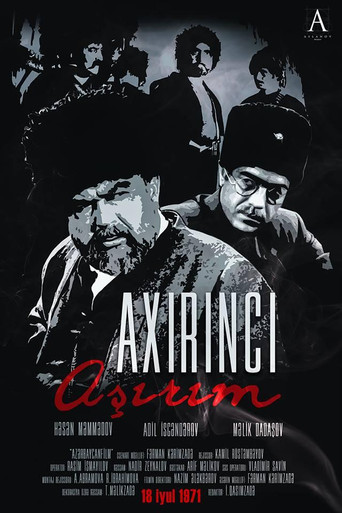
Based on a novel by Farman Karimzade, the movie shows the life in an Azerbaijani village under the Soviet rule in 1930s. Here two former "beys" (land owners) are opposing each other. One is loyal to the ideology of the past and can't reconcile himself to the new power, to second rejects the past and accepts the power of the Bolsheviks, believing that it will establish justice.
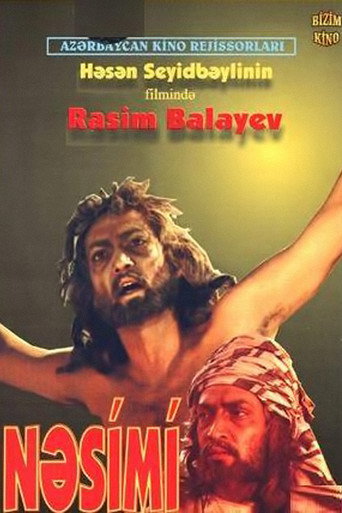
The film is a biographical true story about life of Imadaddin Nasimi, well known throughout the East for his school of philosophy and thought, poems and promotion of moral values in a feudal society. During the 14th-15th centuries, when Azerbaijan was a stage for warring powers and civil wars, Nasimi was the only poet committed to promotion of humanism and moral values inflicting criticism on the ruling system and the society itself. For his intruding role in feudal regimes, Nasimi lived a complex and tragic life.
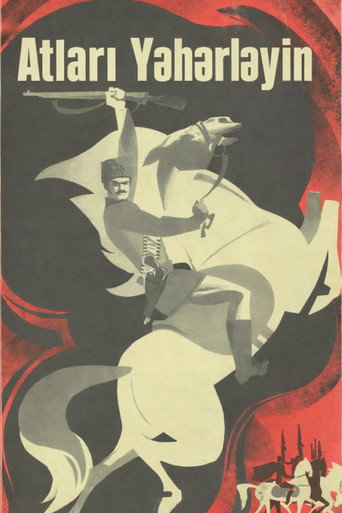
In early 20th-century Azerbaijan, two circus artists travel to a village where one of them was born, unaware of the danger and adventure that await them.
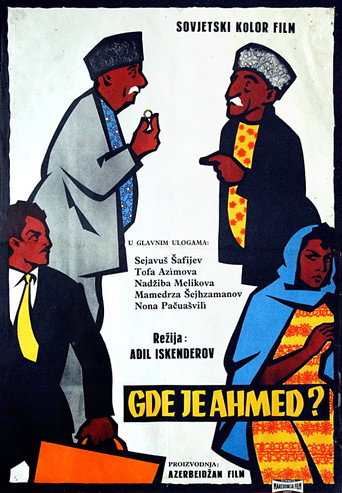
When his parents try to marry him to their neighbors' daughter, Ahmad runs away from home and his family try to find him.
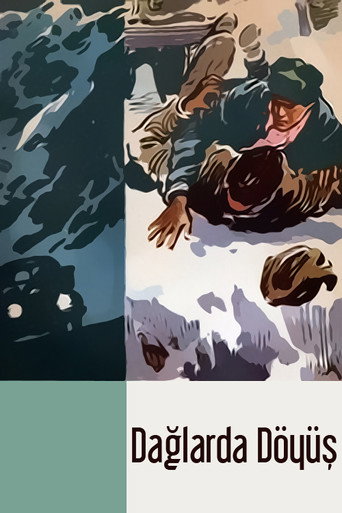
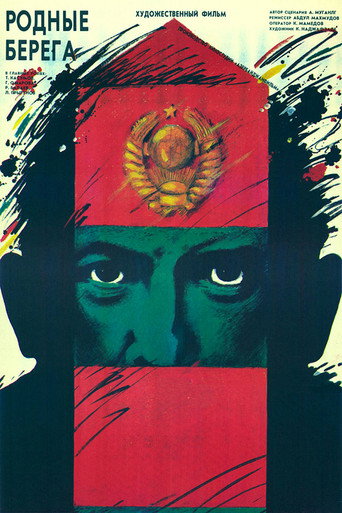
Young border guard Sergeant Farrukh is in love with Izran, a girl from a neighboring village. Izran's father does not believe in the seriousness of the young man's intentions and forbids his daughter from seeing him. But after seeing Farrukh in action, arresting border violators, he changes his attitude towards the border guard. Farrukh pursues the violator. A landslide drives them both into a ravine. The violator tells him about his life, and the sergeant recognizes him as his father, whom he believed had died at the front...
The film is about Gachag Nabi's heroism.
The secretary of the district committee, Firangiz, is cautious and demanding, as well as very harsh and inconsistent. She cannot tolerate not only her compatriots, but even her husband, the researcher Murad, and her entire family.
The film is about lad who joined the underworld, after coming from Afghan war.
The film is devoted problems of protection of ecology.
At the crossroads of relationships between fathers and children, cities and villages, existing problems are revealed.
The film is about relations between different people.
The film is about frontier-guards who averts the diversion in hydroelectric power station which was built by another state.