Sound
No biography available.
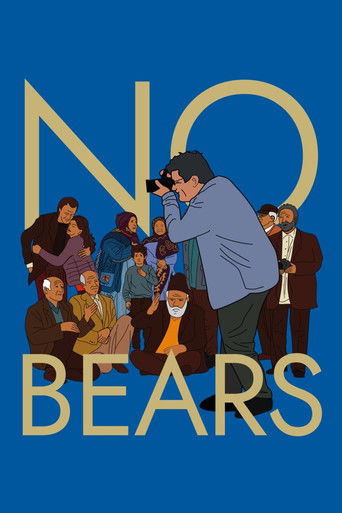
Iranian director Jafar Panahi, who has been barred from leaving the country, arrives at a village on the Iran-Turkey border to supervise a film based on a real-life couple seeking passports to Europe being shot in Turkey, but both his stay and the production run into trouble.
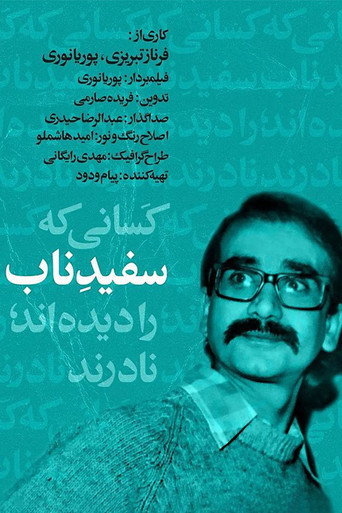
This documentary movie explores the professional life of Parviz Fanizadeh, Iranian actor of the 60s and 70s cinema and theater, with investigating through archival footage of his works and referring to his fellow artists.
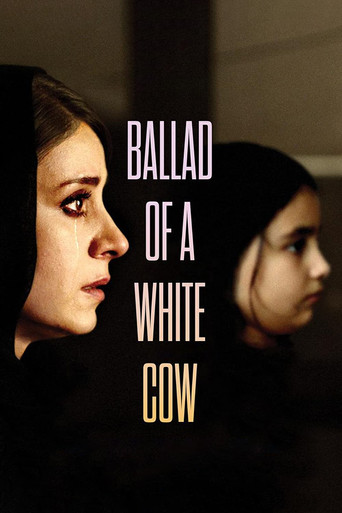
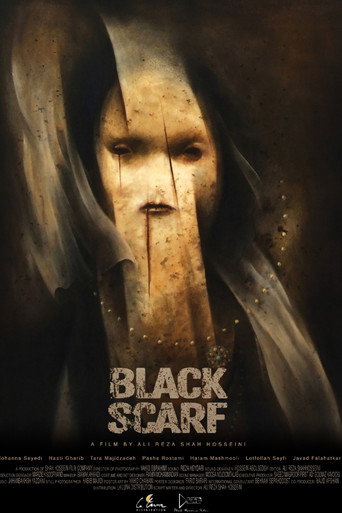
Mina's life is turned upside down when she learns that her husband was innocent of the crime for which he was executed, so she starts a silent battle against a cynical system for her own and her daughter's sake.
Do you ask everyone so many questions when you take corpses here and there?
Alireza's mother is dead and his father is trying to tell him about this.
A satirical take on the mundane absurdities of life in modern-day Iran, these nine vignettes illuminate the lighter side of enduring under authoritarian rule. Whether choosing a name for a newborn, graduating from grade school, getting a driver’s license, applying for a job, or seeking approval for a film script, if you live in Iran, you best come fluent in Orwellian discourse.
A conscript teacher is leaving the village as his military service is over. But...
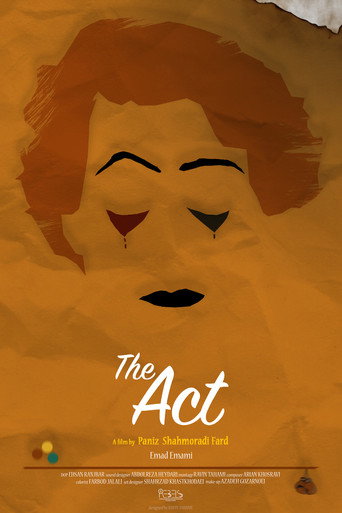
A clown is sitting at a table full of food and drinks. Three men and three women in stylish clothes enter and sit at the table, each person has an envelope that contains requests for the clown.
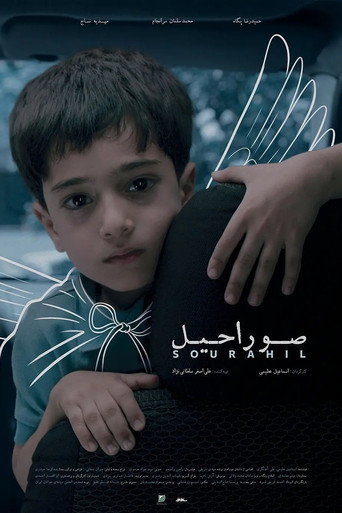
A chaotic family is on a road trip across a rugged landscape. In the back seat, Dad has a broken leg, Mom tries to laugh when she's not holding back tears, and the youngest keeps exploding into car karaoke. Only the older brother is quiet.
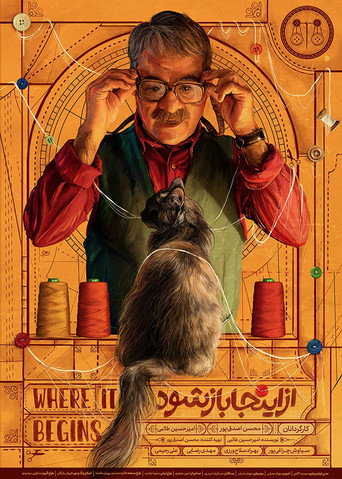
Haaj Ebraam is a tailor who spends his days in his ancestral tailor's shop to earn the money for his daughter's wedding. One day, he gets a special delivery. In a letter, his father wrote to him that he has left him with magic buttons, their family heirloom. The buttons in the two jars bring good and bad fortune to the customers, but Ebraam shall not be entitled to intervene with the justice of the world, and he should not choose buttons for people's clothes based on his own judgment. Ebraam, however, soon gives up trying to carry out his father's order and takes over the distribution of the world's fortunes.