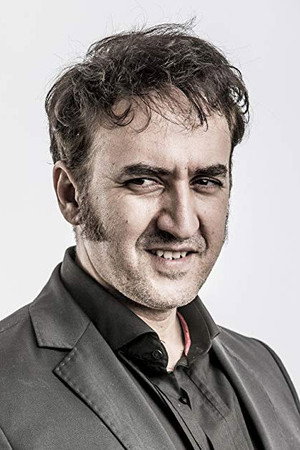
Abdellatif Chaouqi Movies, TV Shows, and Filmography

Abdellatif Chaouqi
Acting
Biography
No biography available.
Filmography Movies
Acting

Casablanca
Three friends form a gang of pirates, “Sea Burglars”, get assigned to a mission against the Mob, after a large cargo of diamonds was heisted. Things turn into a web of rivalries and paybacks, when one one of them decides to do the mission on his own and escape to Morocco.
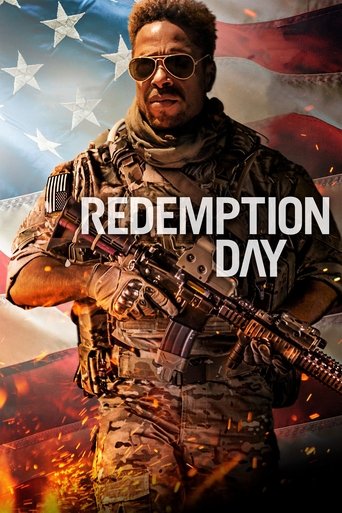
Redemption Day
When his wife is kidnapped by terrorists for ransom, veteran war hero Brad Paxton races against the clock to rescue her in a daring and deadly operation that pits him against powerful and dark forces.
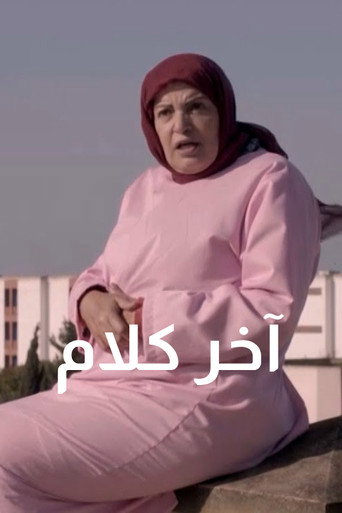
The Last Words
Nadia decided to end her life, so she climbed onto the roof of the psychiatric hospital where she’d been receiving treatment and threatened to jump if anyone approached—she had nothing left to lose. Hospital staff rushed to dissuade her, and Dr. Ibtisam faced the challenge of convincing this woman in her sixties, engulfed in despair, to step back from this dangerous brink. Drawing on all her experience, Dr. Ibtisam worked to restore Nadia’s trust and encourage her to open her heart and share her story.
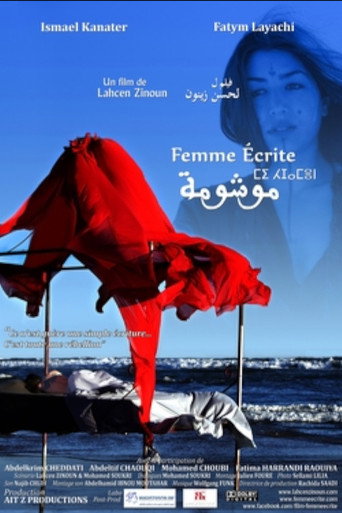
Femme écrite
Naïm, a renowned anthropologist, wants to make a film on beautiful Mririda, a Berber poet and courtesan who mesmerizes him. At the brothel where she used to go, Naïm is struck by the beauty, the sensuous tattoos of young prostitute Adjou. He immediately feels bound in his flesh and soul to Adjou, a kind of mirror image to Mririda. Adjou’s brutal murder triggers a police investigation. In his desperate search for truth, Naïm sways between a world of imagination and reality. Lazcen Zinoun is the conductor of a film composed like a five-movement opus framed by tribal rituals and practices like the mysterious, erotic tattooing of women. He sings the hymn of freedom for women to control their own bodies in a society still paralyzed by ancient codes. He films Fatym Layachi’s goddess-like body with the same poetry and lyricism as he does the sexual passion that enflames the lovers.
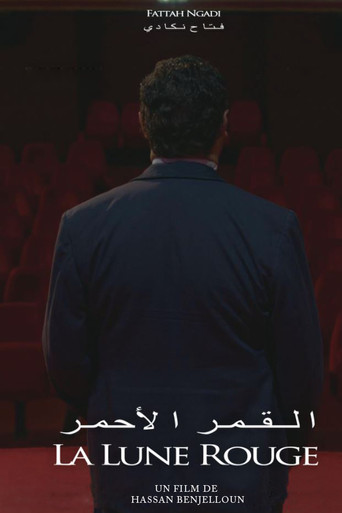
The Red Moon
The biography of Abdel Salam Amer, the blind Moroccan musician who believed in his talent and composed immortal songs in the history of Moroccan song.
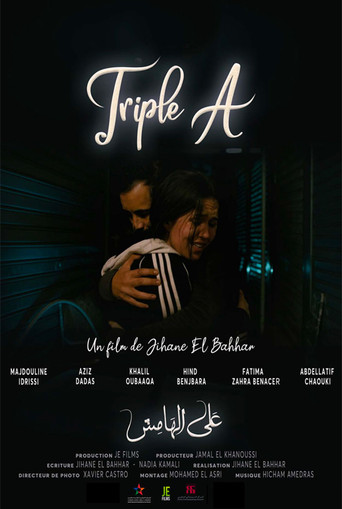
Triple A
Three love stories whose protagonists are neglected people whose destinies intersect in unexpected ways.
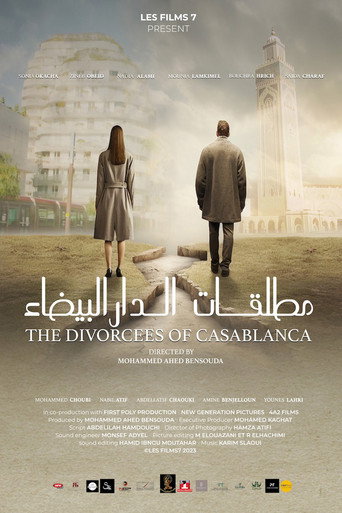
The Divorcees Of Casablanca
Five women from the great city of CASABLANCA, a source of economic, social, and civilizational progress. There are five divorced women from different social strata, and are professionally active in various fields. These women try to rebuild their lives, in an unequal society, dominated by prejudices against divorced women, and ignorance of the rules of law governing the status of women.
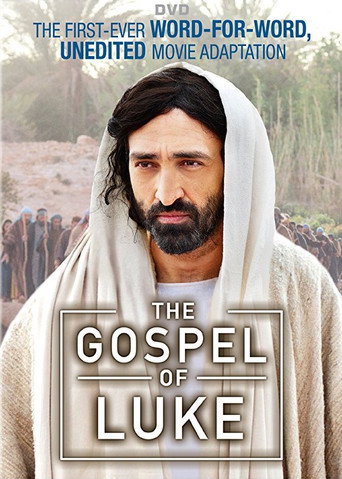
The Gospel of Luke
THE GOSPEL OF LUKE, more than any other, fits the category of ancient biography. Luke, as "narrator" of events, sees Jesus as the "Savior" of all people, always on the side of the needy and the deprived. Narrated in the NIV by British actor Richard E. Grant and in the KJV by Sir Derek Jacobi, this epic production featuring specially constructed sets and the authentic countryside of Morocco has been critically acclaimed by leading religious scholars as a unique and highly authentic telling of the Jesus story.
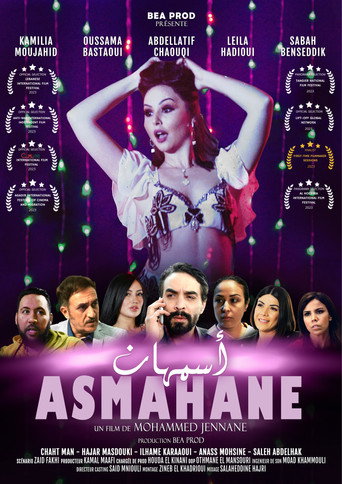
Asmahane
“Asmahane” recounts the story of a Lebanese girl who fled her country after losing her family to war, to become a belly dancer in Morocco, fitting in seamlessly into the north African country’s culture. The events take place in a scary Casablanca, where the main character, a Christian Lebanese woman, forges connections with Moroccans on her way to look for a better life.
The Birthday
During a reception organized on the occasion of Ghita's 44th anniversary, friends and family members of Said and Ghita will be confronted with unexpected events serious enough to provoke disturbing reactions, starting points of questioning the little material and emotional comforts by which all this little world was surrounded.
Gallery