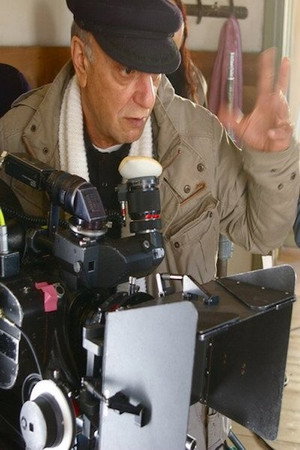
Abdellatif Ben Ammar Movies, TV Shows, and Filmography
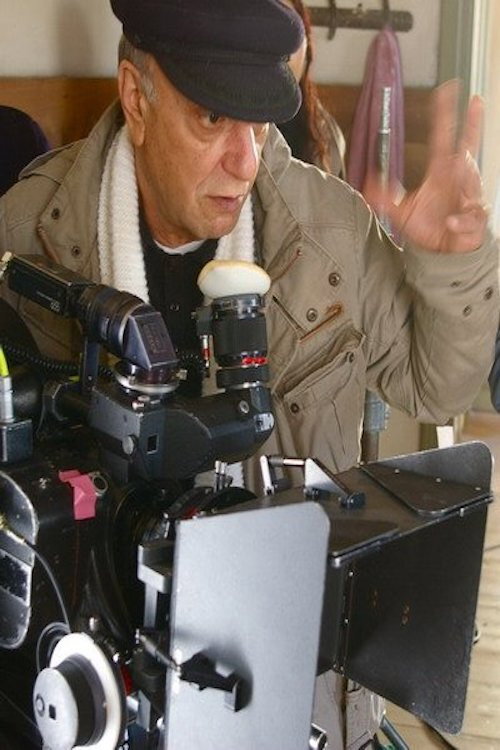
Abdellatif Ben Ammar
Directing
Biography
No biography available.
Filmography Movies

Production

A Simple Story
A documentary filmmaker goes to work on a project about Tunisians who have worked abroad. Many have married French women, and the couples try to adjust to France after many years in Tunisia. The man decides to forego the film in order to address the personal and social concerns of the people trying to cope in their new surroundings. This feature appeared at the 1970 Cannes Film Festival.
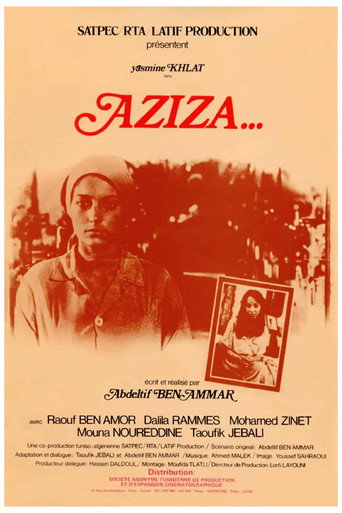
Aziza
Around 1980, in Tunisia, Si Béchir, an old craftsman, sold his house and left the medina of Tunis with his family to settle in a new city on the outskirts of the capital. With his son Ali and his niece Aziza, the old man discovers a new way of life in a Tunisia in full change. Aziza becomes friends with Aïcha, a young actress, while Ali continues to fail in his little businesses. The arrival of a sheikh from the Persian Gulf will fuel all the desires in the city, including those of Ali. But the dream is short-lived.
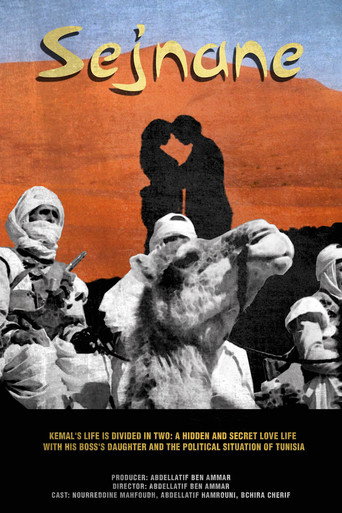
Sejnane
Kemal studies in the Sadiki boarding school. Since the death of his father who was murdered by a secret colonial organization, Kemal has doubts about the political situation of Tunisia.
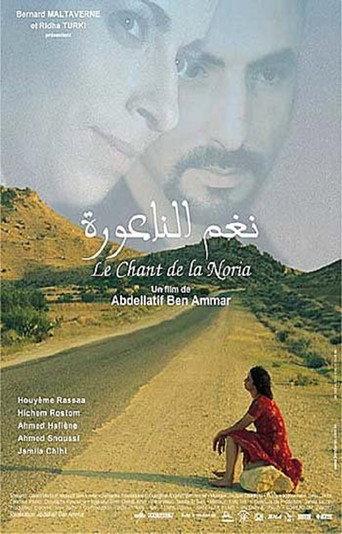
The Chant of Noria
Zeineb, thirty, is happy to divorce, she thinks it will be her door to freedom. Mhamed, an archaeologist, imagines that emigration will be his door to the future. His chance encounter with Zeineb, his first love, plunges him into dreams that oppose his plans. Ali, coming back from America, his head full of ideas and calculations, wants to shine at all costs. In an American convertible, the three go south to Metlaoui.

Les Palmiers Blessés
Bizerte, winter of 1991. The first Gulf War is brewing amid international tension. A Tunisian writer entrusts the typing of an autobiographical manuscript to a young girl, Chama, who is looking for work. Inspired by the book's content, young Chama feels the need to delve deeper into the events of the Bizerte War, especially since her father, a patriotic volunteer, lost his life there.
Aziza
Around 1980, in Tunisia, Si Béchir, an old craftsman, sold his house and left the medina of Tunis with his family to settle in a new city on the outskirts of the capital. With his son Ali and his niece Aziza, the old man discovers a new way of life in a Tunisia in full change. Aziza becomes friends with Aïcha, a young actress, while Ali continues to fail in his little businesses. The arrival of a sheikh from the Persian Gulf will fuel all the desires in the city, including those of Ali. But the dream is short-lived.
The Chant of Noria
Zeineb, thirty, is happy to divorce, she thinks it will be her door to freedom. Mhamed, an archaeologist, imagines that emigration will be his door to the future. His chance encounter with Zeineb, his first love, plunges him into dreams that oppose his plans. Ali, coming back from America, his head full of ideas and calculations, wants to shine at all costs. In an American convertible, the three go south to Metlaoui.

In the Footsteps of Baal
A short documentary capturing Fernando Arrabal at work on creating Viva la Muerte!
A Simple Story
A documentary filmmaker goes to work on a project about Tunisians who have worked abroad. Many have married French women, and the couples try to adjust to France after many years in Tunisia. The man decides to forego the film in order to address the personal and social concerns of the people trying to cope in their new surroundings. This feature appeared at the 1970 Cannes Film Festival.
Gallery