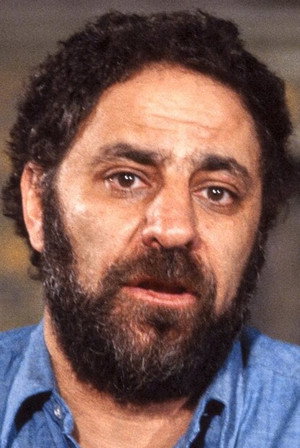
Abbie Hoffman Movies, TV Shows, and Filmography
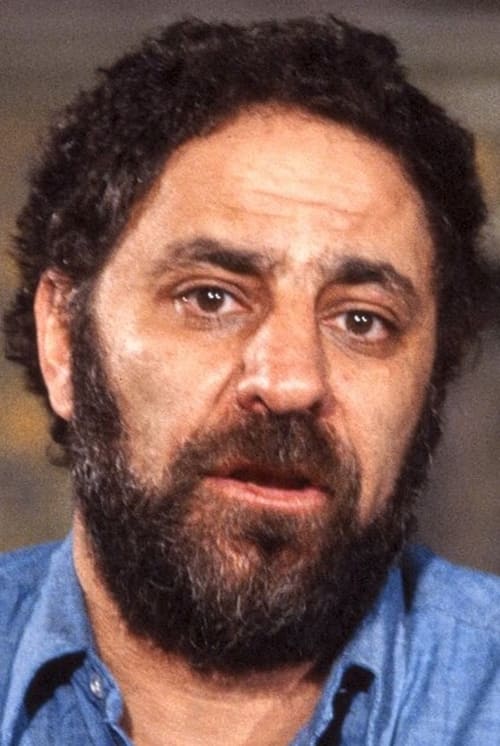
Abbie Hoffman
Acting
Biography
Abbot Howard Hoffman (November 30, 1936 – April 12, 1989) was an American political and social activist who co-founded the Youth International Party ("Yippies") and was a member of the Chicago Seven. He was also a leading proponent of the Flower Power movement. As a member of the Chicago Seven, Hoffman was charged with and tried―for activities during the 1968 Democratic National Convention―for conspiring to use interstate commerce with intent to incite a riot and crossing state lines with the intent to incite a riot under the anti-riot provisions of Title X of the Civil Rights Act of 1968. Five of the Chicago Seven defendants, including Hoffman, were convicted of crossing state lines with intent to incite a riot; all of the convictions were vacated after an appeal and the U.S. Department of Justice declined to pursue another trial. Hoffman, along with all of the defendants and their attorneys were also convicted and sentenced for contempt of court by the judge; these convictions were also vacated after an appeal. Hoffman continued his activism into the 1970s and remains an icon of the anti-Vietnam war movement and the counterculture era. He died by suicide with a phenobarbital overdose in 1989 at age 52. Description above from the Wikipedia article Abbie Hoffman, licensed under CC-BY-SA, full list of contributors on Wikipedia.
Filmography Movies
Acting
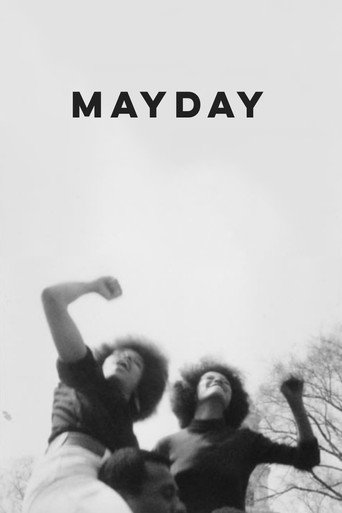
Mayday
In the spring of 1970, thousands of protesters descended on New Haven to demonstrate against the trial of Black Panther members for the murder of suspected FBI informant Alex Rackley. Led by radical luminaries Abbie Hoffman, Jerry Rubin, and Tom Hayden, the demonstrators converged on the New Haven Green to vent their anger and shut Yale down. Yale President Kingman Brewster commissioned a small group of Yale students to document the demonstrations, resulting in this 22-minute black-and-white film.
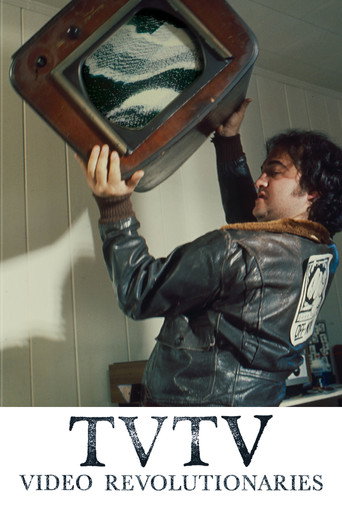
TVTV: Video Revolutionaries
A documentary about Top Value Television (TVTV), a band of merry video makers who, from 1972 to 1977, took the then brand-new portable video camera and went out to document the world.
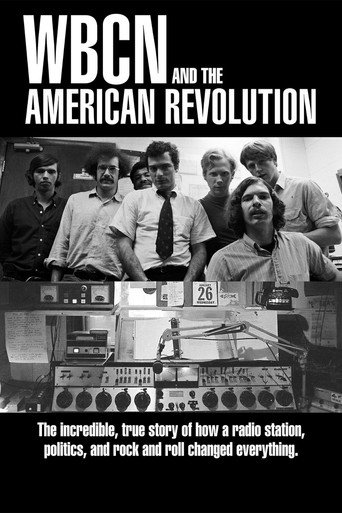
WBCN and the American Revolution
The amazing untold story of the radical underground radio station WBCN-FM set against the profound social, political and cultural changes of the late-1960s and early-70s, using the actual sights, sounds and stories of those who connected through the station, exploding music and countercultural scenes, militant anti-war and civil rights protests and emerging women’s and LGBTQ-liberation movements.
Heavy Petting
Celebrities and creatives -- including musician David Byrne, performance artist Spalding Gray, comedian Sandra Bernhard, radical activist Abbie Hoffman, and poet Allen Ginsberg-- recall their earliest sexual experiences.
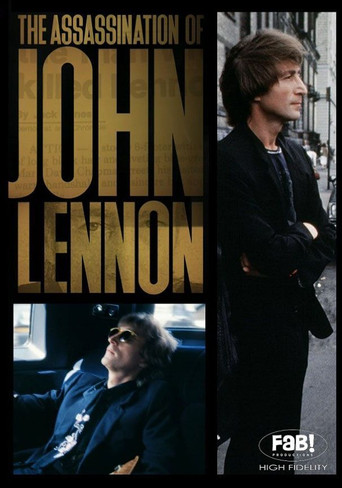
Jealous Guy: The Assassination of John Lennon
An exploration of the life and career of the Beatles superstar, with a look at the strange parallels between him and his killer Mark David Chapman.
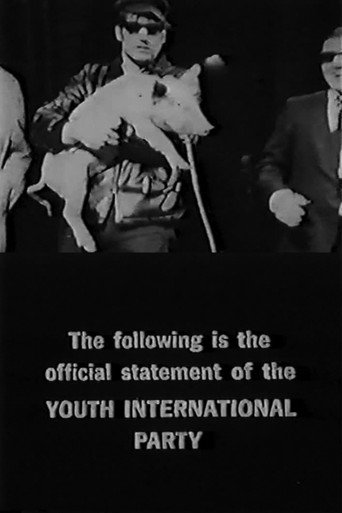
Yippie
The Youth International Party, whose members were commonly called Yippies, was a radically youth-oriented and countercultural revolutionary group opposed to war and the status quo of American culture. Known for using theatrics and humor to advocate social change, several Yippies were notably on trial as the Chicago 7. Primarily consisting of footage from the 1968 Democratic National Convention in Chicago which sparked massive demonstrations that were met by violence and hysteria caused by the police. This film also includes found newsreel footage as well as Pigasus - the pig the Yippies advanced as a candidate for President of the United States.
My Dinner with Abbie
Ex flower child goes looking for revolutionary hero and finds a brilliant no-quitter with a good appetite.
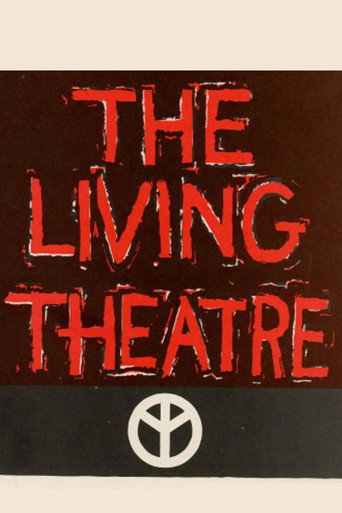
Emergency: The Living Theatre
a 32-minute color film by Gwen Brown, featuring precious footage of Living Theatre productions “Mysteries” and smaller pieces, “Paradise Now” and “Frankenstein.” “The fusion of Brown’s freewheeling direct cinema and the Living Theatre’s performance for revolutionary change (amidst the heydays of both) unite as a dynamic concoction of the era, yielding for the viewer a shifting terrain of both critical insight and ecstatic zeal, not as a vacant nostalgia for a pre-commodified radicality, but as tactical inspiration for future days.” – Andrew Wilson (Artist’s Access Television)
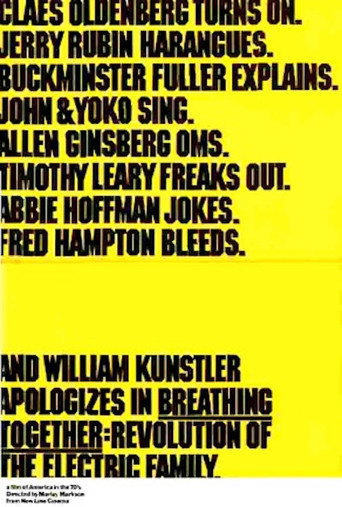
Breathing Together: Revolution of the Electric Family
The title of this Canadian documentary may have some relation to Canadian Marshall McLuhan's theories. It combines interview with famous U.S. militants of the '60s, such as Jerry Rubin and Abbie Hoffman, with reenactments of their Chicago trials (i.e., the "Chicago Eight," etc.). Other figures of cultural interest from the time, including Alan Ginsberg and Buckminster Fuller, are interviewed or featured. The filmmaker indicates his belief that powerful forces in the U.S. government worked together to suppress American radicals. This view, widely disbelieved at the time, has since been confirmed.
American Swing
Chronicles the rise and fall of 1970s New York City nightclub Plato's Retreat.
Production
Yippie
The Youth International Party, whose members were commonly called Yippies, was a radically youth-oriented and countercultural revolutionary group opposed to war and the status quo of American culture. Known for using theatrics and humor to advocate social change, several Yippies were notably on trial as the Chicago 7. Primarily consisting of footage from the 1968 Democratic National Convention in Chicago which sparked massive demonstrations that were met by violence and hysteria caused by the police. This film also includes found newsreel footage as well as Pigasus - the pig the Yippies advanced as a candidate for President of the United States.
The Yippie Response to Mayor Daley
In the wake of the demonstrations during the 1968 Democratic Convention in Chicago, the city produced a white wash entitled "What Trees Did They Plant?" TV Stations that broadcast the film had to offer equal time to those speaking in opposition. One group was the Youth International Party or Yippies who produced this film. Paul Krassner wrote the script. Some classic film footage was re-mixed with footage shot during the demonstrations.
Gallery