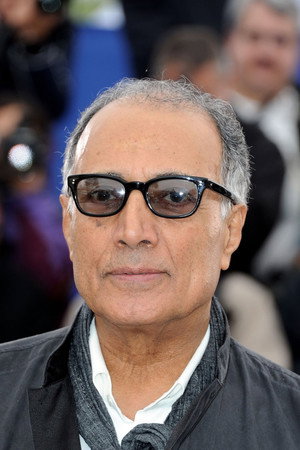
Abbas Kiarostami Movies, TV Shows, and Filmography

Abbas Kiarostami
Directing
Biography
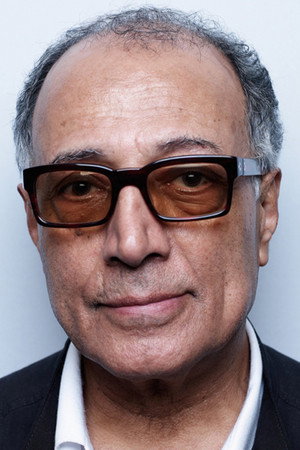
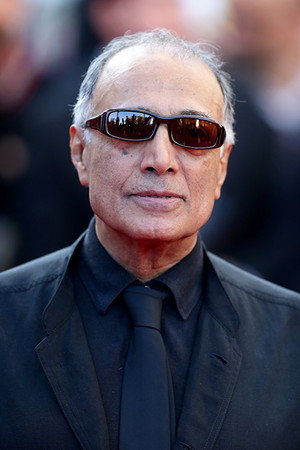
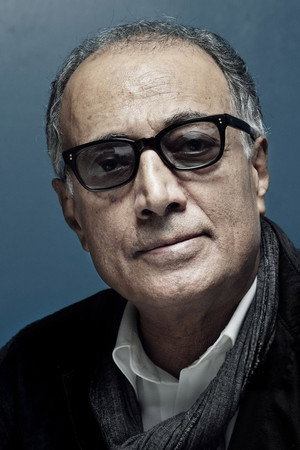
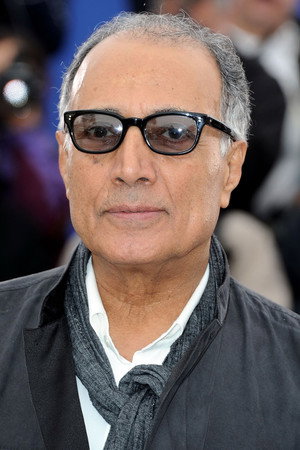
Abbas Kiarostami (Persian: عباس کیارستمی [ʔæbˌbɒːs kijɒːɾostæˈmi] ; June 22, 1940 – July 4, 2016) was an Iranian film director, screenwriter, poet, photographer, and film producer. An active filmmaker from 1970, Kiarostami had been involved in the production of over forty films, including shorts and documentaries. Kiarostami attained critical acclaim for directing the Koker trilogy (1987–1994), Close-Up (1990), The Wind Will Carry Us (1999), and Taste of Cherry (1997), which was awarded the Palme d'Or at the Cannes Film Festival that year. In later works, Certified Copy (2010) and Like Someone in Love (2012), he filmed for the first time outside Iran: in Italy and Japan, respectively. His films Where Is the Friend's Home? (1987), Close-Up, and The Wind Will Carry Us were ranked among the 100 best foreign films in a 2018 critics' poll by BBC Culture. Close-Up was also ranked one of the 50 greatest movies of all time in the famous decennial Sight & Sound poll conducted in 2012. Kiarostami had worked extensively as a screenwriter, film editor, art director, and producer and had designed credit titles and publicity material. He was also a poet, photographer, painter, illustrator, and graphic designer. He was part of a generation of filmmakers in the Iranian New Wave, a Persian cinema movement that started in the late 1960s and emphasized the use of poetic dialogue and allegorical storytelling dealing with political and philosophical issues. Kiarostami had a reputation for using child protagonists, for documentary-style narrative films, for stories that take place in rural villages, and for conversations that unfold inside cars, using stationary mounted cameras. He is also known for his use of Persian poetry in the dialogue, titles, and themes of his films. Kiarostami's films contain a notable degree of ambiguity, an unusual mixture of simplicity and complexity, and often a mix of fictional and documentary elements. The concepts of change and continuity, in addition to the themes of life and death, play a major role in Kiarostami's works. Description above from the Wikipedia article Abbas Kiarostami, licensed under CC-BY-SA, full list of contributors on Wikipedia.
Filmography Movies
Acting
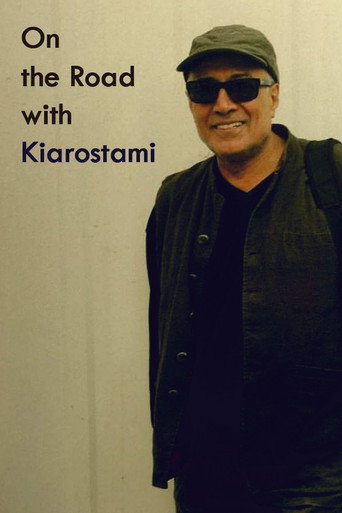
On the Road with Kiarostami
Abbas Kiarostami is the most acclaimed Iranian film director whose films have won prizes all around the world. In this film he gives a rare and frank interview about his work, and journeys out of Tehran to meet Babk Ahmadpoor the now grown up star of his famous trilogy which started with Where is the Friends House. On the journey Kiarostami picks up the camera himself, producing images of pure poetry.
Leech
Leeches a film by bahman kiarostami
Close-Up
This fiction-documentary hybrid uses a sensational real-life event—the arrest of a young man on charges that he fraudulently impersonated the well-known filmmaker Mohsen Makhmalbaf—as the basis for a stunning, multilayered investigation into movies, identity, artistic creation, and existence, in which the real people from the case play themselves.
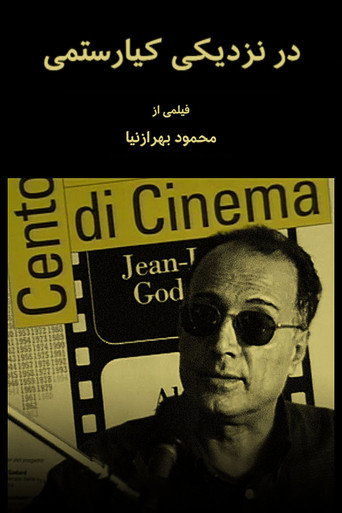
Kiarostami in Close up
A documentary that focuses on Abbas Kiarostami's cinematic philosophy talking to himself and other figures, and also seeks the opinion about his works both inside and outside his homeland.
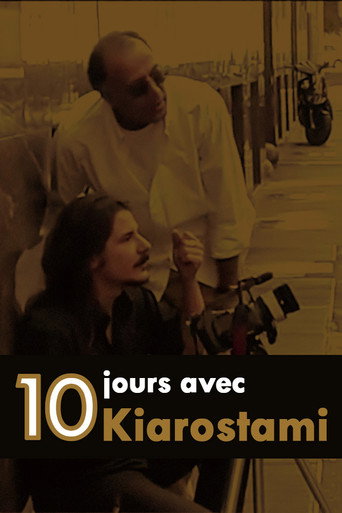
10 Days with Kiarostami
10 Days with Kiarostami
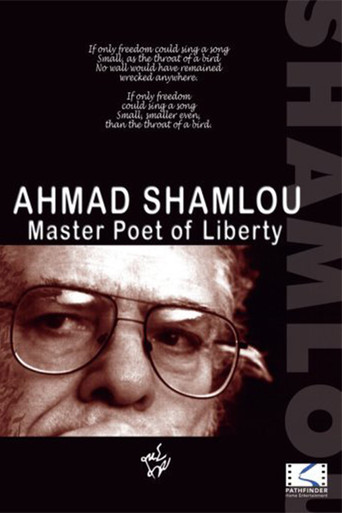
Ahmad Shamlou: Master Poet of Liberty
A documentary about the most important modern Iranian poet and intellectual icon. Iranian poet Ahmad Shamlou talks about his poetry, the world of poetry, and his life. Filmed over a two year period from 1996 to 1998.
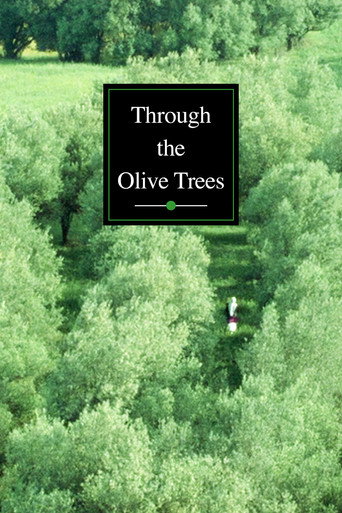
Through the Olive Trees
When the actor in a scene for his film Life And Nothing More… has to quit, a film director casts another man for the part. However, complications arise since the man and the woman who was cast for the scene know each other.

10 on Ten
"10 on Ten" is a 2004 Iranian documentary film directed by Abbas Kiarostami. It was screened in the Un Certain Regard section at the 2004 Cannes Film Festival. Looking to his own art for inspiration, Abbas Kiarostami reflects on his techniques of filming and how he taped certain sequences in "Ten" in 2001.
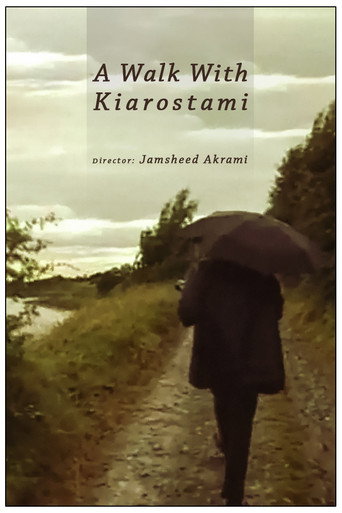
A Walk with Kiarostami
U.S.-based film professor Jamsheed Akrami talks to Iranian master Abbas Kiarostami in an inpromptu video interview, which offers a frank and funny view of Kiarostami rarely seen before.
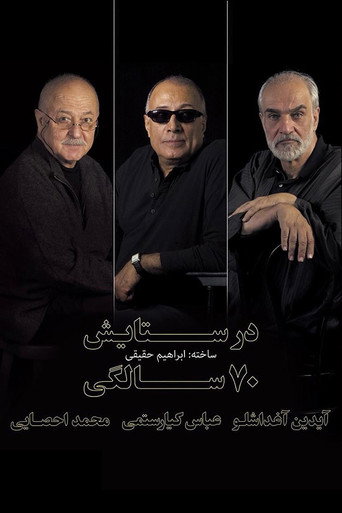
In Praise of the Seventy Years Old
This interview-based documentary is made on the occasion of the 70th birthday of Aydin Aghdashloo, Mohammad Ehsaei and Abbas Kiarostami, and deals with "aging" from the point of view of these three prominent friends and artists.
Production
Close-Up
This fiction-documentary hybrid uses a sensational real-life event—the arrest of a young man on charges that he fraudulently impersonated the well-known filmmaker Mohsen Makhmalbaf—as the basis for a stunning, multilayered investigation into movies, identity, artistic creation, and existence, in which the real people from the case play themselves.
Close-Up
This fiction-documentary hybrid uses a sensational real-life event—the arrest of a young man on charges that he fraudulently impersonated the well-known filmmaker Mohsen Makhmalbaf—as the basis for a stunning, multilayered investigation into movies, identity, artistic creation, and existence, in which the real people from the case play themselves.
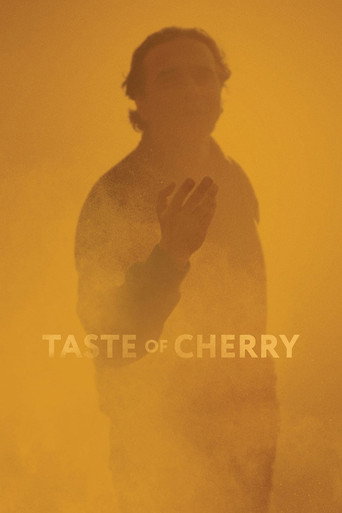
Taste of Cherry
A middle-aged Tehranian man, Mr. Badii is intent on killing himself and seeks someone to bury him after his demise. Driving around the city, the seemingly well-to-do Badii meets with numerous people, including a Muslim student, asking them to take on the job, but initially he has little luck. Eventually, Badii finds a man who is up for the task because he needs the money, but his new associate soon tries to talk him out of committing suicide.
Close-Up
This fiction-documentary hybrid uses a sensational real-life event—the arrest of a young man on charges that he fraudulently impersonated the well-known filmmaker Mohsen Makhmalbaf—as the basis for a stunning, multilayered investigation into movies, identity, artistic creation, and existence, in which the real people from the case play themselves.
Taste of Cherry
A middle-aged Tehranian man, Mr. Badii is intent on killing himself and seeks someone to bury him after his demise. Driving around the city, the seemingly well-to-do Badii meets with numerous people, including a Muslim student, asking them to take on the job, but initially he has little luck. Eventually, Badii finds a man who is up for the task because he needs the money, but his new associate soon tries to talk him out of committing suicide.
Taste of Cherry
A middle-aged Tehranian man, Mr. Badii is intent on killing himself and seeks someone to bury him after his demise. Driving around the city, the seemingly well-to-do Badii meets with numerous people, including a Muslim student, asking them to take on the job, but initially he has little luck. Eventually, Badii finds a man who is up for the task because he needs the money, but his new associate soon tries to talk him out of committing suicide.
Taste of Cherry
A middle-aged Tehranian man, Mr. Badii is intent on killing himself and seeks someone to bury him after his demise. Driving around the city, the seemingly well-to-do Badii meets with numerous people, including a Muslim student, asking them to take on the job, but initially he has little luck. Eventually, Badii finds a man who is up for the task because he needs the money, but his new associate soon tries to talk him out of committing suicide.
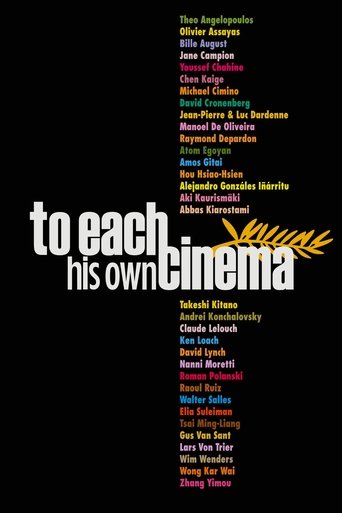
To Each His Own Cinema
Commissioned to mark the 60th anniversary of the Cannes Film Festival, "To Each His Own Cinema" brought together 33 of the world's pre-eminent filmmakers to produce short pieces exploring the multifarious facets of cinema and their perspective on the state of their chosen artform in the early 21st century.
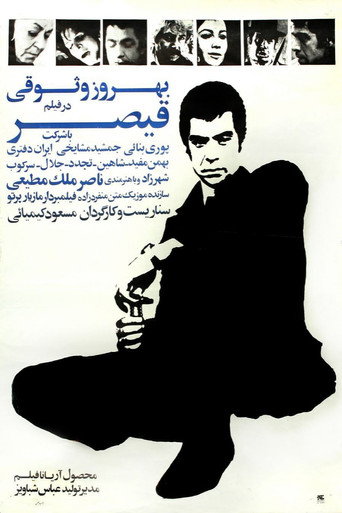
Qeysar
A young man's drive to avenge for his sister and brother.
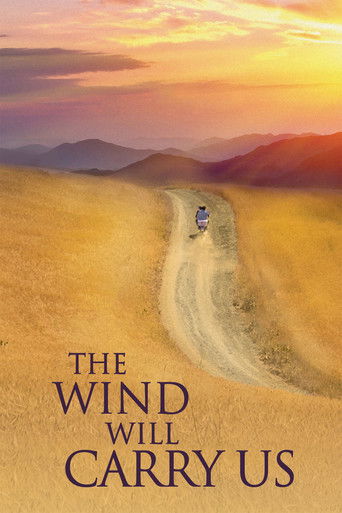
The Wind Will Carry Us
Irreverent city engineer Behzad comes to a rural Kurdish village in Iran to keep vigil for a dying relative. In the meanwhile the film follows his efforts to fit in with the local community and how he changes his own attitudes as a result.
Gallery