Aage Redal Movies, TV Shows, and Filmography
Aage Redal
Acting
Biography
No biography available.
Filmography Movies
Acting
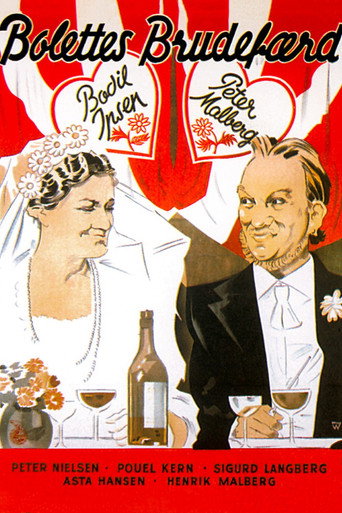
Bolettes Brudefærd
In a small Zealand village, where everything seems to be idyllic, lives the seamstress Bolette Jensen, a bold woman who has had her share of bitter experiences and is now feared for her sharp tongue. Bolette tends to speak her mind without mincing words, and since the truth is, as is well known, unheard of, she is not particularly liked by the parish authorities, the most prominent of whom is the parish council chairman Peter Enevoldsen. Bolette is given a serious task when the young, beautiful Sofie is about to have a baby, and Bolette immediately takes care of the unhappy girl and promises that she will probably walk up the aisle with her Karl.
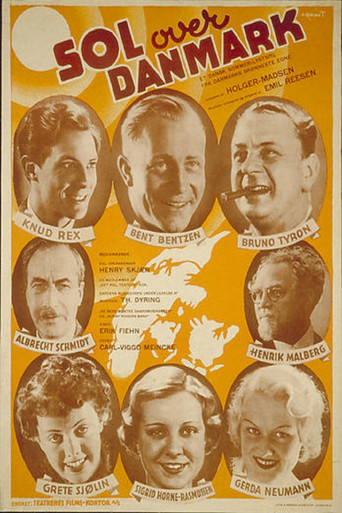
Sol over Danmark
It is always a big Copenhagen event when the guard parade pulls up, people crowd the sidewalk, and all the windows are occupied by curious onlookers, the spectators are delighted by the beautiful spectacle, but not fish exporter Hans Jacobsen, he is in the middle of a telephone conversation with Mrs. Petersen who owes him 500 kr. Jacobsen gives her 8 days to get the money. Poul Jacobsen's son does not understand that his father is so concerned about this, because tomorrow their vacation starts, as Poul says a wise old man has said "People have no idea how many things will sort themselves out, as long as you don't touch it, and take it easy, and don't lose your head" and he continues I have also agreed with Uncle Nicolai that we will come.
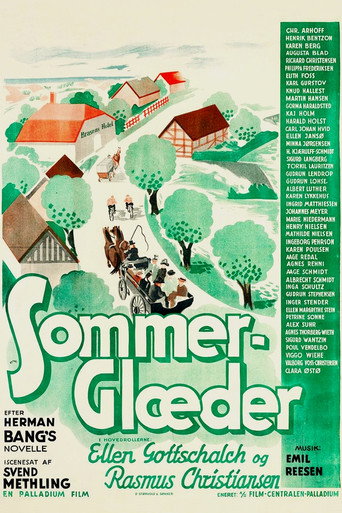
Sommerglæder
What might become the greatest challenge for the elderly Brasen couple having opened a summer guest house by the sea? Financial struggle or the sudden influx of demanding residents? Based on Herman Bang's short-story.
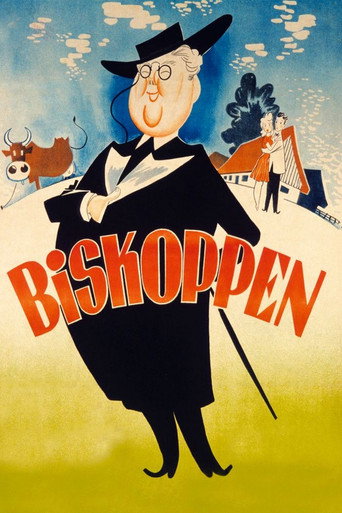
Biskoppen
The priest on Snarø, Adam Valerius, is a widower for three years, and the young ladies in the parish are queuing up to become the next priest's wife. But when Adam's single housekeeper suddenly becomes pregnant, the small community gets talking, and soon the bishop is summoned. By a twist of fate, the Copenhagen actor Emil Flor, who is on his way to the island, is mistaken for the bishop, and he gets into the role and elegantly resolves the conflict. But then the real bishop appears...
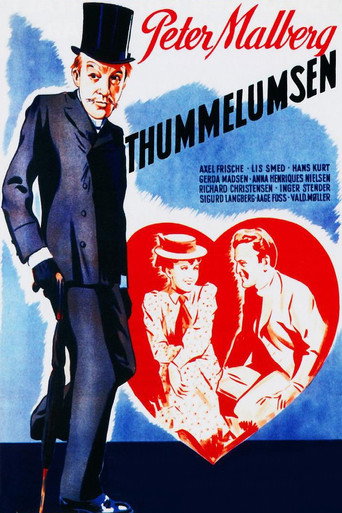
Thummelumsen
In the idyllic provincial town of Gammelkøbing lives Emanuel Thomsen, known as Thummelumsen. It is his great dream to buy the Møllegården, which was once owned by the family, and for 15 years he has been scrimping and saving to get by. In the meantime, he has been followed by several hopeful female glances, because even though Thummelumsen is no Adonis, he is full of energy. And when one day he wins 12,500 kroner in the lottery, everything seems to be going well. But then the bag is shaken once again...
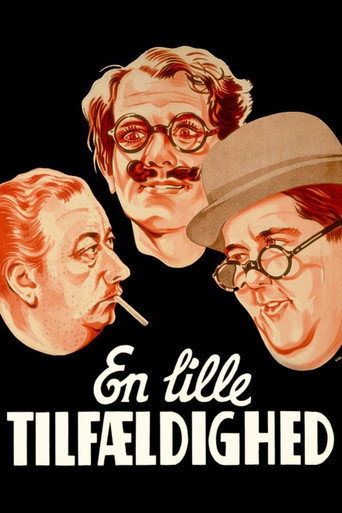
En lille Tilfældighed
The young folk singer Peter Jespersen has returned from abroad and is now without a contract. He approaches director Andresen of the Alhambra Theatre, but is rejected, and Peter understands from the conversation that it will be important for him to get an impresario who can take care of the business for him. He approaches the theatre agents Bang and Mathisen, whose motto is: "If you have the talent, we will get you the contract".
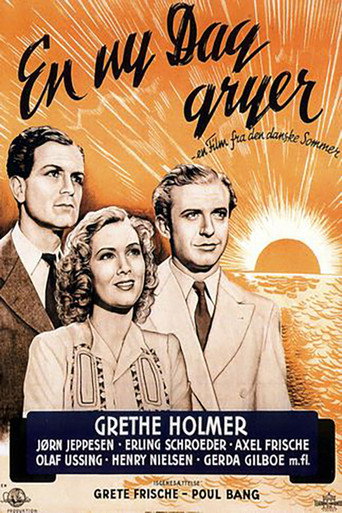
En ny dag gryer
Honor, morality and the "right" outlook on life are paramount. And these concepts were by no means something to be made fun of, which can be somewhat annoying when you remember that this film is based on the English play "Bank Holiday", which took a good English fart on virtues and morality. Inger Holst is a nursing student who, at a party, meets the unreal Jørgen Frandsen, who invites her to a "festive night" one weekend at a hotel in Tisvilde. However, a tragic incident occurs at the hospital where she works. The incident involves the young widower, engineer Berg, whom she has come to know as a fine, real and sympathetic person. Inger's compassion makes her offer to give up her weekend trip and stay with him.
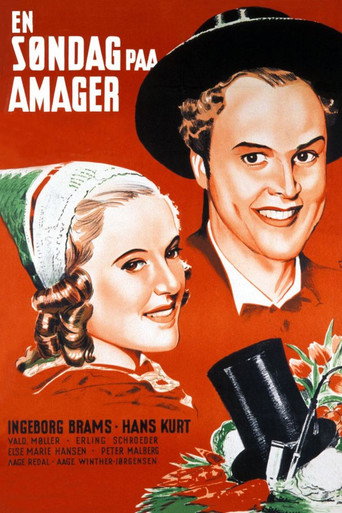
En søndag paa Amager
In 1516, King Christian II, on the advice of his Dutch-born mother Sigbrit, summoned 80 members from Holland and let them settle in St. Magleby and the surrounding area with the obligation that they would "supply Copenhagen Castle with the necessary roots and onions". Later, these skilled gardeners mixed with the other inhabitants of the island, almost all of whom adopted their customs and traditions, as well as their peculiar folk costumes.
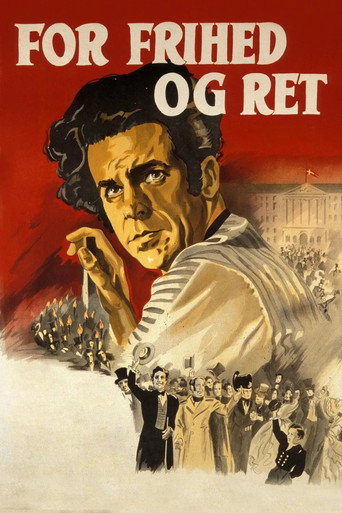
For freedom and justice
A picture of the life of the Danish people from the late 1820s to the introduction of the free constitution in 1849. A fictional character, Rasmus Nielsen, travels around the country, first as a traveling teacher, later in other positions, and through his experiences we are introduced to the conditions of various population groups. The central figure in the portrayal of historical figures is the politician Orla Lehmann.
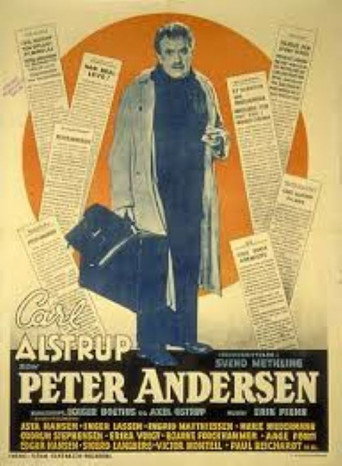
Peter Andersen
Peter Andersen is an agent. Neither a wholesaler nor a representative, but simply an agent. Unlike his wife, he has no honorable ambitions. He is an honest, peaceful and self-sufficient person who has dragged his whole life like a draft ox, whipped forward by a boss who constantly demands results, and by a family who still demands money for pleasures.